

 русский
 عربى
عربى
Industry News
Home / News / Industry News / CNC Vertical Machining Center Buyer's Guide: Key Specs and Selection Tips
CNC Vertical Machining Center Buyer's Guide: Key Specs and Selection Tips
 2026.09.02
 Industry News
Two shops order vertical machining centers on the same day. One shops for a single family of aluminum housings; the other plans mold work plus a mix of plastic injection parts. Six months later, one shop is quoting faster lead times and the other is fighting spindle vibration. Both machines look similar on a datasheet. The difference comes down to how each machine matches its shop's actual workload, not to the brand name on the casting.
Content
- 1 What Is a CNC Vertical Machining Center?
- 2 What a VMC Does Well and Where It Falls Short
- 3 Which VMC Specifications Matter Most in Practice
- 4 Matching a VMC to Your Production Scenario
- 5 The True Cost of Owning a VMC
- 6 How to Choose the Right VMC from New Era Technology
- 7 Choosing the Right VMC: Quick Decision Guide
- 8 VMC Maintenance and Long-Term Performance
- 9 Frequently Asked Questions About CNC Vertical Machining Centers
- 9.1 Q1: What is a CNC vertical machining center used for?
- 9.2 Q2: What is the difference between VMC and HMC?
- 9.3 Q3: What are the main advantages of a VMC?
- 9.4 Q4: How do I choose the right VMC for my shop?
- 9.5 Q5: What maintenance does a VMC require?
- 9.6 Q6: What is the most common reason VMC accuracy drifts over time?
What Is a CNC Vertical Machining Center?
Definition That Matters on the Floor
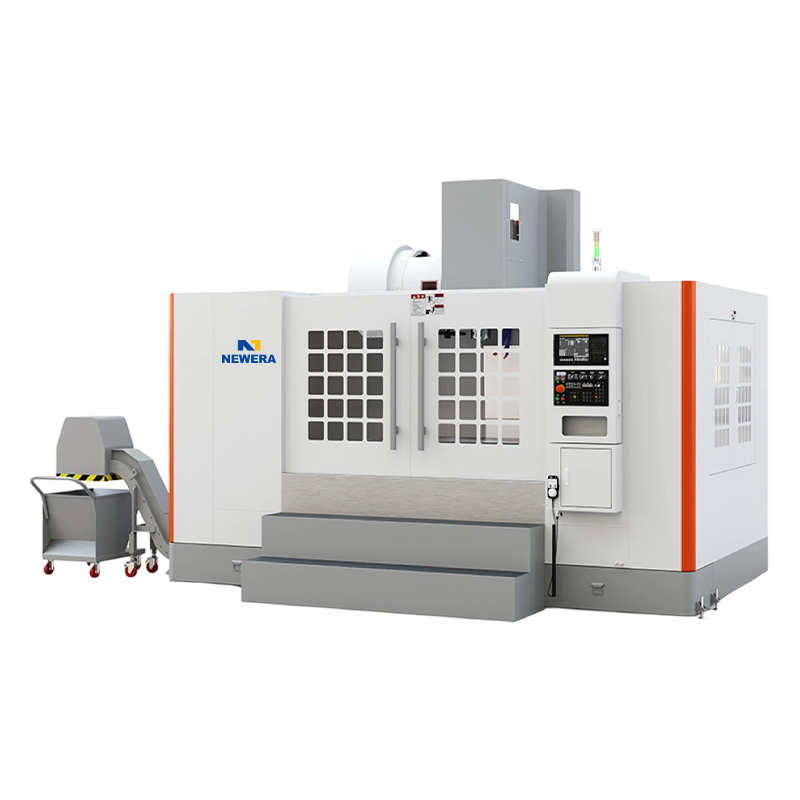
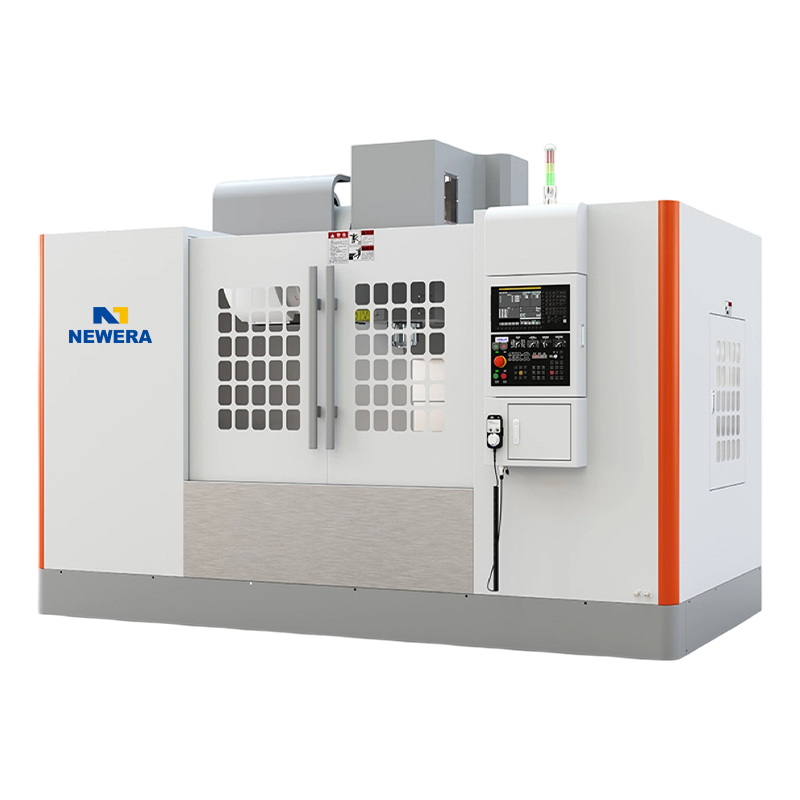
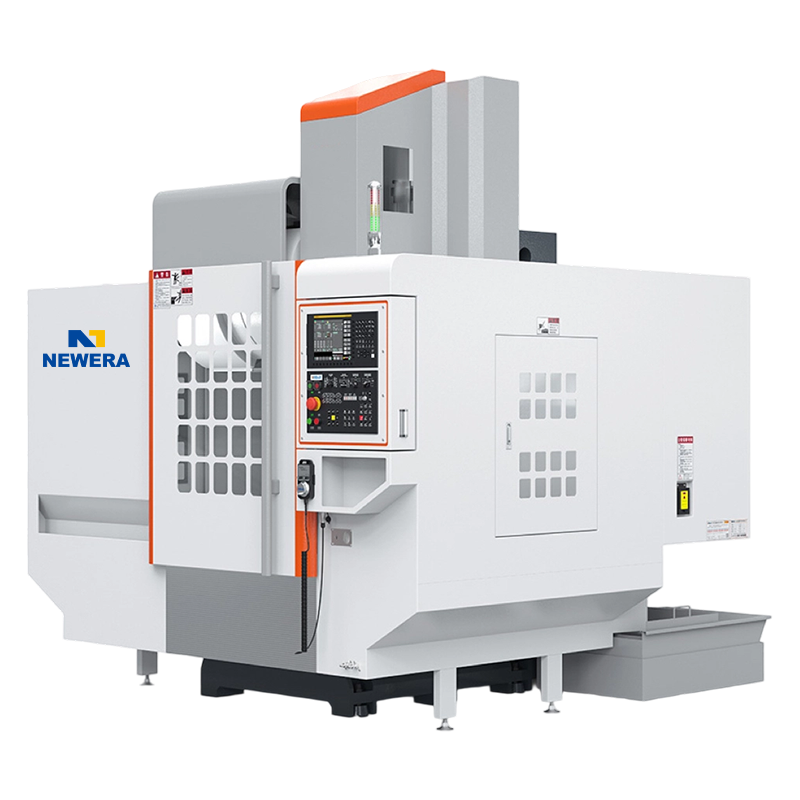
A CNC vertical machining center is a milling machine with a spindle oriented vertically, perpendicular to the worktable. The workpiece gets clamped to a T-slot table, and the spindle removes metal while moving along X, Y, and Z axes. This is the classic configuration for plate-like parts, dies, fixtures, and small-to-medium housings.
The vertical design works well for many shops because chips fall out of the cutting zone, coolant drains naturally, and the operator can see the cut without bending around the machine. That visibility alone helps with first-part inspection and troubleshooting.
Standard Components on Most VMCs
- A vertical spindle driven by a belt or direct-drive motor
- A T-slot table with up to 1,270 mm or more of X-axis travel
- An automatic tool changer, commonly with 12 to 24 tools
- A CNC controller that coordinates the linear axes
- Optional 4th-axis rotary table for multi-face work
What a VMC Does Well and Where It Falls Short
Conclusion first: For flat parts, molds, and most compact housings, a VMC is the least expensive route to precise, repeatable metal removal.
Vertical machining centers are efficient when workpieces stay clamped on the table surface. The vertical spindle makes tool changes predictable, clamping is straightforward, and setups are faster for one-off prototypes and small batches. Gravity works in your favor: chips drop straight down instead of accumulating around the tool.
When you compare this setup against a horizontal machining center, the difference becomes clear. A VMC is your best choice for parts that sit flat. HMCs win when you need to machine multiple faces of a heavy box while keeping the part stationary. Before placing an order, read this comparison of VMC and HMC so the machine geometry matches the part family you run.
One limitation to remember: if you machine large cubes that require four or five faces in one fixturing, the VMC will force you to interrupt the cycle and reposition. That downtime eats into the cost advantage you gain upfront.
Which VMC Specifications Matter Most in Practice
Conclusion first: Do not start with brand or price. Start with the three numbers that decide whether your parts fit: X-axis travel, spindle speed and torque, and maximum table load.
Axis travel defines the largest workpiece envelope you can handle. If you machine a 300×200×150 mm aluminum enclosure, an 850×500×500 mm machine is enough. But if your production line runs 1,200 mm extrusion profiles, you need a model with longer X travel. Paying for excess travel that stays unused is money tied up in thermal mass you will never exploit.
Spindle behavior is the next filter. High RPM at low torque works for aluminum. Mold and steel work demands torque lower in the curve. A belt-driven spindle is simpler to maintain; a direct-drive spindle delivers better surface finish at higher speeds. Ask specifically where the machine generates its torque band.
Repeatability matters more than absolute positioning accuracy for most job shops. Absolute accuracy tells you where the machine goes; repeatability tells you whether it goes there every time. For day-to-day tolerance holding, repeatability in the ±5 μm range is a practical target.
Before you sign a purchase order, run through this checklist of questions to ask before buying a VMC, including thermal compensation, controller compatibility, and availability of spare parts.
Matching a VMC to Your Production Scenario
Conclusion first: Batch size, part shape, and material hardness determine which VMC class you need more than any marketing specification does.
If your shop runs 200 aluminum brackets per month and two mold cavities per month, those jobs are not the same machine. The brackets want speed and inexpensive tooling; the molds want stiffness and fine finishing capability. A mid-range VMC with a direct-drive spindle and a 20-tool magazine can cover both without over-investing.
For high-volume automotive work, look at cycle time. Each second saved on a 90-second operation can add up to meaningful output by the end of a shift. For mold work, you want a machine that holds surface finish under constant cutting load, not one that only sprints through air passes.
According to industry surveys, VMC adoption clusters around mold and die, automotive parts, general machining, aerospace, and electronics. Each segment emphasizes a different specification first.
VMC Application Areas by Industry Share
Mold & Die 30%
Automotive 25%
General Machining 20%
Aerospace 15%
Electronics 10%
The True Cost of Owning a VMC
Conclusion first: The purchase price is only the part you can negotiate. Lifetime cost hides in installation, tooling, downtime, and energy.
Installation is a common surprise. Some heavy-cutting VMCs need a reinforced foundation because the machine's own mass and cutting forces demand a rigid floor. A poorly leveled machine will lose calibration quickly. Ask the manufacturer for foundation drawings before you commit to a layout.
Tooling and fixturing are the next budget line. A basic spindle with a 24-tool magazine needs toolholders, collets, and a presetter to be useful. For shops starting from scratch, that tooling package can represent a significant addition to the machine's purchase price.
Energy consumption also varies by configuration. A larger spindle and a cabinet air conditioner raise the load even when the machine is idle. If your factory runs day shifts only, that difference can appear in the utility bill every month.
Maintenance is where the real cost difference shows. Spindle bearings, linear guide lubrication, and ball screw backlash all need attention on a schedule. A cheaper machine that is down for one week can cost more than the price difference if it stops a production line with a customer deadline.
How to Choose the Right VMC from New Era Technology
Conclusion first: New Era Technology offers a complete vertical machining center range from economy to heavy-duty cutting, so the decision becomes about matching a series to your parts rather than about hunting for a compatible production floor.
For small factories that machine aluminum and mild steel in modest batches, the economical EV series delivers full VMC function without excess overhead. The EV850 and EV1060 models are designed for shops that want a straightforward machine with a compact footprint.
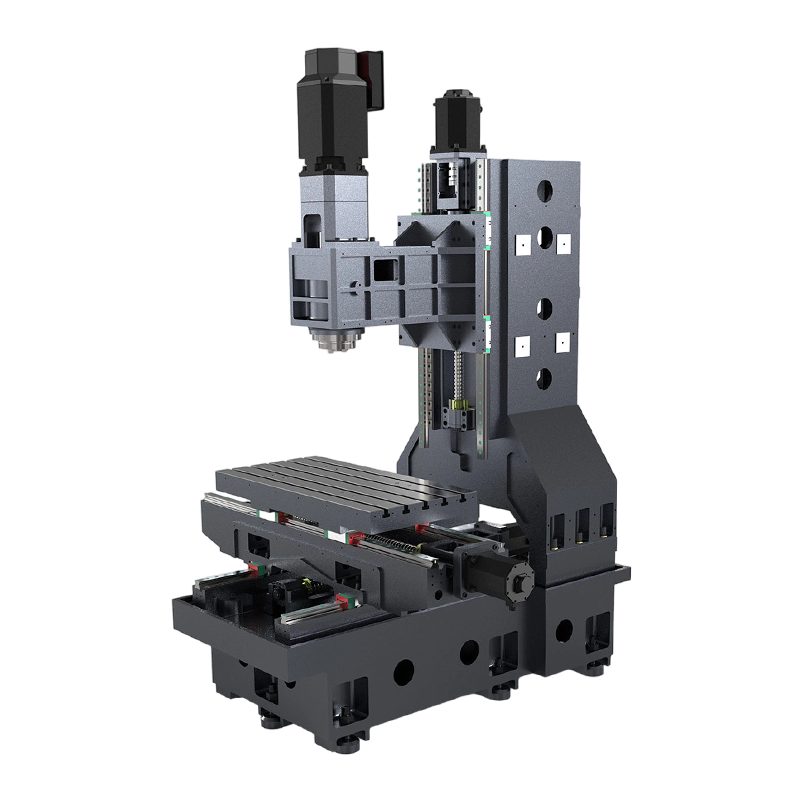 EV850 Economic Vertical Machining Center for Small Batch ProductionDesigned for shops machining aluminum and mild steel in modest batches, the EV850 offers full VMC functionality with a compact footprint and easy maintenance access, making it a practical choice for cost-conscious operations.View Product →
Mold shops and aerospace suppliers need a different balance. The high-performance VF series provides stronger spindle response, better finishes, and the kind of rigidity that supports hardened steel cutting and long-contour finishing passes. If you run difficult materials all day, this is the class where your tolerance drift is most likely to show up first in the part, not in the machine.
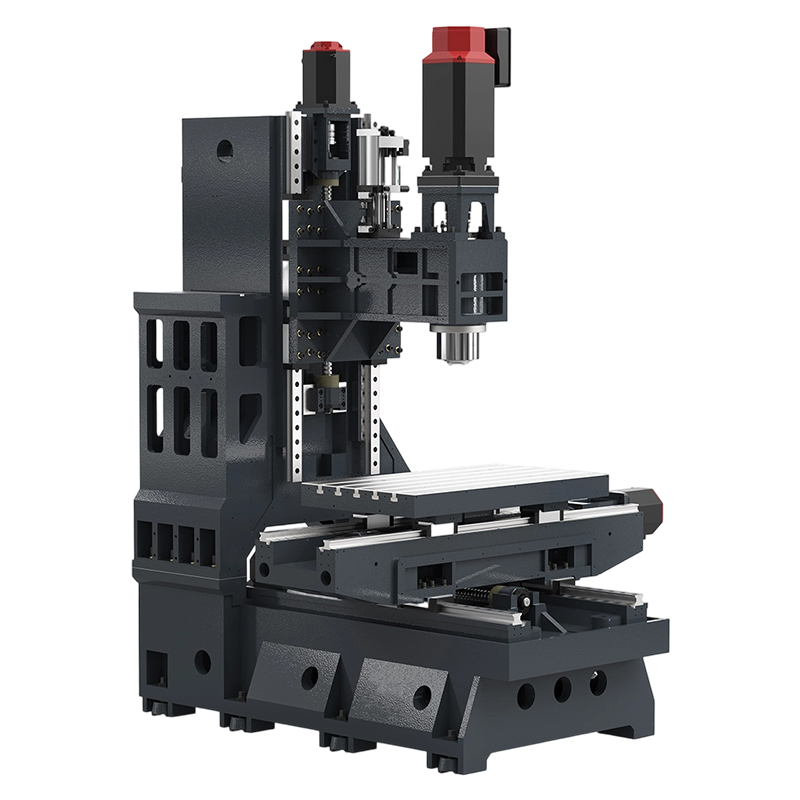 VF85 High Performance VMC for Hardened Steel and FinishingIdeal for mold and aerospace work, the VF85 provides enhanced spindle response and rigidity for hardened steel cutting and long finishing passes, helping maintain tight tolerances even in demanding materials.View Product →
For long extrusions, rail frames, or large mold bases, look at the large-stroke series. The V127L extends X-axis travel significantly without sacrificing the compact vertical footprint, which means you can keep long parts inside the envelope while still moving them onto the shop floor normally.
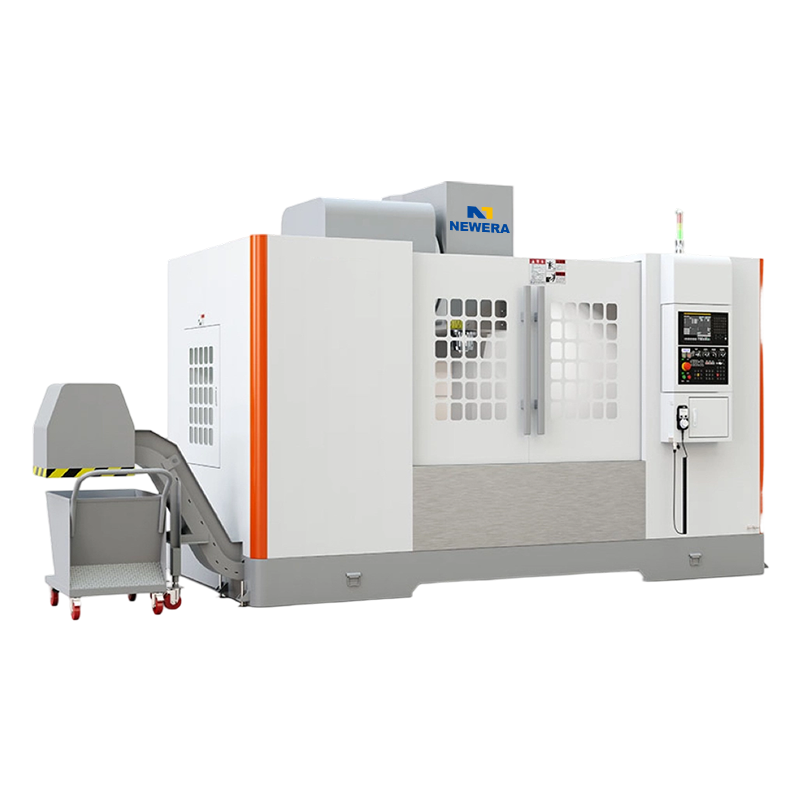
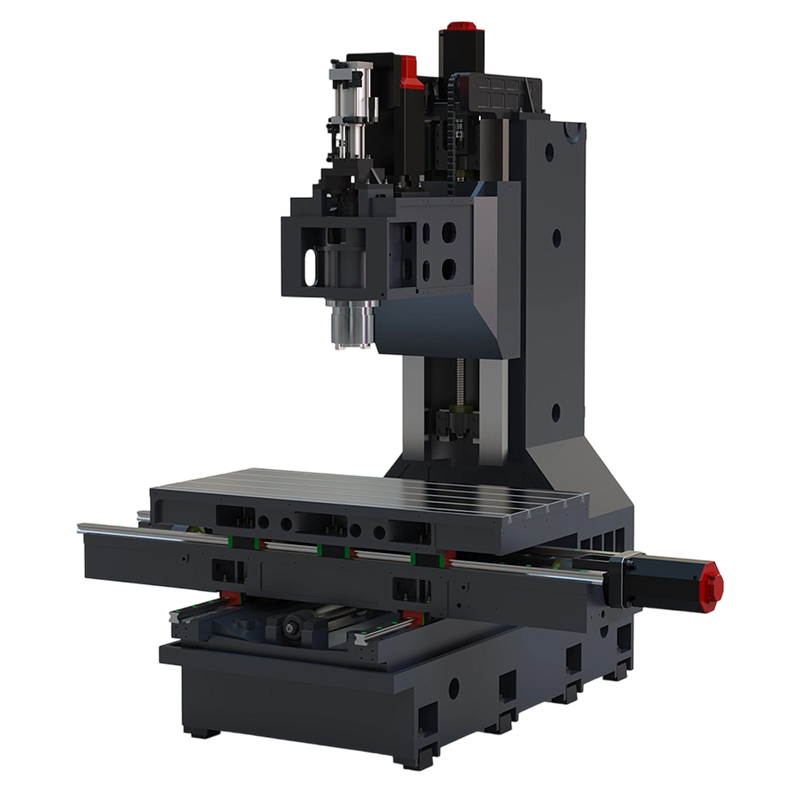 V127L Large Stroke VMC for Long Extrusions and Mold BasesWith extended X-axis travel, the V127L accommodates long parts without sacrificing vertical compactness, simplifying handling and allowing efficient machining of rail frames, extrusions, and large mold bases.View Product →
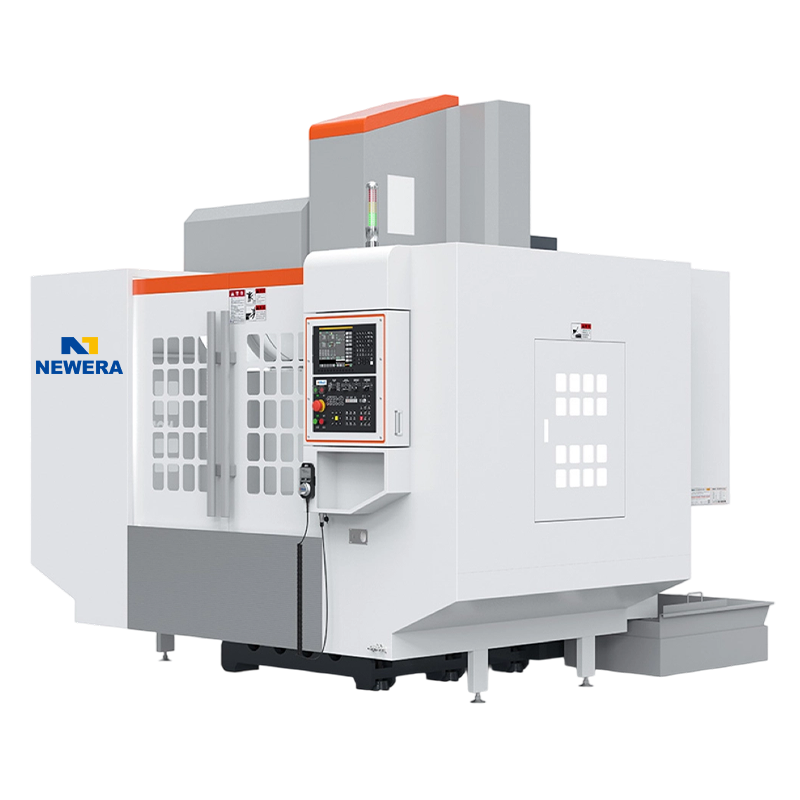
Y-axis four-way machines, such as the V138L and V158F, add rigidity for heavy milling forces and large molds. If your parts require deep cuts on thick steel, this class gives you the support needed to remove metal without chatter.
Choosing the Right VMC: Quick Decision Guide
Conclusion first: Match the machine series to your typical part family, not to the largest part you have ever machined once.
Write down your top five workpieces. For each, record the envelope size, material, batch quantity, and required tolerance. Then compare against the table below. This simple exercise filters out more wrong purchases than any demo day.
| VMC Series | Primary Strengths | Best Fit Applications |
|---|---|---|
| EV850 / EV1060 | Compact, economical, easy operation | Aluminum parts, brackets, small batches |
| VF85 / VF116 | Higher spindle response, faster contours | Mold cavities, hardened steel, aerospace |
| V127L / VF138 | Extended X-axis travel, large table area | Long extrusions, rail frames, large plates |
| V138L / V158F | Four Y-axis ways, heavy-duty rigidity | Large molds, deep cuts, strong milling loads |
VMC Maintenance and Long-Term Performance
Conclusion first: A VMC that gets daily cleaning and monthly calibration holds its tolerance for years; one that is ignored loses it quickly.
Keep the spindle taper clean and wiped after every shift. Chips left near the taper can transfer to the toolholder and cause runout, which directly affects surface finish and hole diameter. The same applies to the machine's linear guides, which need regular lubrication according to the manufacturer's interval.
Preventive checks on ball screws and servo gains should happen at least quarterly. Many shops find that a simple laser calibration check once or twice a year catches thermal drift and axis misalignment before it produces scrapped parts. Small care steps cost little; worn spindle bearings are expensive to replace quietly.
Frequently Asked Questions About CNC Vertical Machining Centers
Q1: What is a CNC vertical machining center used for?
A VMC is used for milling, drilling, tapping, and contouring on flat or short parts, including molds, fixtures, and housings. It is a general-purpose metal cutting machine for small to medium workpieces.
Q2: What is the difference between VMC and HMC?
A VMC has a vertical spindle and works best on parts clamped flat on a table. An HMC has a horizontal spindle and suits large boxes or multi-face parts where machining all sides in one setup is a priority.
Q3: What are the main advantages of a VMC?
Lower cost compared to HMCs, better chip removal due to gravity, easier setup and part visibility, and lower maintenance complexity. These make it a strong fit for job shops and tool rooms.
Q4: How do I choose the right VMC for my shop?
Start with part size, batch volume, material hardness, and your tolerance range. Then match axis travel, spindle speed, table load, and tool magazine capacity to those requirements.
Q5: What maintenance does a VMC require?
Daily cleaning of the spindle taper and table T-slots, regular guide lubrication, periodic ball screw checks, and annual laser calibration for positioning accuracy.
Q6: What is the most common reason VMC accuracy drifts over time?
Thermal expansion is the leading cause. Changes in room temperature or long continuous cutting heat the machine body. Spindle thermal compensation is the feature that keeps accuracy stable during the day.
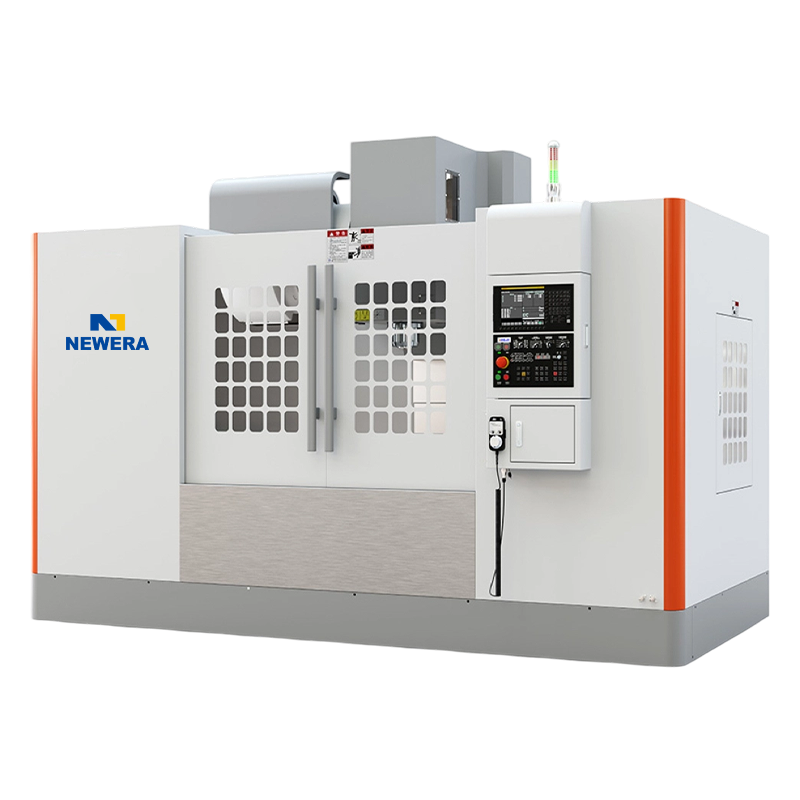
If you are interested in our products, please consult us.
CONTACT DETAILS
Nantong New Era Technology Co., LTD
- Five-star Industrial Park, Chongchuan District, Nantong City, Jiangsu Province, China
- TEL:+86-19851302688
- E-Mail: [email protected]
Products
Quick link
Mobile terminal
