

 русский
 عربى
عربى
Industry News
VMC vs HMC: Which Machining Center Is Right for Your Business?
 2026.07.16
 Industry News
Content
- 1 VMC vs HMC: A Direct Answer for Choosing the Right Machining Center
- 2 What a Vertical Machining Center Does and How It Is Built
- 3 What a Horizontal Machining Center Does and How It Differs
- 4 Structural Differences Between VMC and HMC at a Glance
- 5 Capability Comparison: VMC and HMC Side by Side
- 6 Industries and Applications for Vertical Machining Center Equipment
- 7 Materials a Vertical Machining Center Can Process
- 8 How to Decide Between a VMC and an HMC for Your Production Needs
- 9 Demand Patterns for Compact and High Speed VMC Machines
- 10 VMC Machine Lifespan and Maintenance Considerations
- 11 OEM and Custom Vertical Machining Center Solutions
- 12 About Our Vertical Machining Center Manufacturing Background
- 13 Frequently Asked Questions
VMC vs HMC: A Direct Answer for Choosing the Right Machining Center
A vertical machining center generally fits businesses running smaller batches, prototype heavy work, and parts machined mostly from one or two faces, while a horizontal machining center fits higher volume production of box shaped parts that need several faces machined without repositioning. The right choice usually comes down to part geometry, batch size, and available floor space rather than one machine being suitable for every shop.
This guide walks through how a VMC machine is built and used, how it compares structurally and functionally with a horizontal machining center, which industries and materials it handles well, how to think through a purchase decision, and what buyers commonly ask before placing an order. Data visuals throughout are illustrative comparisons meant to support decision making, not exact industry statistics.
Quick reference points covered in this article:
- How a vertical machining center is built and what it is used for
- Key structural and functional differences between VMC and HMC equipment
- Industries, applications, and materials suited to VMC machining
- A practical framework for deciding between the two machine types
- OEM and custom vertical machining center sourcing options
What a Vertical Machining Center Does and How It Is Built
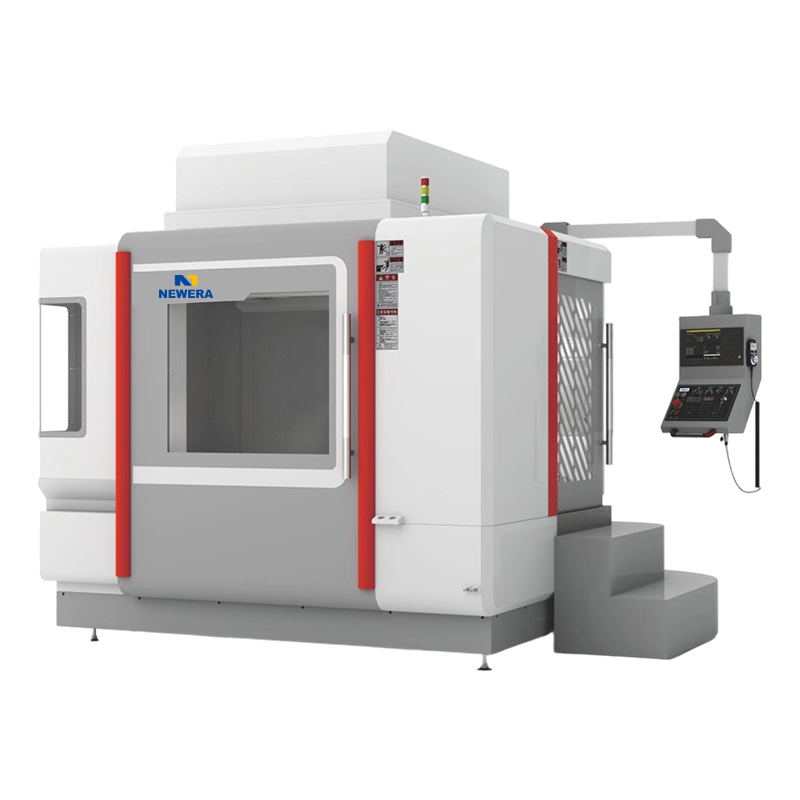
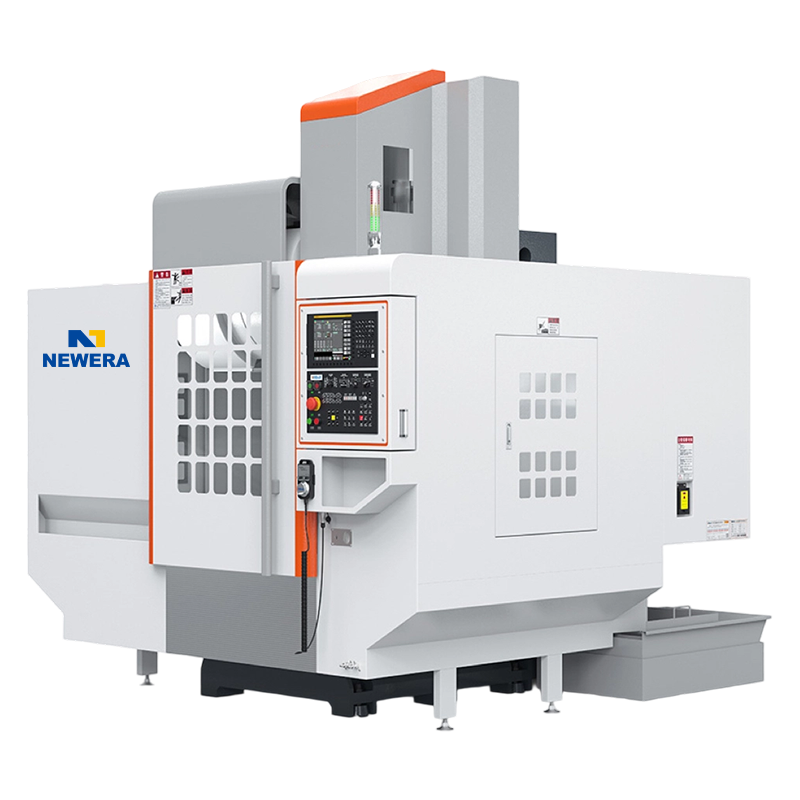
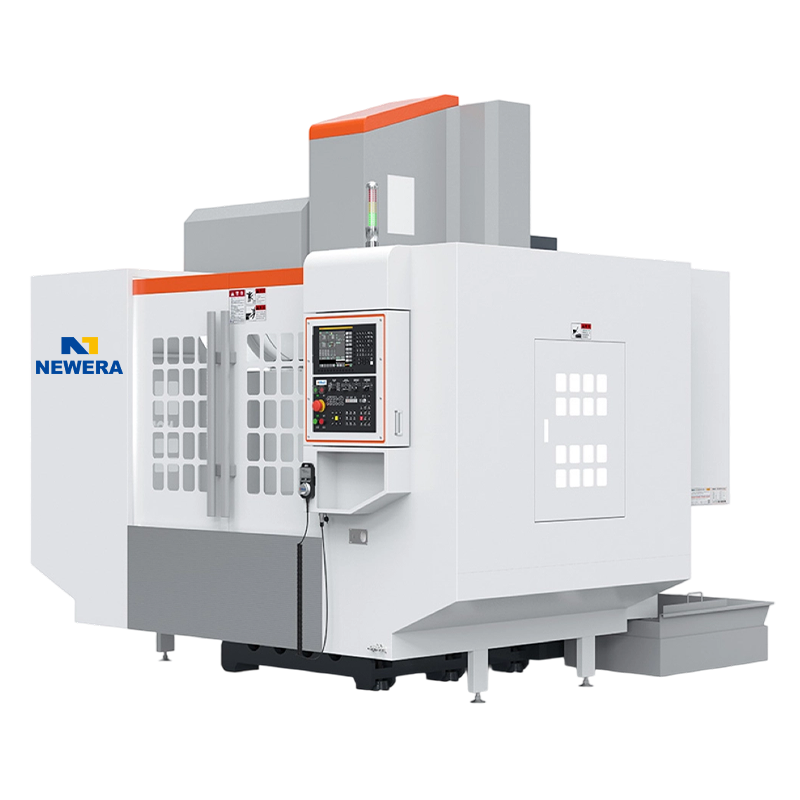
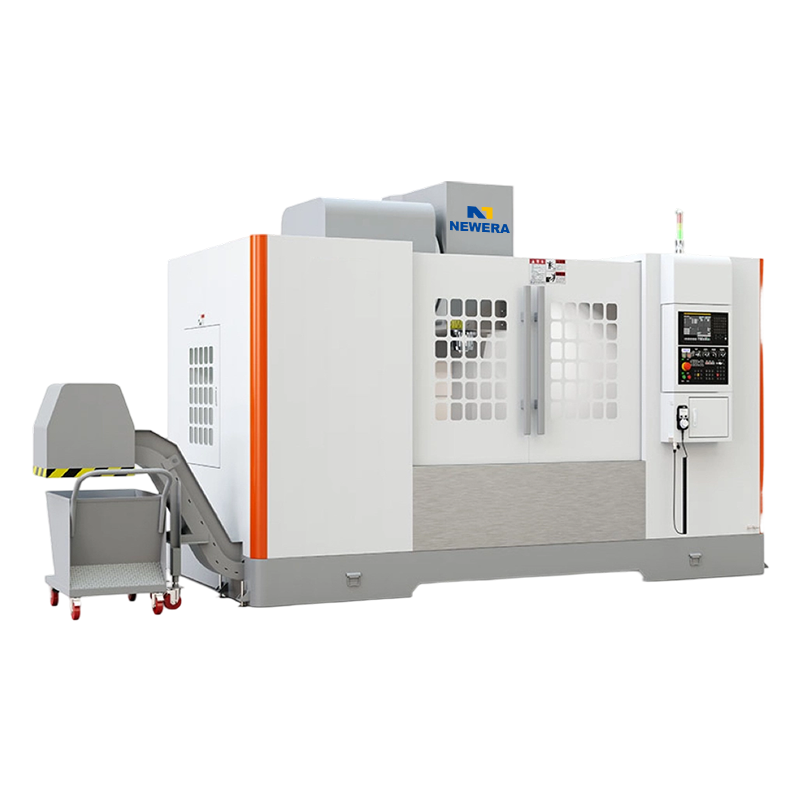
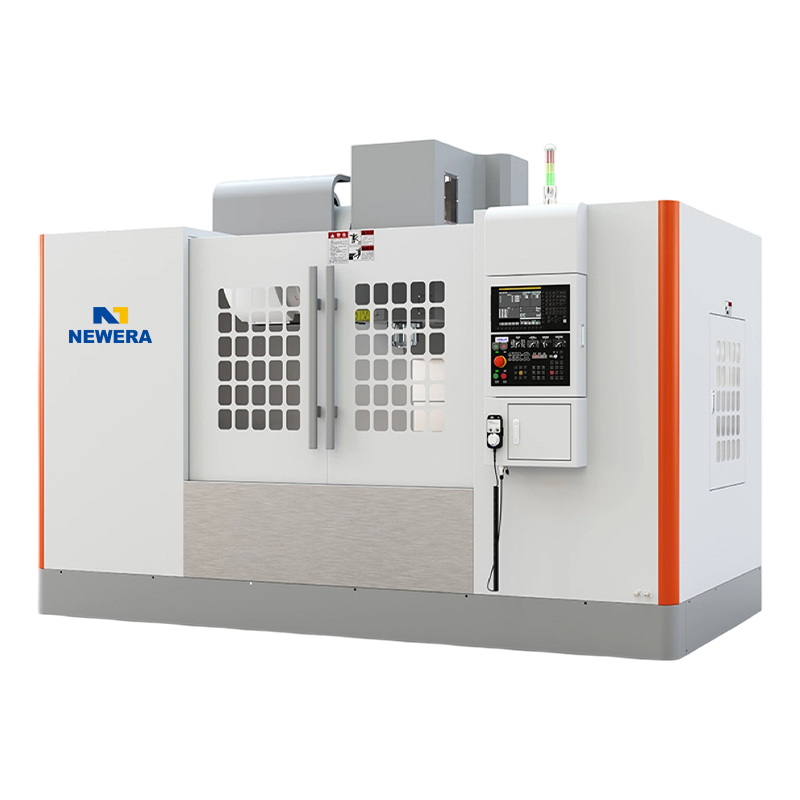
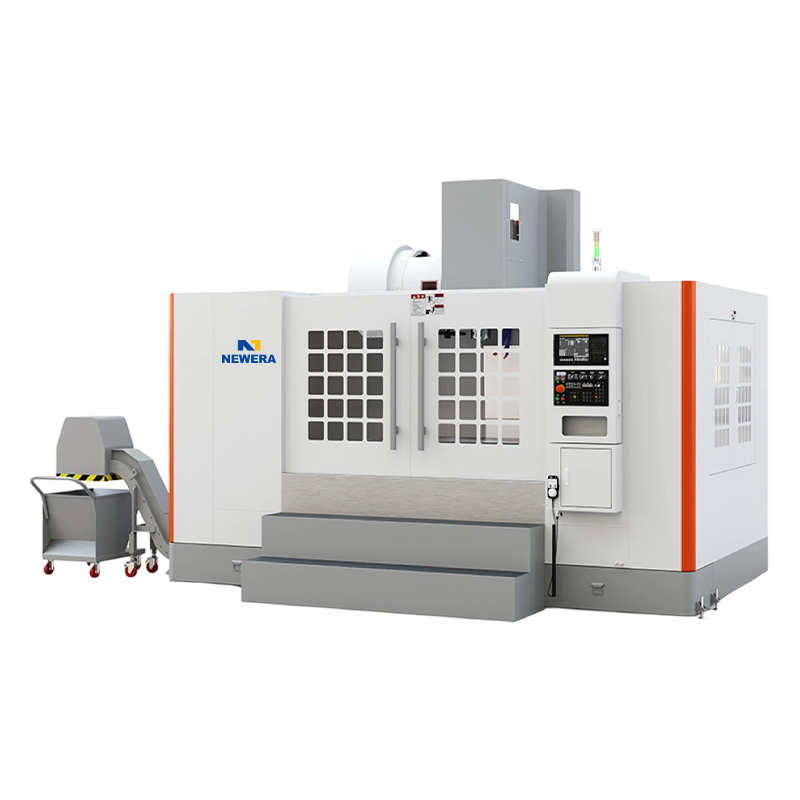
A vertical machining center holds its spindle in an upright position directly above the worktable, so the cutting tool moves down into a stationary or table mounted workpiece. This layout gives an operator a clear view of the cutting zone, which is one reason a VMC machine is often the first CNC platform a shop adds when moving away from manual milling.
Core Operations a VMC Machine Performs
A vertical machining center is commonly used for milling, drilling, tapping, boring, and general precision parts manufacturing. Automatic tool changers allow the machine to move between these operations within a single setup, and an enclosed work area helps keep coolant and chips contained during longer unattended cycles.
Common construction features found on most VMC platforms include a fixed or moving column, a three axis or four axis travel configuration, and a tool magazine sized anywhere from a small carousel to a larger chain style changer depending on the part variety a shop expects to run.
What a Horizontal Machining Center Does and How It Differs
A horizontal machining center mounts its spindle so the tool axis runs parallel to the floor, cutting into the side of a workpiece that is usually held on a rotating pallet. This orientation lets chips fall away from the cutting zone by gravity rather than collecting around the tool, which supports longer unattended running on harder materials.
Pallet Changing and Multi Face Access
Most horizontal machining centers include a pallet changer, so a finished part can be swapped for a new blank while the spindle continues cutting on another pallet. Combined with a rotary table, this setup allows several faces of a box shaped part to be machined in one program without the operator repositioning the fixture by hand.
Structural Differences Between VMC and HMC at a Glance
The table below summarizes the practical differences buyers usually compare before selecting between a vertical machining center vs horizontal machining center for a new production line.
| Factor | Vertical Machining Center | Horizontal Machining Center |
|---|---|---|
| Spindle orientation | Vertical, above the table | Horizontal, parallel to the floor |
| Typical floor space | Smaller footprint | Larger footprint |
| Multi face machining | Usually needs repositioning | Handled through pallet indexing |
| Chip evacuation | Chips can settle on the part | Chips fall away by gravity |
| Best suited batch size | Small to medium batches | Medium to high volume batches |
Capability Comparison: VMC and HMC Side by Side
The radar chart below places both machine types across five practical dimensions, so the trade offs are easier to see at a glance rather than reading through a long list of specifications.
Illustrative comparison, vertical machining center in solid blue against horizontal machining center in light blue
Industries and Applications for Vertical Machining Center Equipment
Vertical machining center equipment is used across a wide range of manufacturing settings, wherever repeatable tolerances and flexible tooling matter more than sheer part volume. Common industries include automotive, aerospace, medical equipment, mold manufacturing, and electronics, each relying on a VMC machine for different reasons, from prototype development to finished component runs.
Materials a Vertical Machining Center Can Process
A vertical machining center can process a broad range of metals, with spindle speed, feed rate, and tooling selected according to the hardness and heat sensitivity of each material. Commonly machined materials include aluminum, steel, stainless steel, and titanium, with aluminum generally allowing the fastest cycle times and titanium requiring more conservative speeds due to heat buildup at the cutting edge.
Illustrative index out of 100, for general planning reference only
How to Decide Between a VMC and an HMC for Your Production Needs
A short internal checklist can make the VMC versus HMC decision more straightforward, especially for a shop weighing its first major machining center purchase.
- Review typical part shape, since flat or prismatic parts generally suit a vertical machining center while box shaped parts often suit a horizontal layout
- Estimate batch size and how much unattended running time the shop expects to schedule overnight or across shifts
- Measure available floor space, since a compact VMC machine for precision machining often fits smaller shop layouts more easily
- Consider how many faces of the part need machining, since repeated repositioning adds setup time on a vertical platform
- Factor in tooling and fixture budget, since pallet based systems generally require more fixture investment upfront
Many shops start with a vertical machining center for its flexibility across varied part types, then add a horizontal platform once volume on box shaped components grows enough to justify the additional floor space and fixturing.
Demand Patterns for Compact and High Speed VMC Machines
Interest in smaller footprint, faster spindle equipment has generally trended upward across recent years, as more shops look to fit additional capacity into existing floor space rather than expanding their building footprint.
Illustrative index for general reference, not a cited market study
VMC Machine Lifespan and Maintenance Considerations
VMC machine lifespan generally spans many years of production use when maintenance schedules are followed consistently, though actual service life depends on daily run time, spindle load, and how well the machine is kept clear of chips and coolant residue.
Practices That Support a Longer Service Life
- Regular spindle lubrication and bearing checks according to the manufacturer schedule
- Periodic way and ballscrew cleaning to prevent debris from affecting positioning accuracy
- Coolant system maintenance, since contaminated coolant can accelerate wear on guideways
- Scheduled geometric alignment checks to catch drift before it affects part tolerances
Shops that log maintenance activity and track spindle hours tend to catch early wear signs sooner, which helps keep a vertical machining center running within its expected tolerance range for longer.
OEM and Custom Vertical Machining Center Solutions
Vertical Machining Center Manufacturer Capabilities
A vertical machining center manufacturer that supports configuration changes at the design stage gives buyers more flexibility than selecting from a fixed catalogue alone. This can include adjustments to table size, spindle speed range, tool magazine capacity, and control panel layout to match how a shop plans to run the equipment.
OEM Vertical Machining Center Supplier and Custom Options
An OEM vertical machining center supplier arrangement typically follows a buyer's stated specification closely, while a custom vertical machining center project may start from an existing base model and adjust travel range, automation features, or enclosure design. Buyers looking for an affordable vertical machining center option often begin with a simpler three axis configuration and add automation later as production volume grows.
Shops with limited floor space frequently ask about a compact VMC machine for precision machining, while shops running larger batches on softer metals often look toward a high speed VMC machine configuration to reduce cycle time per part. Across both cases, an industrial CNC machining center platform is generally selected based on the part mix a shop expects to run over its planning horizon rather than a single feature alone.
About Our Vertical Machining Center Manufacturing Background
Nantong New Era Technology Co., LTD has worked on the development, design, and production of numerical control machines and CNC machine tools for more than 20 years, with a team spanning technology development, manufacturing, and sales support. Production experience across this period covers both OEM vertical machining center manufacturing and ODM VMC machine development, supported by a manufacturing setup that handles machine production and mounting under one operation.
Ongoing development work draws on advancements in machine tool design from both domestic and international sources, which has shaped a manufacturing setup capable of handling varied VMC machine configurations for different production environments.
Frequently Asked Questions
-
Q1: What is a vertical machining center used for?
A: A vertical machining center is used for milling, drilling, tapping, boring, and general precision parts manufacturing, thanks to its vertical spindle orientation and clear access to the work surface.
-
Q2: What industries use VMC machines?
A: VMC machines are widely used across automotive, aerospace, medical equipment, mold manufacturing, and electronics production, wherever repeatable tolerances are needed.
-
Q3: What is the difference between VMC and HMC?
A: In a vertical machining center vs horizontal machining center comparison, the main difference is spindle orientation, which affects part shape suitability, chip evacuation, and floor space needs.
-
Q4: How long does a VMC machine last?
A: VMC machine lifespan generally spans many years of production use when maintenance schedules are followed, though actual service life depends on run time, spindle load, and upkeep habits.
-
Q5: What materials can a vertical machining center machine?
A: A vertical machining center can machine aluminum, steel, stainless steel, and titanium, with spindle speed and tooling adjusted to suit each material.
-
Q6: How much does a VMC machine cost?
A: CNC machining center price varies with table size, spindle power, automation features, and tooling packages, so most buyers request a configuration based quotation rather than relying on a single reference figure.
If you are interested in our products, please consult us.
CONTACT DETAILS
Nantong New Era Technology Co., LTD
- Five-star Industrial Park, Chongchuan District, Nantong City, Jiangsu Province, China
- TEL:+86-19851302688
- E-Mail: [email protected]
Products
Quick link
Mobile terminal
