

 русский
 عربى
عربى
Industry News
CNC Sinker EDM Machine Selection Guide
 2026.07.23
 Industry News
Selection Guide
Content
- 1 What Is a Sinker EDM Machine
- 2 How EDM Die Sinking Works
- 3 Materials Commonly Machined With Sinker EDM
- 4 Electrode Material Usage on a Die Sinker Machine
- 5 Sinker EDM Compared With Wire EDM and CNC Milling
- 6 Material Removal Rate by Discharge Current Setting
- 7 Typical Surface Finish by Machining Stage
- 8 Machine Class and Specification Reference
- 9 Typical Die Sinking EDM Production Workflow
- 10 Where Sinker EDM Machines Are Used
- 11 Choosing a Die Sinking EDM Machine Manufacturer
- 12 Manufacturing Background
- 13 What to Check Before Buying a Die Sinker Machine
- 14 Frequently Asked Questions
- 14.1 Q1. What is a sinker EDM machine
- 14.2 Q2. How does EDM die sinking work
- 14.3 Q3. What is die sinking EDM
- 14.4 Q4. What is ram EDM
- 14.5 Q5. What materials can EDM machine
- 14.6 Q6. Can EDM machine hardened steel
- 14.7 Q7. Can EDM machine titanium
- 14.8 Q8. Can EDM cut carbide
- 14.9 Q9. How accurate is EDM machining
- 14.10 Q10. What surface finish can EDM achieve
What Is a Sinker EDM Machine
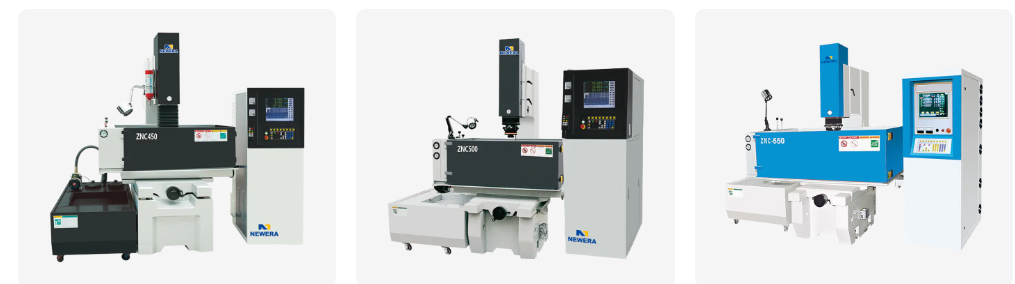
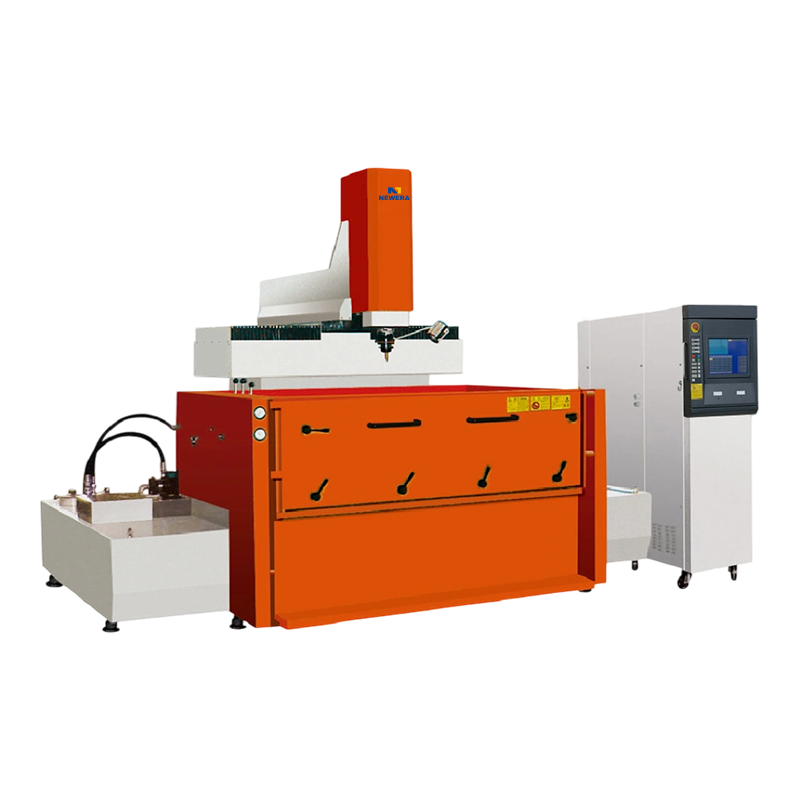
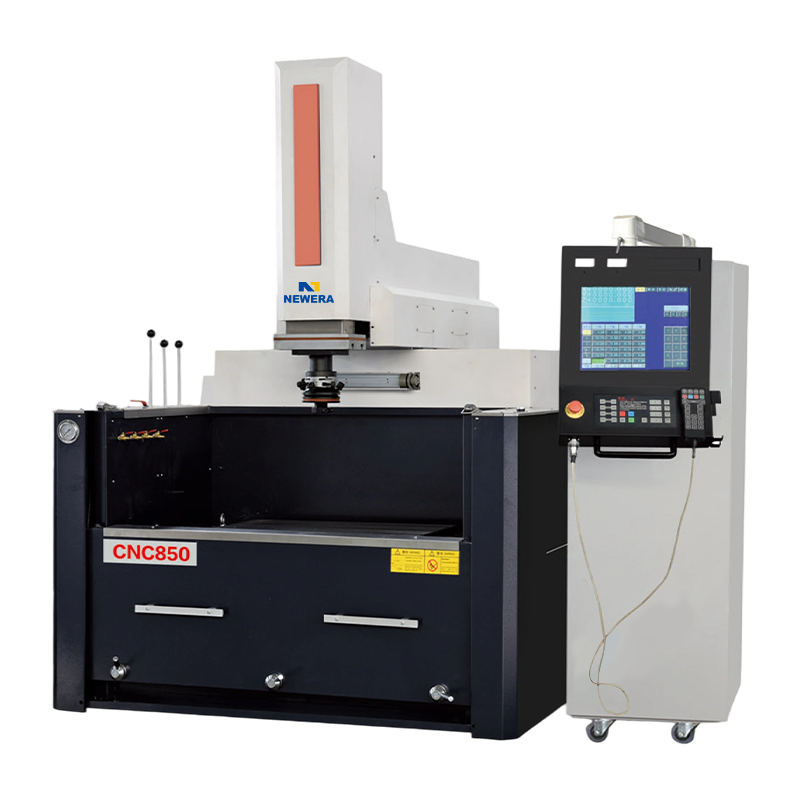
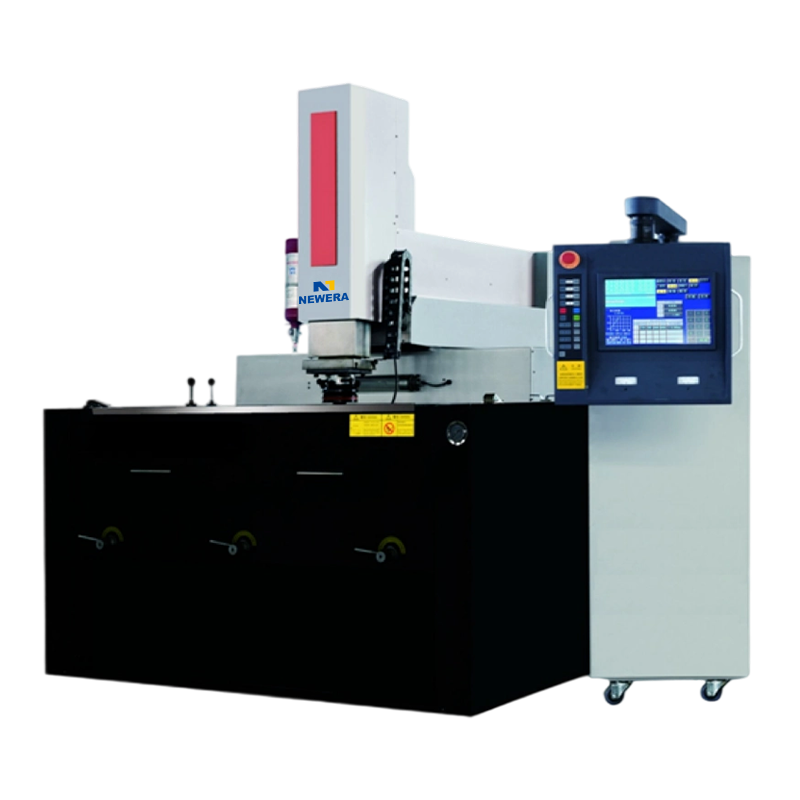
A Sinker EDM machine shapes a workpiece by lowering a formed electrode into the material while a rapid series of electrical sparks erode the surface to match the electrode geometry. This process, generally called EDM die sinking, removes material through controlled spark erosion rather than cutting force, which is why hardness has little effect on how a Die Sinking EDM Machine performs. The electrode and workpiece sit submerged in dielectric fluid, and each spark removes a tiny amount of material until the finished cavity mirrors the shape of the electrode.
A Die sinker machine, sometimes called a ram EDM machine, is the standard tool for producing mold cavities, die impressions and other complex internal geometries that are difficult or impossible to reach with a rotating cutting tool. A modern CNC sinker EDM adds programmable axis control and orbiting cycles on top of this core process, which is why most current EDM machine purchases are CNC based rather than manually operated units.
How EDM Die Sinking Works
The Spark Erosion Cycle
Material removal happens through thousands of individual electrical discharges every second, each one vaporizing a microscopic amount of material from both the electrode and the workpiece. Because the electrode also wears during this cycle, electrode material and discharge settings are chosen together to balance removal speed against how much electrode shape needs to be preserved for a finishing pass.
The Role of Dielectric Fluid
Dielectric fluid, typically a specialized oil, fills the gap between electrode and workpiece, insulating the gap until voltage builds enough to trigger a spark, then flushing away the eroded debris afterward. Consistent fluid circulation and filtration keeps that debris from interfering with later discharges, which is part of why tank design and filtration capacity matter as much as the generator itself.
Materials Commonly Machined With Sinker EDM
Because EDM removes material electrically rather than mechanically, any electrically conductive material can generally be machined regardless of hardness or toughness. The table below outlines materials frequently paired with an EDM machine.
| Material | Typical Hardness Range | Machinability With Sinker EDM | Common Use |
|---|---|---|---|
| Hardened Tool Steel | Up to 60 to 65 HRC | Unaffected by hardness since removal is thermal and electrical | Injection mold cavities |
| Titanium Alloy | Moderate hardness, high toughness | Machinable despite toughness that challenges cutting tools | Aerospace and medical components |
| Tungsten Carbide | Very high hardness | Machinable through spark erosion where grinding alone is slow | Cutting tool inserts and wear parts |
| Conductive Ceramic | High hardness, brittle | Machinable if electrically conductive | Specialized wear resistant components |
| Stainless Steel | Moderate to high hardness | Good general machinability | Medical and food grade tooling |
Electrode Material Usage on a Die Sinker Machine
Electrode material choice affects wear rate, achievable finish and how well fine detail transfers into the cavity. The chart below shows a general usage pattern across common electrode materials on a die sinking EDM machine.
Sinker EDM Compared With Wire EDM and CNC Milling
Sinker EDM is one of several ways to produce a precision cavity or feature, and comparing it against wire EDM and CNC milling helps clarify where a Die Sinking EDM Machine fits best. The radar chart below lines up five practical attributes across all three methods.
- Sinker EDM
- Wire EDM
- CNC Milling
Material Removal Rate by Discharge Current Setting
Raising the discharge current on an EDM machine speeds up material removal but also changes surface finish and electrode wear, which is why roughing and finishing passes typically run at different settings. The line chart below illustrates a general relationship between discharge current and relative removal rate.
Typical Surface Finish by Machining Stage
Surface finish on a Die Sinking EDM Machine improves as the process moves from roughing through progressively finer finishing passes. The chart below shows a general Ra value, measured in micrometers, associated with each stage.
Machine Class and Specification Reference
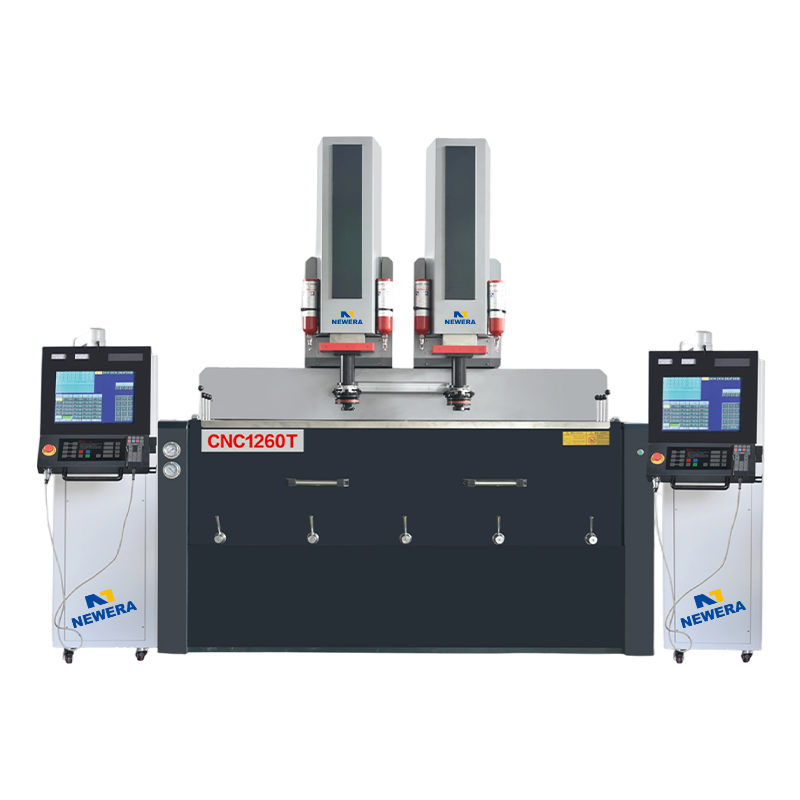
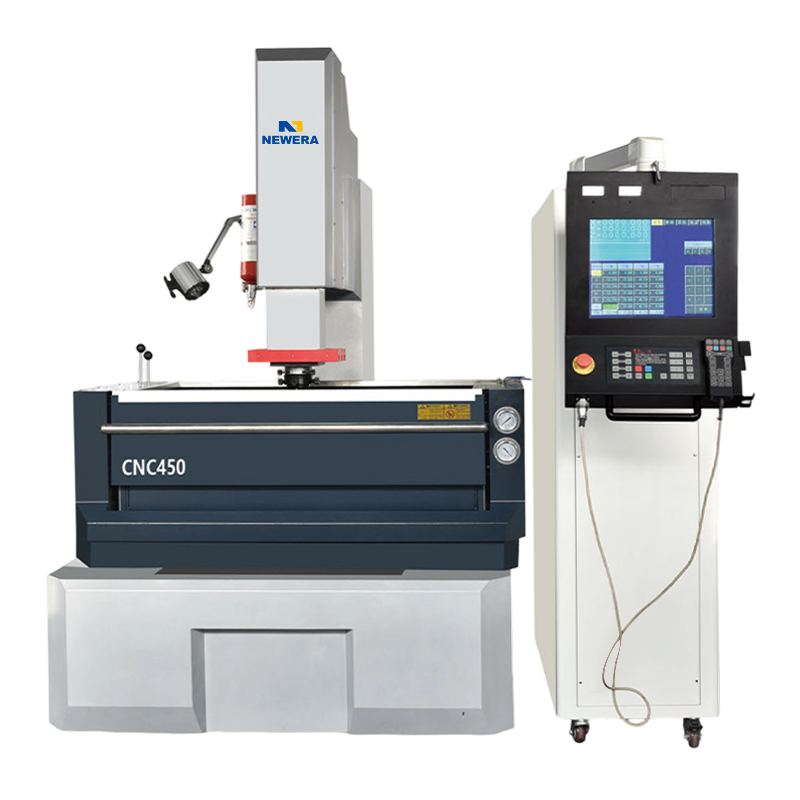
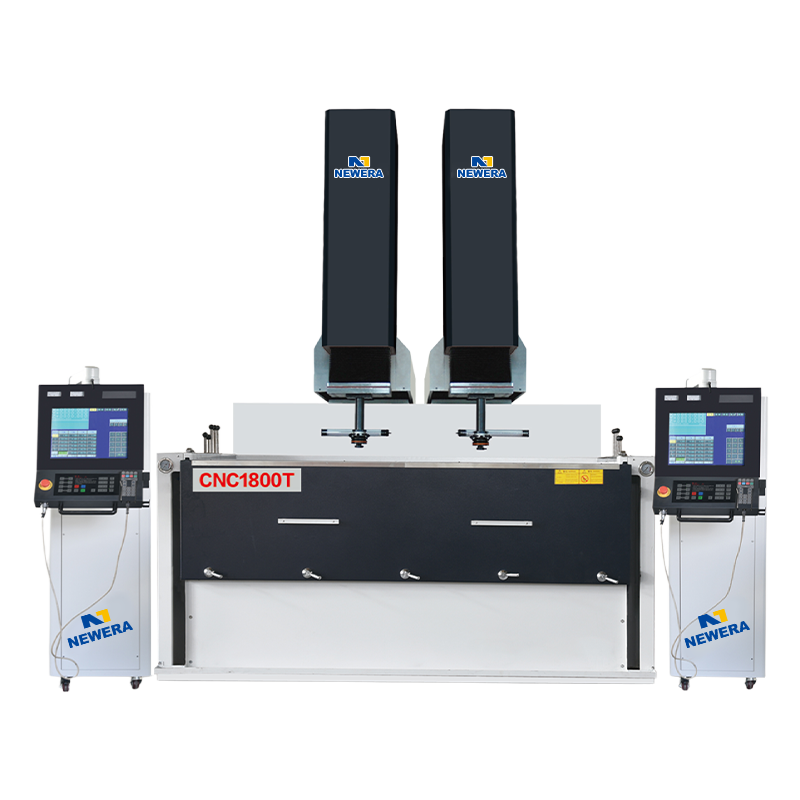
Matching work tank size and electrode weight capacity to the largest mold block or cavity in production avoids finding out mid project that a machine is undersized. The table below groups common CNC sinker EDM machine classes by general specification range.
| Machine Class | Work Tank Size | Max Electrode Weight | Positioning Accuracy |
|---|---|---|---|
| Small | 400 x 300 x 250 mm | Up to 50 kg | Plus or minus 0.005 mm |
| Medium | 650 x 450 x 350 mm | Up to 150 kg | Plus or minus 0.005 mm |
| Large | 1000 x 700 x 500 mm | Up to 500 kg | Plus or minus 0.008 mm |
| Extra Large | 1500 x 1000 x 700 mm | Up to 1000 kg | Plus or minus 0.01 mm |
Typical Die Sinking EDM Production Workflow
A finished cavity produced on a CNC sinker EDM generally passes through the same broad sequence regardless of part complexity. The stages below outline that general flow.
- 1Electrode Design and Fabrication
- 2Workpiece Setup and Alignment
- 3Roughing Pass
- 4Semi Finish Pass
- 5Finish Pass
- 6Cleaning and Inspection
Where Sinker EDM Machines Are Used
The precision and hardness independence of Die Sinking EDM Machine work make it a standard choice across several manufacturing settings.
-
Mold and Die Cavities
Injection mold and die cast tooling where internal cavity geometry cannot be reached with a rotating cutting tool.
-
Aerospace Components
Cooling holes and complex features in titanium and superalloy parts where conventional cutting is difficult.
-
Medical Device Molds
Fine detail cavities that need a smooth finish and tight dimensional consistency across long production runs.
-
Hardened Tooling and Punches
Punch and die components machined after hardening, since spark erosion is not affected by the material's hardened state.
Choosing a Die Sinking EDM Machine Manufacturer
Working with a dedicated CNC sinker EDM machine supplier instead of a general machine tool reseller usually makes sense once a shop needs specific control software, tank size or automation features. A few practical checkpoints help narrow the search among options for an OEM sinker EDM machine.
- Confirm the control system supports the electrode movement patterns and orbiting cycles the tooling program will need.
- Check work tank size and electrode weight capacity against the largest mold or cavity block expected in production.
- Review servo response and gap control performance, since this affects how consistently the spark gap is maintained during a long finishing pass.
- Ask about generator type and how discharge energy is adjusted between roughing and finishing passes.
- Look at dielectric fluid filtration and circulation capacity, since fluid cleanliness affects both finish quality and electrode wear.
A number of buyers look toward a die sinking EDM machine manufacturer China base once volume or customization needs grow, largely because of the concentration of control software development, generator design and mechanical build capability within a single supply region. This is also where an automatic die sinking EDM machine, built with automated electrode changing and unattended cycle features, tends to be easiest to source alongside standard manual tank designs.
Manufacturing Background
Nantong New Era Technology Co., LTD has focused on developing, designing and producing numerical control machines and CNC machine tools for more than 20 years, supported by a team spanning technology development, manufacturing and sales service.
- Experience 20+ Years
- Business Model OEM and ODM EDM Machine Development
- Core Capability CNC Machine Tool Design and Production
- Facility Production and Mounting Center
Operating as an OEM EDM machine manufacturer and ODM EDM die sinker machine company, the team works with customers to match machine configuration, such as tank size, generator settings and control software, to the parts being produced, drawing on ongoing developments in the field to refine machine design over time.
What to Check Before Buying a Die Sinker Machine
- Ask for a sample cavity trial on a representative material before committing to a full order.
- Verify the control software supports the electrode library and orbiting patterns your tooling programs already use.
- Confirm axis travel and tank size against your largest expected mold block, not just your average part size.
- Review how easily consumables such as filters and electrode holders can be sourced for ongoing operation.
- Discuss training and setup support for the control system so new programs can be built without a long learning curve.
Frequently Asked Questions
-
Q1. What is a sinker EDM machine
A sinker EDM machine, also called a die sinker machine or ram EDM machine, shapes a workpiece by lowering a formed electrode into the material while repeated electrical sparks erode the surface to match the electrode shape.
-
Q2. How does EDM die sinking work
A shaped electrode and the workpiece are submerged in dielectric fluid, and a series of rapid electrical discharges between the two erodes material from the workpiece in the pattern of the electrode.
-
Q3. What is die sinking EDM
Die sinking EDM is the general process name for using a sinker EDM machine to form cavities, such as mold and die impressions, through controlled spark erosion rather than cutting tools.
-
Q4. What is ram EDM
Ram EDM is another common name for sinker EDM, referring to the ram that drives the electrode downward into the workpiece during the machining cycle.
-
Q5. What materials can EDM machine
EDM works on any electrically conductive material, which covers most tool steels, stainless steel, titanium alloys, tungsten carbide and various conductive ceramics.
-
Q6. Can EDM machine hardened steel
Yes, since material removal happens through electrical discharge rather than cutting force, hardness has little effect on how the process performs.
-
Q7. Can EDM machine titanium
Yes, titanium alloys are commonly machined with EDM, particularly for aerospace and medical components where their toughness makes conventional cutting more difficult.
-
Q8. Can EDM cut carbide
Yes, tungsten carbide is a common EDM application, especially for cutting tool inserts and wear parts where grinding alone would be slow and difficult.
-
Q9. How accurate is EDM machining
Positioning accuracy on a well maintained sinker EDM machine commonly falls in a range around plus or minus 0.005 mm, though the exact figure depends on the machine class and process settings.
-
Q10. What surface finish can EDM achieve
Surface finish depends on the machining stage, with rough passes leaving a coarser texture and finishing passes capable of reaching a fine, near mirror level surface.
If you are interested in our products, please consult us.
CONTACT DETAILS
Nantong New Era Technology Co., LTD
- Five-star Industrial Park, Chongchuan District, Nantong City, Jiangsu Province, China
- TEL:+86-19851302688
- E-Mail: [email protected]
Products
Quick link
Mobile terminal
