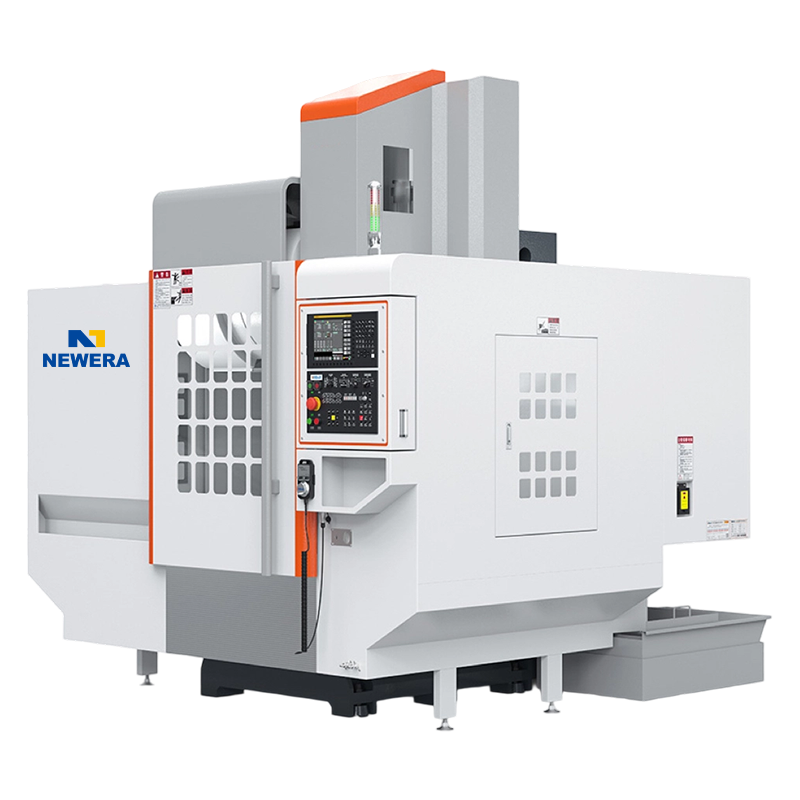
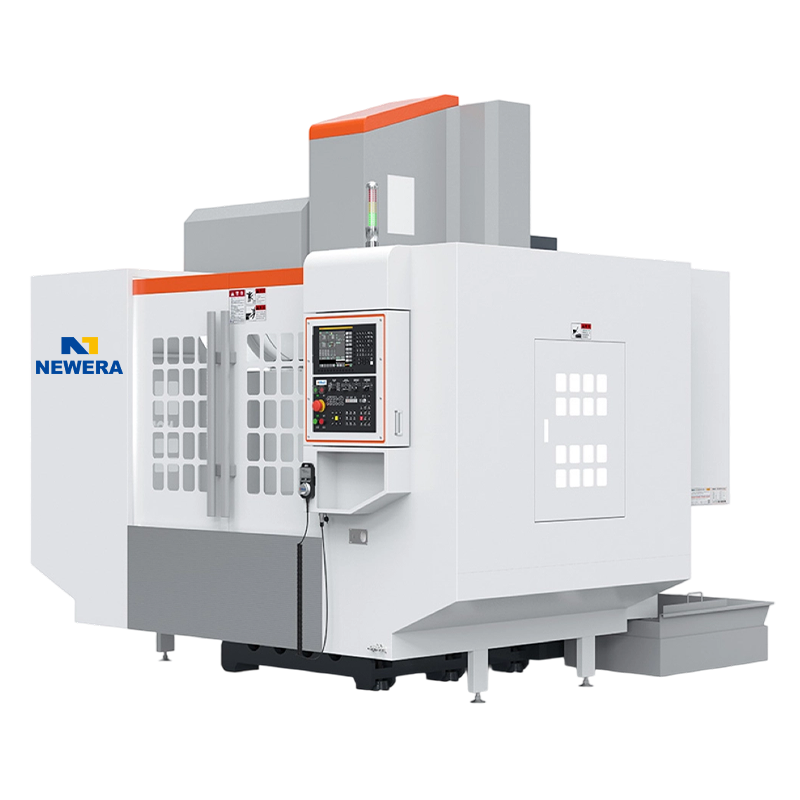
A high-performance vertical machining center is a precision machining equipment integrating machine tool, CNC technology, and automated control. It is widely used in industries such as machinery manufacturing, automotive, aerospace, and mold making. As one of the core equipment in modern manufacturing, the vertical machining center has become the preferred tool for machining many high-precision parts due to its superior machining accuracy and versatility.
1. What is a High-Performance Vertical Machining Center?
A high-performance vertical machining center is a machine tool based on numerical control (CNC) technology. It adopts a vertical layout for the worktable and tool arrangement, suitable for the precision machining of various complex parts. Its main functions include milling, drilling, tapping, surface milling, and machining complex curved surfaces, enabling it to complete various machining tasks efficiently and with high precision. Compared with traditional CNC milling machines, vertical machining centers have higher machining accuracy and stronger automated control capabilities.
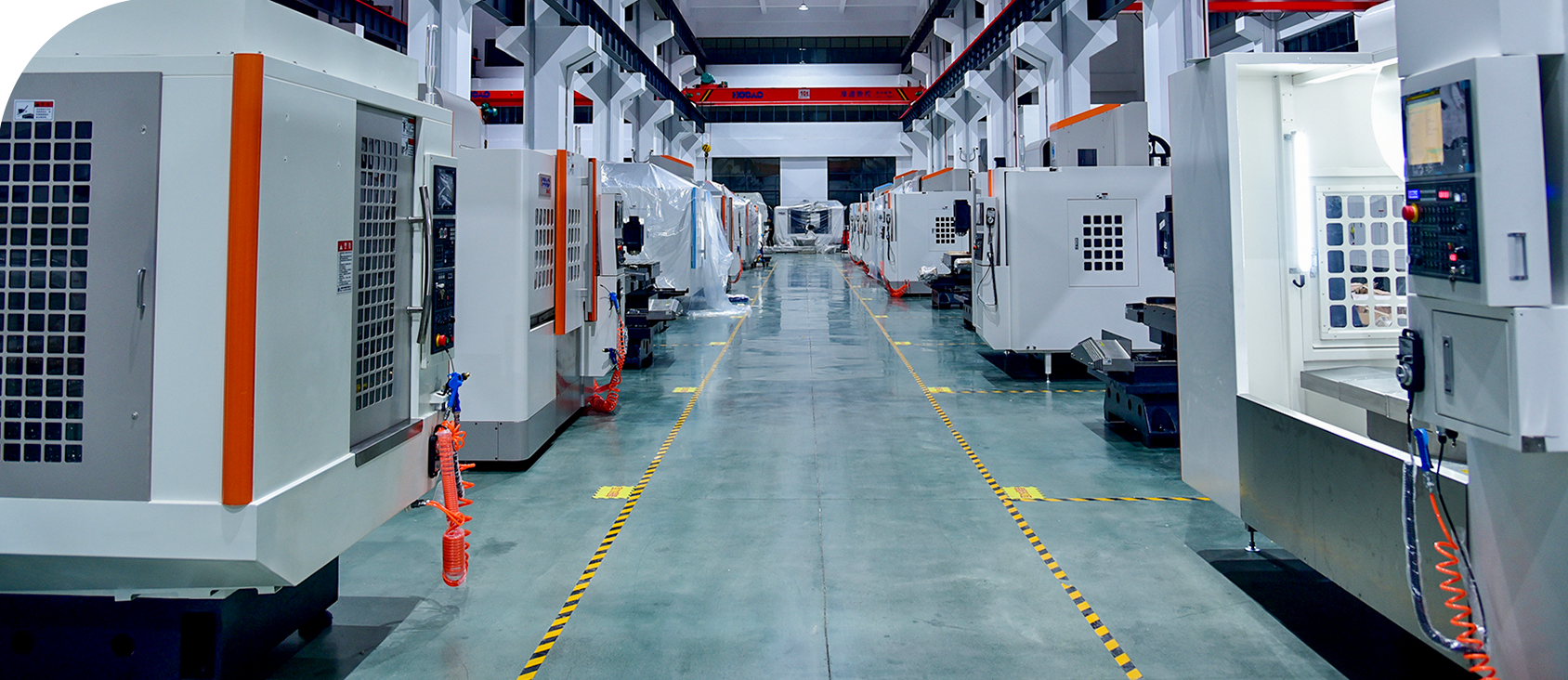
As a professional OEM High-Performance Vertical Machining Center Manufacturer and ODM High-Performance Vertical Machining Center Factory, New Era has continuously achieved advanced scientific and technological achievements both domestically and internationally, and has now developed into a professional manufacturer with a complete production and mounting center.
2. Main Features of High-Performance Vertical Machining Centers
(1) High-Precision Machining Capability
High-performance vertical machining centers are typically equipped with high-rigidity structures and high-precision CNC systems, enabling micron-level machining accuracy. Their precise control system ensures accurate control of the tool path during machining, resulting in extremely high dimensional accuracy and surface quality.
(2) High-Rigidity Structural Design
To ensure the stability of high-precision machining, vertical machining centers typically employ a high-rigidity cast iron body, and optimized design reduces vibration and deformation. These structural characteristics ensure the stability of the machine tool during high-speed cutting, avoiding machining errors caused by mechanical vibration.
(3) Multifunctionality
High-performance vertical machining centers not only possess the functions of traditional milling, but can also perform complex operations such as drilling, tapping, and cutting. This gives machining centers high application flexibility in manufacturing, enabling them to process parts of various shapes, such as complex curved surfaces and irregularly shaped holes.
(4) High Level of Automation
High-performance vertical machining centers are equipped with advanced CNC systems and have automated control functions. For example, the automatic tool changer (ATC) can automatically switch tools according to different machining requirements, greatly improving machining efficiency and reducing the need for manual intervention.
(5) High-Speed Machining Capability
High-performance vertical machining centers typically have high spindle speeds, feed rates, and accelerations, enabling them to complete efficient machining in a short time. They are particularly suitable for mass production and precision parts machining where high production efficiency is required.
(6) Excellent Thermal Stability
High-performance vertical machining centers typically have excellent thermal stability designs, maintaining machining accuracy during long-term machining processes, reducing the impact of thermal deformation, and ensuring the stability of machining quality.
3. Frequently Asked Questions about High-Performance Vertical Machining Centers
| Problem Categories |
Common Problems |
Possible Causes |
Solutions |
| Mechanical System |
Spindle Vibration or Abnormal Noise |
• Spindle bearing wear/insufficient lubrication.
• Poor tool dynamic balance.
• Insufficient spindle clamping force. |
• Replace bearings or replenish grease.
• Rebalance the tool.
• Check the pneumatic or hydraulic pressure of the tool clamping mechanism. |
| Electrical System |
System Alarms (Driver/Servo Failure) |
• Poor cable contact.
• Abnormal driver parameters.
• Motor overload. |
• Check cable connections.
• Reset parameters or restart the system.
• Reduce cutting load or cool the motor. |
| Machining Accuracy |
Dimensional Tolerances (Hole Spacing/Contour Error) |
• Excessive backlash. • Tool compensation not set. • Drift caused by thermal deformation. |
• Adjust leadscrew nut clearance. • Check tool radius compensation. • Preheat machine or optimize cooling. |
| Cooling/Lubrication System |
Cut Fluid Spray Abnormality |
• Nozzle blockage. • Pump motor failure. • Piping rupture. |
• Clean or adjust the nozzles. • Replace the pump motor. • Repair the piping. |



 русский
 عربى
عربى