

 русский
 عربى
عربى
Industry News
How to Maintain an EDM Machine Properly?
 2026.02.27
 Industry News
Content
- 1 Proper EDM Machine Maintenance Extends Lifespan and Precision
- 2 Maintain Dielectric Fluid Quality and Filtration System
- 3 Inspect and Maintain Electrical Components
- 4 Protect Mechanical and Motion Components
- 5 Control Environmental Conditions
- 6 Implement a Preventive Maintenance Schedule
- 7 EDM Machine Maintenance FAQ
- 7.1 How often should dielectric fluid be replaced?
- 7.2 What happens if filters are not replaced regularly?
- 7.3 How can I improve machining accuracy?
- 7.4 Why is my EDM Machine producing rough surfaces?
- 7.5 How long can an EDM Machine last with proper maintenance?
- 7.6 Is preventive maintenance better than reactive repairs?
Proper EDM Machine Maintenance Extends Lifespan and Precision
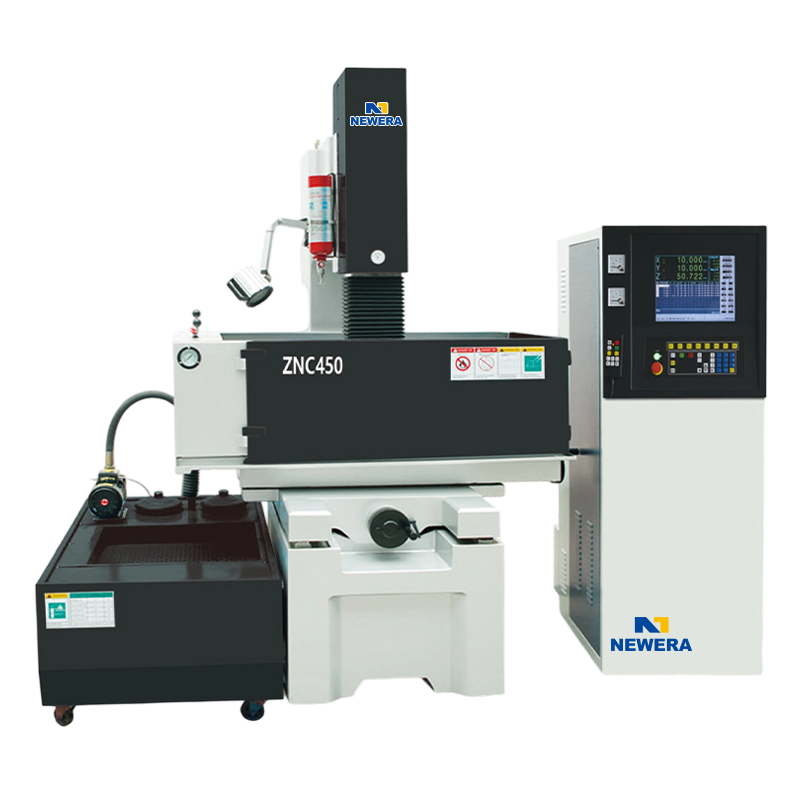
The most effective way to maintain an EDM Machine is through consistent preventive maintenance—regular dielectric fluid management, electrode system inspection, electrical component checks, and strict cleanliness control. When maintained properly, an EDM Machine can achieve over 95% machining accuracy stability and extend its service life by 5–10 years compared to poorly maintained equipment.
Neglecting maintenance often results in unstable discharge, surface defects, increased electrode wear, and costly downtime. The following sections provide a practical, structured guide to maintaining your EDM Machine efficiently.
Maintain Dielectric Fluid Quality and Filtration System
Monitor Fluid Cleanliness and Conductivity
The dielectric fluid directly impacts spark stability and surface finish. Contaminated fluid can reduce machining efficiency by 20–30% and cause short circuits.
- Check dielectric conductivity weekly.
- Replace filters every 400–600 operating hours.
- Completely replace dielectric oil every 12–18 months.
Clean the Tank and Flushing System
Sludge buildup affects flushing efficiency and spark distribution. Clean the tank and remove sediment quarterly to maintain optimal performance.
Inspect and Maintain Electrical Components
Check Power Supply and Discharge Circuits
EDM Machines rely on precise electrical pulses. Loose wiring or unstable voltage can lead to inconsistent sparks and dimensional errors.
- Inspect cable connections monthly.
- Check for overheating components.
- Ensure stable voltage supply within ±5% tolerance.
Maintain Servo Control System
The servo system maintains the electrode gap. Poor calibration can reduce surface finish quality by up to 15%. Perform calibration checks every 6 months.
Protect Mechanical and Motion Components
Lubricate Guideways and Ball Screws
Smooth axis movement ensures micron-level accuracy. Insufficient lubrication increases wear and positioning errors.
- Lubricate weekly in high-usage environments.
- Check backlash every 6 months.
- Keep linear scales clean and dust-free.
Inspect Worktable and Fixtures
Misalignment or corrosion on the worktable affects accuracy. Clean and inspect clamping systems regularly.
Control Environmental Conditions
EDM Machines perform best in stable environments. Temperature fluctuations of more than ±2°C can affect precision machining results.
| Environmental Factor | Recommended Range | Impact if Ignored |
|---|---|---|
| Temperature | 20–25°C | Dimensional drift |
| Humidity | 40–60% | Electrical instability |
| Dust Level | Low / Controlled | Component wear |
Implement a Preventive Maintenance Schedule
A structured maintenance schedule significantly reduces unexpected downtime—by as much as 40% in industrial environments.
- Daily: Clean work area and check fluid level.
- Weekly: Inspect electrodes and cables.
- Monthly: Check lubrication system.
- Semi-Annually: Calibrate servo and axis alignment.
- Annually: Replace dielectric fluid and inspect internal circuits.
EDM Machine Maintenance FAQ
How often should dielectric fluid be replaced?
Typically every 12–18 months, depending on machine usage and contamination levels.
What happens if filters are not replaced regularly?
Dirty filters reduce flushing efficiency and may decrease machining speed by up to 30%.
How can I improve machining accuracy?
Maintain stable room temperature, calibrate the servo system, and ensure proper lubrication of guideways.
Why is my EDM Machine producing rough surfaces?
Possible causes include contaminated dielectric fluid, incorrect pulse settings, or worn electrodes.
How long can an EDM Machine last with proper maintenance?
With consistent maintenance, many machines operate efficiently for 15–20 years.
Is preventive maintenance better than reactive repairs?
Yes. Preventive maintenance reduces unexpected breakdowns by approximately 40% and significantly lowers repair costs.
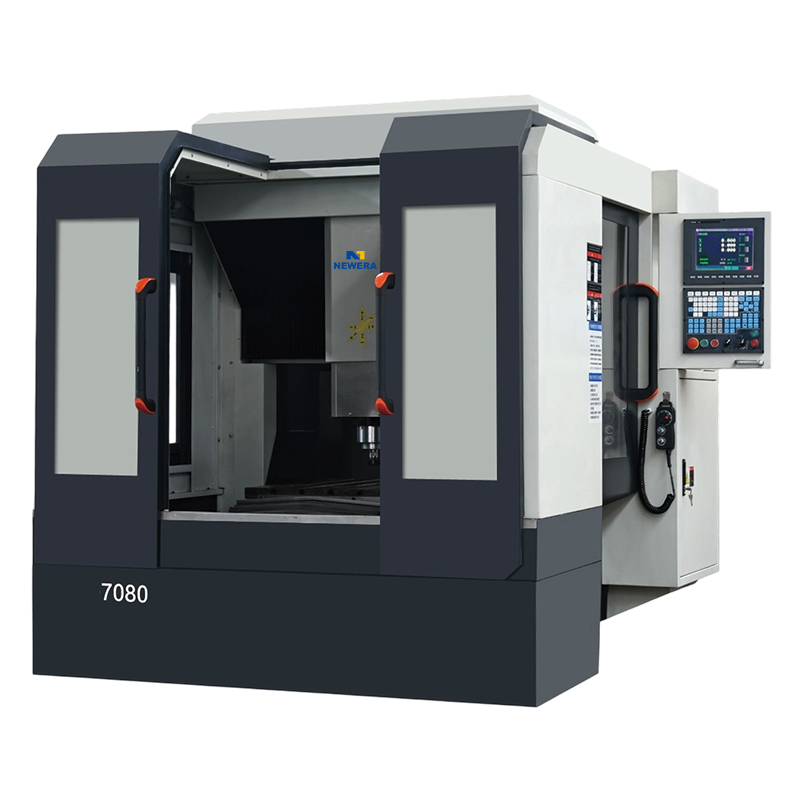
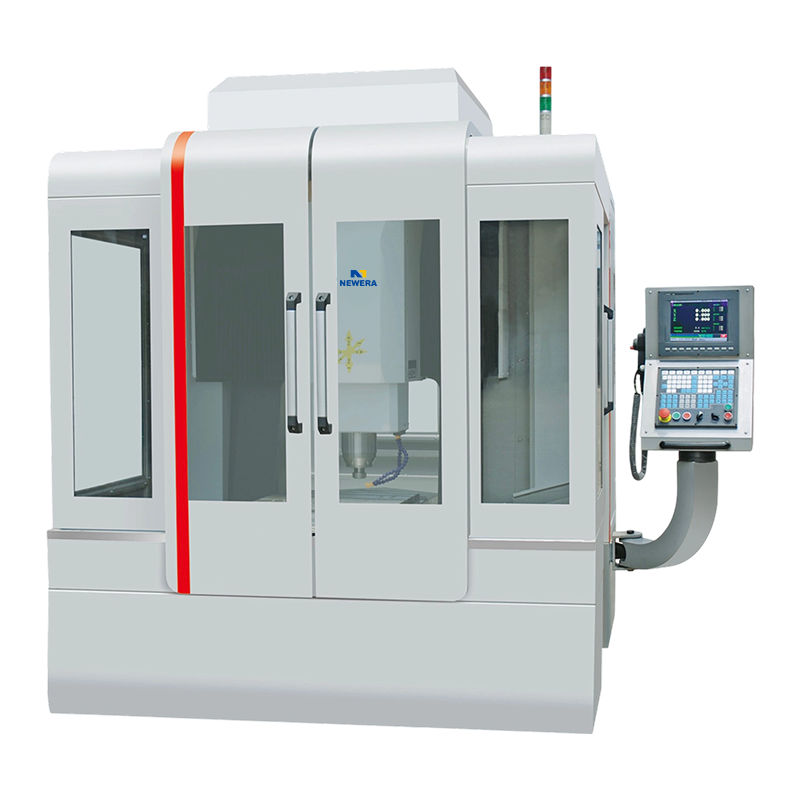
If you are interested in our products, please consult us.
CONTACT DETAILS
Nantong New Era Technology Co., LTD
- Five-star Industrial Park, Chongchuan District, Nantong City, Jiangsu Province, China
- TEL:+86-19851302688
- E-Mail: [email protected]
Products
Quick link
Mobile terminal
