

 русский
 عربى
عربى
Industry News
Home / News / Industry News / Why Engraving and Milling Machines Are a Game Changer for Manufacturing?
Why Engraving and Milling Machines Are a Game Changer for Manufacturing?
 2026.02.20
 Industry News
Content
- 1 Why Engraving and Milling Machines Are a Game Changer for Manufacturing
- 2 Key Benefits of Engraving and Milling Machines
- 3 Types of Engraving and Milling Machines
- 4 Applications of Engraving and Milling Machines
- 5 How to Choose the Right Engraving and Milling Machine for Your Needs
- 6 FAQ: Engraving and Milling Machines
Why Engraving and Milling Machines Are a Game Changer for Manufacturing
Engraving and milling machines are essential tools in modern manufacturing, offering precision, versatility, and efficiency in creating detailed designs and complex shapes. These machines are used in various industries, from automotive and aerospace to electronics and jewelry. In short, engraving and milling machines allow for the production of intricate parts and products with unmatched accuracy and speed.
Key Benefits of Engraving and Milling Machines
Engraving and milling machines offer several advantages over traditional manufacturing methods:
- Precision: These machines are capable of producing parts with incredibly tight tolerances, ensuring high-quality output for complex designs.
- Versatility: Whether you're working with metals, plastics, or wood, engraving and milling machines can handle a wide variety of materials.
- Efficiency: Automated processes reduce the time required to create products, allowing for faster turnaround and higher production rates.
- Customization: Engraving machines, in particular, are ideal for creating custom designs, serial numbers, and logos on parts and products.
Types of Engraving and Milling Machines
There are several types of engraving and milling machines, each designed for specific applications. Here's a breakdown of the most common types:
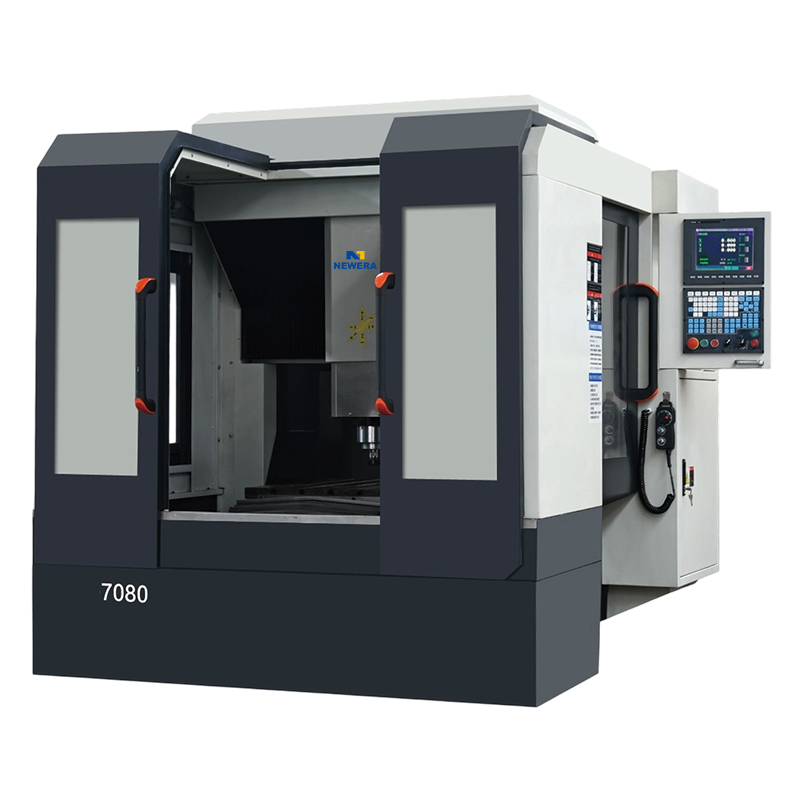
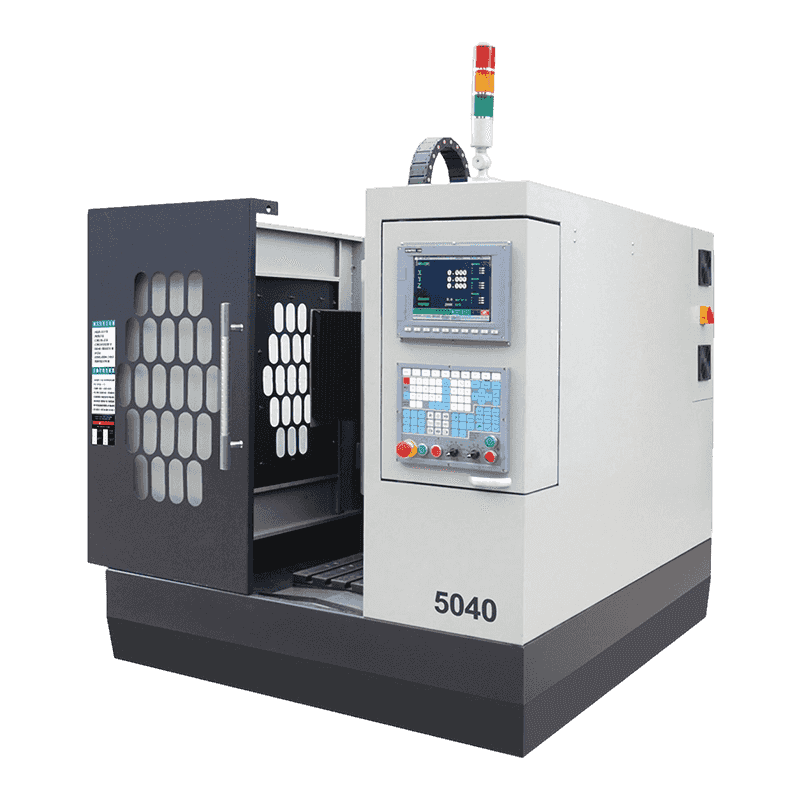
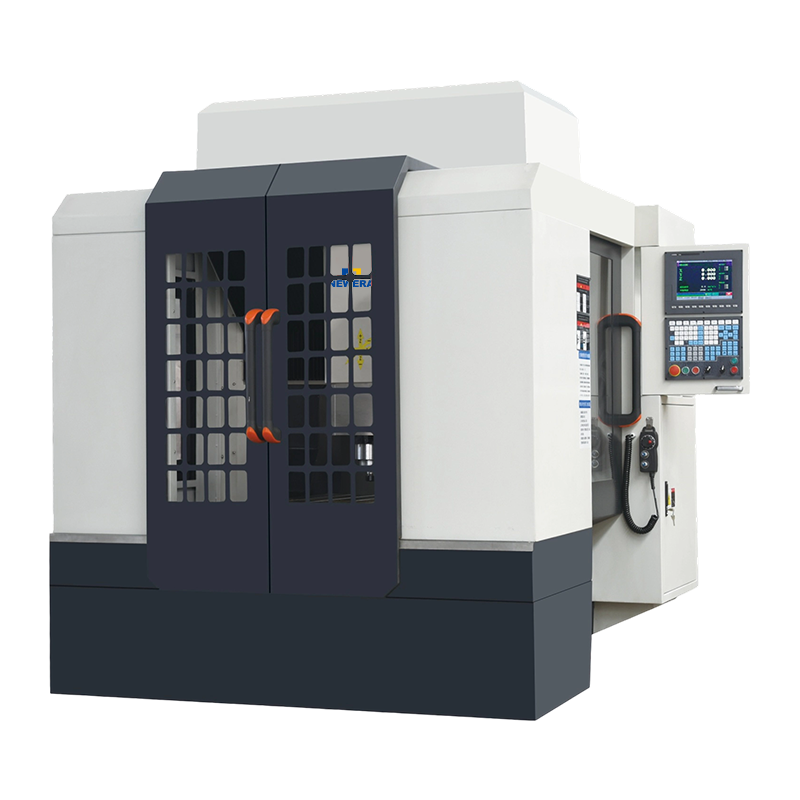
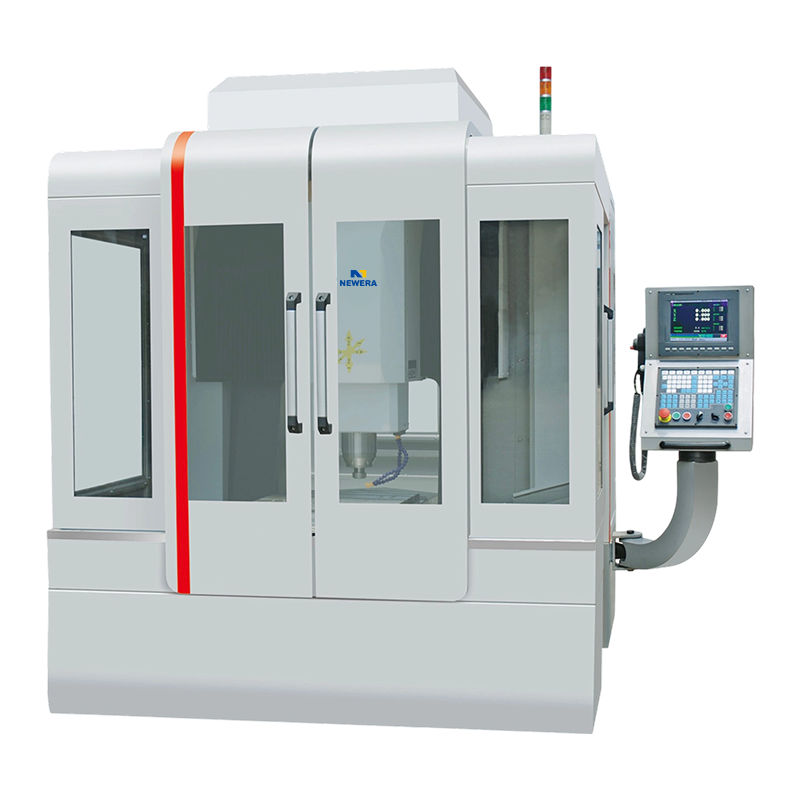
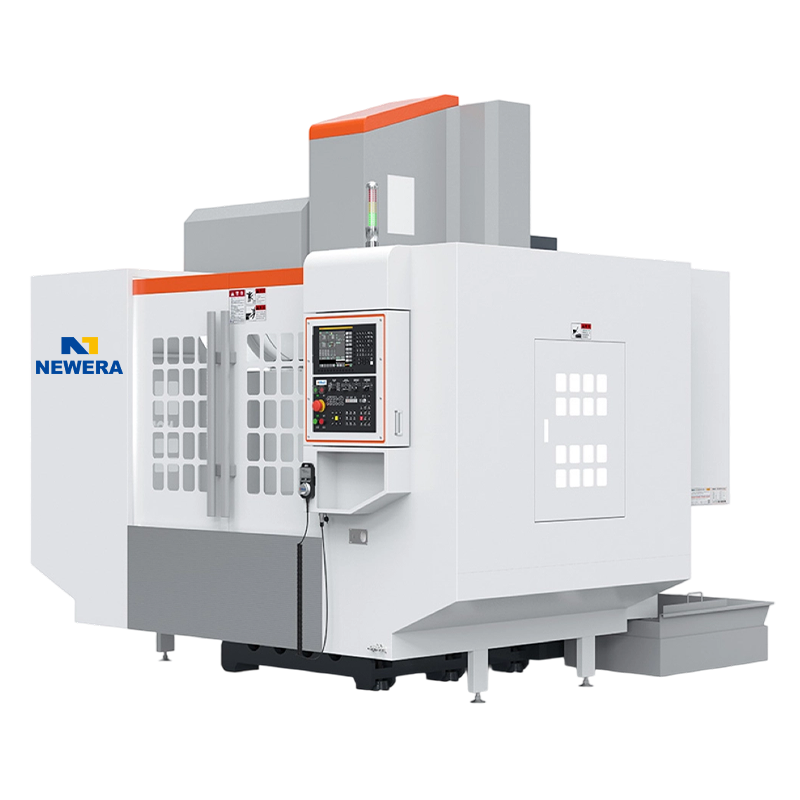
- CNC Milling Machines: These computer-controlled machines are highly precise and can create complex parts with great accuracy, making them ideal for mass production.
- Engraving Machines: Used primarily for adding detailed markings, logos, and patterns to materials. They are ideal for custom design work.
- Vertical Milling Machines: These machines are commonly used for detailed and vertical cutting, offering flexibility in tool positioning and more precise results.
- Horizontal Milling Machines: Typically used for heavy-duty operations, horizontal milling machines are better suited for large-volume cutting and finishing.
Applications of Engraving and Milling Machines
Engraving and milling machines are used across various industries for a wide range of applications:
- Automotive: Milling machines are used for creating engine parts, body components, and intricate molds.
- Aerospace: Precision milling and engraving are essential for producing flight parts and components that meet strict regulatory standards.
- Electronics: Engraving machines are used to add serial numbers, logos, and labels to small components like circuit boards and connectors.
- Jewelry: Engraving machines are perfect for adding custom designs and markings to fine jewelry pieces.
How to Choose the Right Engraving and Milling Machine for Your Needs
When selecting an engraving or milling machine, several factors must be considered to ensure it meets your specific needs:
- Material Compatibility: Ensure the machine can handle the materials you plan to use, whether metals, plastics, or wood.
- Precision and Tolerance: Choose a machine that can meet your accuracy requirements, particularly for applications that require high precision.
- Production Volume: If you need to produce a large number of parts, consider machines designed for high-speed operations and mass production.
- Software Integration: Many CNC machines come with software that allows for easy integration with CAD/CAM systems, enhancing workflow efficiency.
FAQ: Engraving and Milling Machines
Here are some frequently asked questions about engraving and milling machines:
- Q: Can milling machines be used for both metals and plastics? A: Yes, milling machines are versatile and can handle a wide variety of materials, including metals, plastics, and even composites.
- Q: What is the difference between engraving and milling machines? A: Engraving machines are designed primarily for adding detailed markings and designs, while milling machines are used for cutting and shaping materials into precise forms.
- Q: How do I maintain an engraving or milling machine? A: Regular maintenance includes cleaning the machine after each use, checking for wear and tear on cutting tools, and ensuring that lubrication systems are working properly to prevent overheating.
If you are interested in our products, please consult us.
CONTACT DETAILS
Nantong New Era Technology Co., LTD
- Five-star Industrial Park, Chongchuan District, Nantong City, Jiangsu Province, China
- TEL:+86-19851302688
- E-Mail: [email protected]
Products
Quick link
Mobile terminal
