

 русский
 عربى
عربى
Industry News
Home / News / Industry News / CNC EDM Die Sinking Machine: Is It the Best Choice for Precision Mold Making?
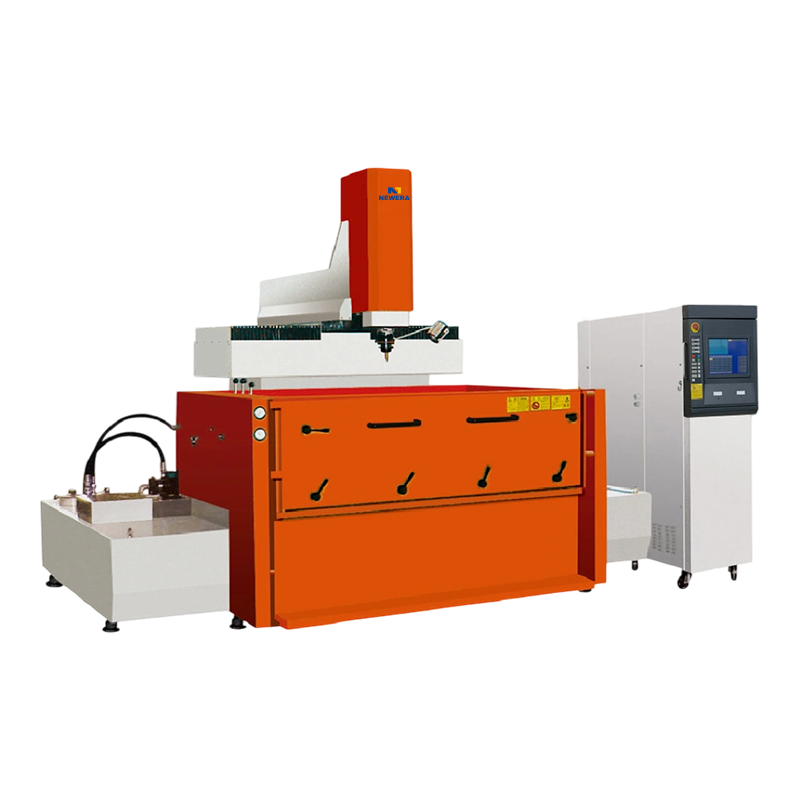
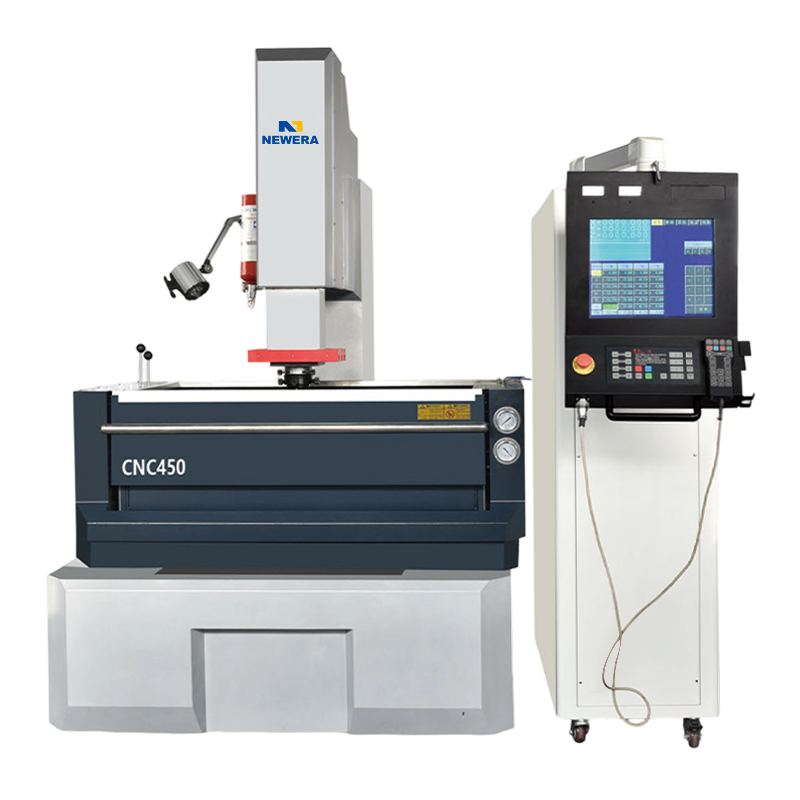
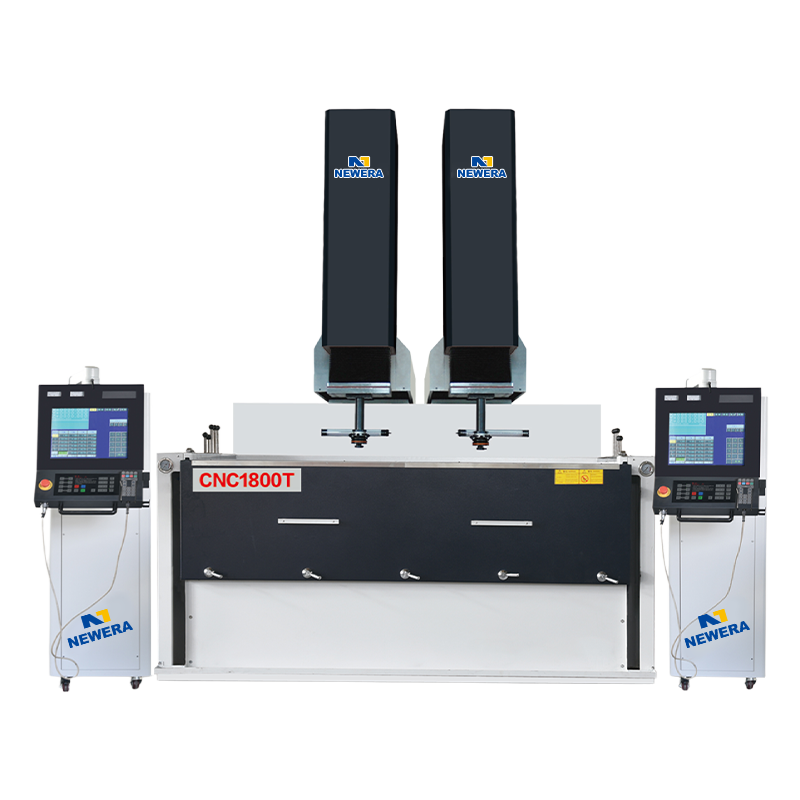
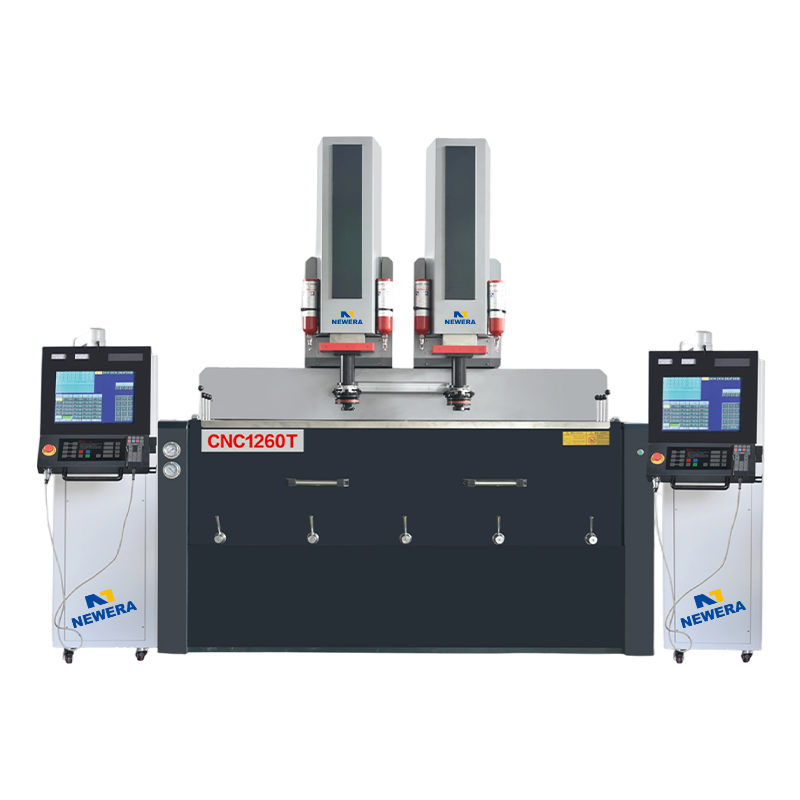
CNC EDM Die Sinking Machine: Is It the Best Choice for Precision Mold Making?
 2026.02.13
 Industry News
Content
- 1 Is a CNC EDM Die Sinking Machine the Best Solution for High-Precision Mold Manufacturing?
- 2 How Does a CNC EDM Die Sinking Machine Work?
- 3 Main Advantages of CNC EDM Die Sinking Machines
- 4 Typical Applications Across Industries
- 5 What to Consider When Choosing a CNC EDM Die Sinking Machine?
- 6 How Does CNC EDM Improve Production Efficiency?
- 7 FAQ About CNC EDM Die Sinking Machines
Is a CNC EDM Die Sinking Machine the Best Solution for High-Precision Mold Manufacturing?
The short answer is yes. A CNC EDM Die Sinking Machine is one of the most reliable solutions for producing complex cavities, sharp internal corners, and ultra-precise mold details that traditional machining cannot achieve. With positioning accuracy often reaching ±0.002 mm and surface finishes as fine as Ra 0.2 μm, this technology has become essential in mold, aerospace, automotive, and electronics manufacturing.
By using electrical discharges instead of cutting tools, the machine can shape hardened steel, carbide, and exotic alloys without mechanical stress. This makes it ideal for industries where precision and material integrity are critical.
How Does a CNC EDM Die Sinking Machine Work?
A CNC EDM Die Sinking Machine works by generating controlled electrical sparks between a shaped electrode and the workpiece submerged in dielectric fluid. Each spark removes microscopic material particles, gradually forming the desired cavity shape.
Key Operating Principles
- Non-contact machining eliminates cutting force
- Dielectric fluid cools and flushes debris
- CNC control ensures repeatable precision
This process allows manufacturers to create deep ribs, narrow slots, and complex 3D contours that would be impossible or extremely costly with conventional milling.
Main Advantages of CNC EDM Die Sinking Machines
The growing global EDM machine market reflects the rising demand for precision components. According to industry reports, the EDM equipment market is projected to grow at over 5% CAGR, driven by mold manufacturing and high-end machining applications.
- High dimensional accuracy and surface quality
- Ability to machine hardened materials up to 60+ HRC
- Minimal tool wear compared to mechanical cutting
- Excellent repeatability for mass production
These advantages directly translate into lower scrap rates, reduced rework, and more consistent product quality.
Typical Applications Across Industries
CNC EDM Die Sinking Machines are widely used in industries where tight tolerances and complex geometry are required.
| Industry | Typical Use Case |
|---|---|
| Mold & Die | Injection mold cavities and core inserts |
| Automotive | Precision engine and transmission parts |
| Electronics | Connector molds and micro components |
| Aerospace | High-temperature alloy components |
What to Consider When Choosing a CNC EDM Die Sinking Machine?
Selecting the right machine directly impacts productivity and return on investment. Buyers should focus on both technical performance and long-term reliability.
Key Selection Factors
- Machine accuracy and positioning repeatability
- Maximum workpiece size and load capacity
- Control system stability and software compatibility
- After-sales service and spare parts availability
High-quality machines can reduce electrode consumption by up to 30% and improve machining speed by 20% compared to older-generation equipment.
How Does CNC EDM Improve Production Efficiency?
Modern CNC EDM Die Sinking Machines integrate automatic tool changers, intelligent spark gap control, and adaptive machining algorithms. These features reduce manual intervention and enable lights-out manufacturing.
For example, automated electrode change systems can cut setup time by 40%, while optimized discharge control shortens machining cycles without sacrificing surface quality. This makes EDM an ideal solution for high-volume mold production environments.
FAQ About CNC EDM Die Sinking Machines
Is CNC EDM suitable for small batch production?
Yes. Even for small batches, EDM offers high precision and low setup risk, making it cost-effective for complex parts.
Can EDM replace CNC milling completely?
No. EDM complements CNC milling. Milling is faster for rough machining, while EDM excels in finishing complex cavities and hardened materials.
What is the typical service life of an EDM machine?
With proper maintenance, a high-quality CNC EDM Die Sinking Machine can operate reliably for 10–15 years or more.
Is operator training required?
Yes. Basic CNC and EDM process training is recommended to maximize machine performance and reduce operational errors.
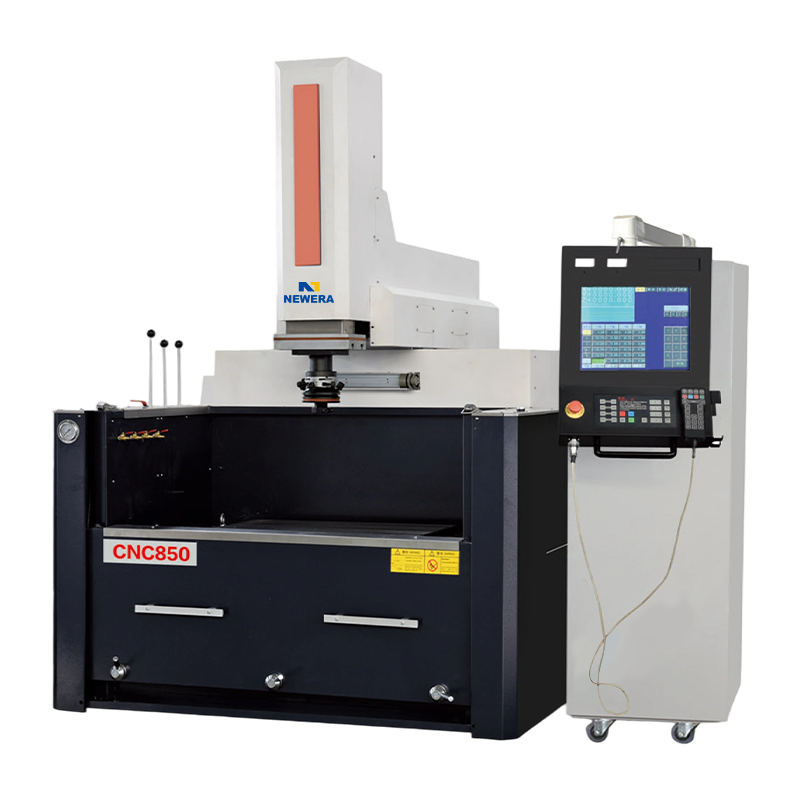
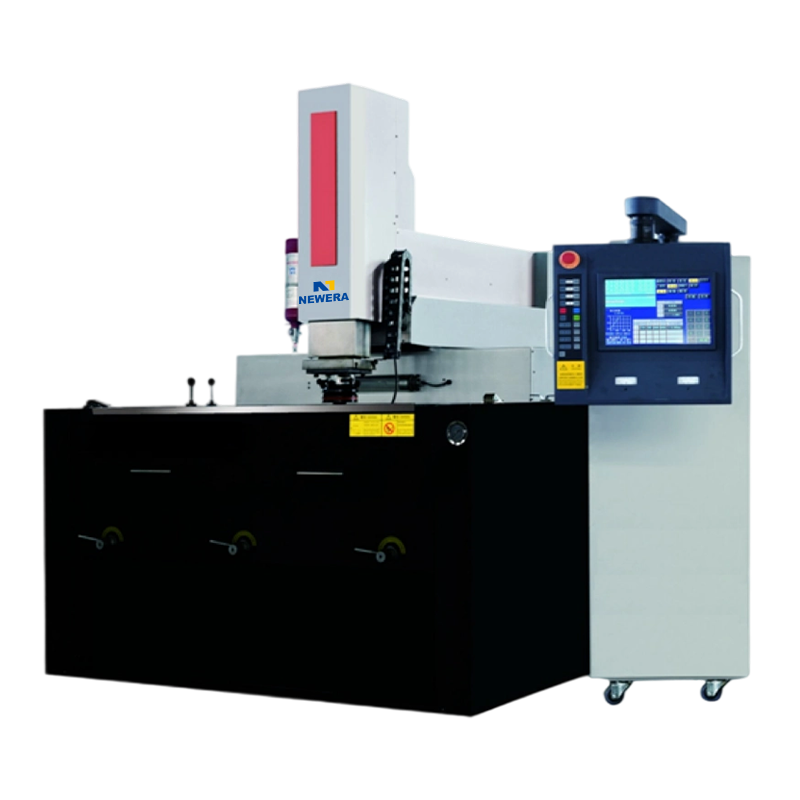
If you are interested in our products, please consult us.
CONTACT DETAILS
Nantong New Era Technology Co., LTD
- Five-star Industrial Park, Chongchuan District, Nantong City, Jiangsu Province, China
- TEL:+86-19851302688
- E-Mail: [email protected]
Products
Quick link
Mobile terminal
