

 русский
 عربى
عربى
Industry News
Home / News / Industry News / Is a CNC EDM Die Sinking Machine the Best Choice for High-Precision Mold Manufacturing?
Is a CNC EDM Die Sinking Machine the Best Choice for High-Precision Mold Manufacturing?
 2026.02.06
 Industry News
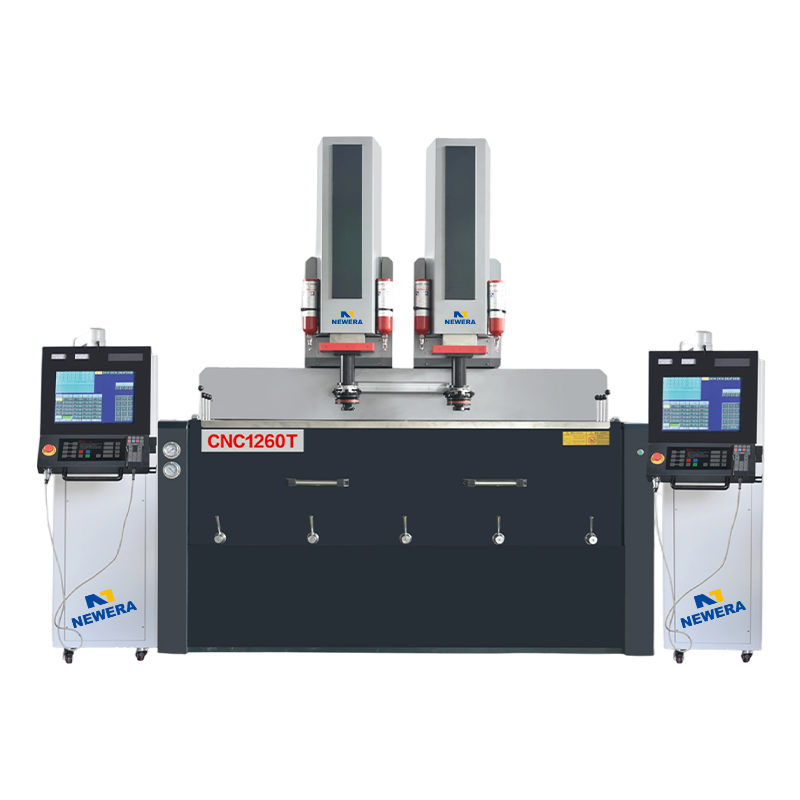
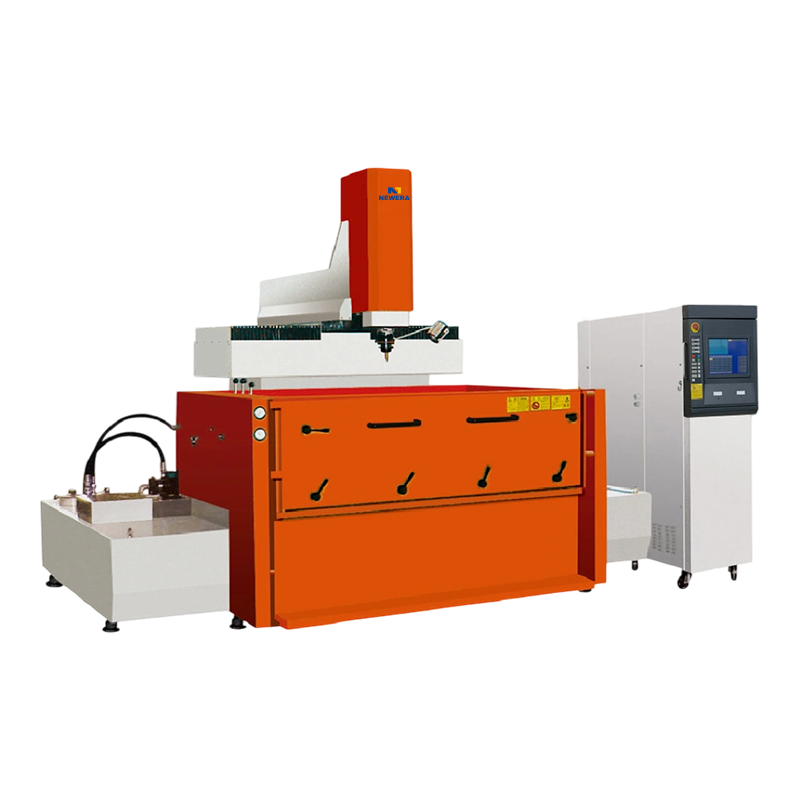
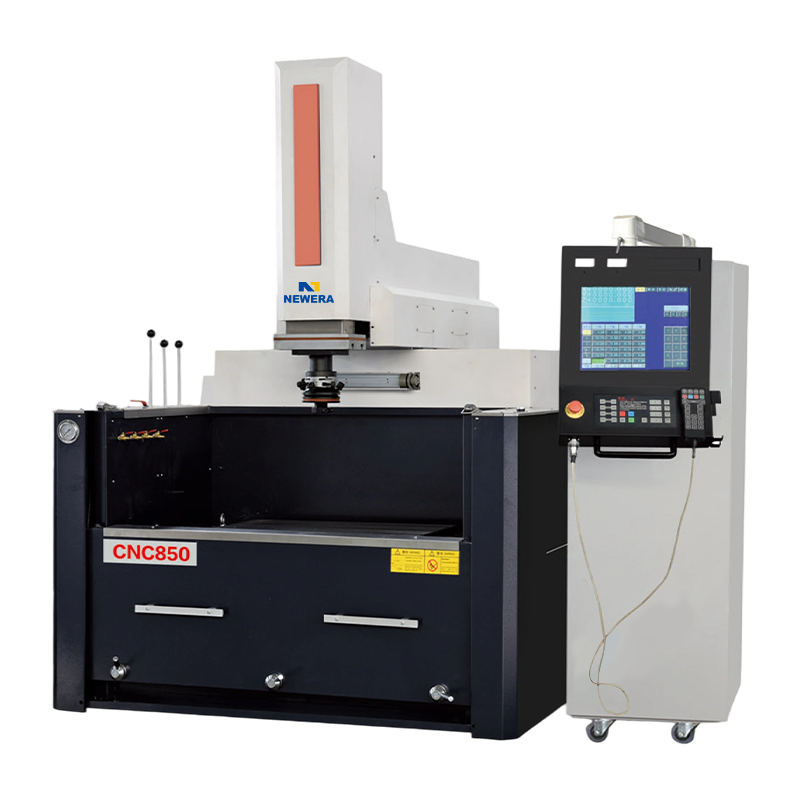
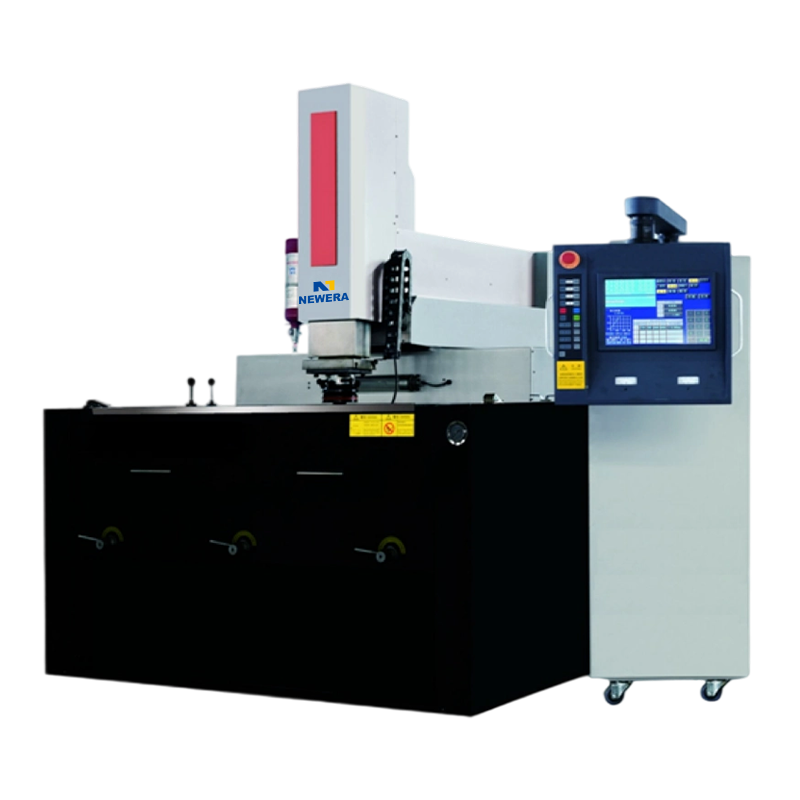
A CNC EDM Die Sinking Machine is one of the most accurate and stable solutions for machining complex cavities, deep ribs, and hardened materials, delivering precision up to ±0.005 mm and surface finishes as low as Ra 0.2 μm. For mold makers, aerospace suppliers, and precision part manufacturers, it offers unmatched geometric flexibility and consistent quality. Below, we explore why this technology is widely adopted and how to select the right machine for your production needs.
Content
- 1 What Is a CNC EDM Die Sinking Machine and How Does It Work?
- 2 Why Choose CNC EDM Die Sinking Over Traditional Machining?
- 3
- 4 Which Industries Benefit Most from CNC EDM Die Sinking Machines?
- 5 What Key Specifications Should You Focus On?
- 6 How Can CNC EDM Die Sinking Improve Production Efficiency?
- 7 FAQ About CNC EDM Die Sinking Machines
What Is a CNC EDM Die Sinking Machine and How Does It Work?
A CNC EDM Die Sinking Machine removes material using controlled electrical discharges between a shaped electrode and the workpiece submerged in dielectric fluid. Instead of physical cutting, it relies on thermal erosion, which makes it ideal for machining hardened steel, carbide, and exotic alloys.
Core Working Principle
- High-frequency electrical pulses generate sparks
- Localized temperatures reach 8,000–12,000°C
- Material melts and vaporizes in micro-layers
- Dielectric fluid flushes debris and stabilizes the gap
Why Choose CNC EDM Die Sinking Over Traditional Machining?
Compared to milling or grinding, CNC EDM Die Sinking Machines provide superior performance when dealing with complex shapes and ultra-hard materials.
| Feature | CNC EDM Die Sinking | Traditional Milling |
|---|---|---|
| Material Hardness Limit | Up to 65+ HRC | Usually below 50 HRC |
| Shape Complexity | Excellent for deep cavities | Limited by tool access |
| Tool Wear | No mechanical cutting wear | High on hard materials |
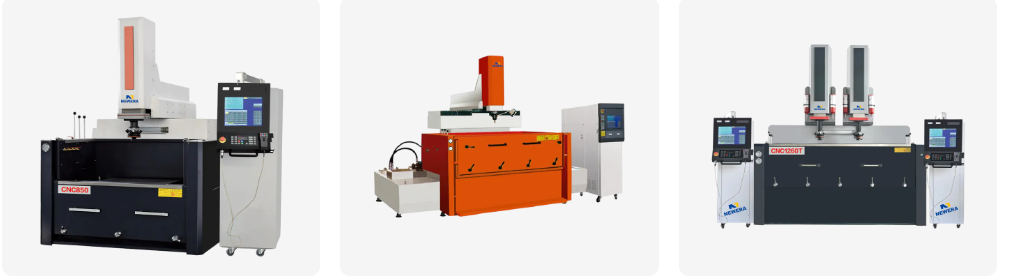
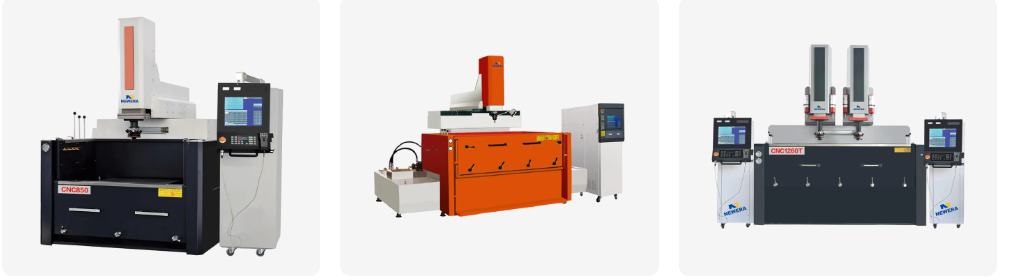
Which Industries Benefit Most from CNC EDM Die Sinking Machines?
This technology is essential in industries that demand extreme precision and complex mold geometry.
- Injection mold manufacturing
- Automotive die and stamping tools
- Aerospace turbine component molds
- Medical device mold inserts
For example, in injection molding, EDM can produce rib structures thinner than 0.3 mm with consistent dimensional stability.
What Key Specifications Should You Focus On?
Selecting the right CNC EDM Die Sinking Machine depends on production volume, mold size, and required accuracy.
Important Parameters
- Positioning accuracy: ±0.005 mm or better
- Max electrode load: typically 50–300 kg
- Servo control response speed
- Automatic tool changer compatibility
How Can CNC EDM Die Sinking Improve Production Efficiency?
Modern CNC EDM Die Sinking Machines integrate intelligent control systems and adaptive discharge monitoring. These features can reduce machining time by 20–35% compared with older manual EDM systems.
Automated electrode changing and real-time gap control also minimize operator intervention, improving repeatability and reducing scrap rates.
FAQ About CNC EDM Die Sinking Machines
Can CNC EDM Die Sinking Machines cut hardened steel?
Yes. They can machine materials above 60 HRC without tool breakage or performance loss.
Is surface finishing required after EDM machining?
In most mold applications, fine EDM settings achieve surface roughness below Ra 0.4 μm, reducing or eliminating polishing requirements.
What is the typical maintenance cost?
Annual maintenance usually accounts for 2–4% of the machine purchase cost, mainly covering dielectric filtration and electrode consumables.
Is CNC EDM Die Sinking suitable for small workshops?
Yes. Compact models with footprints under 2 m² are widely used by small and medium mold shops.
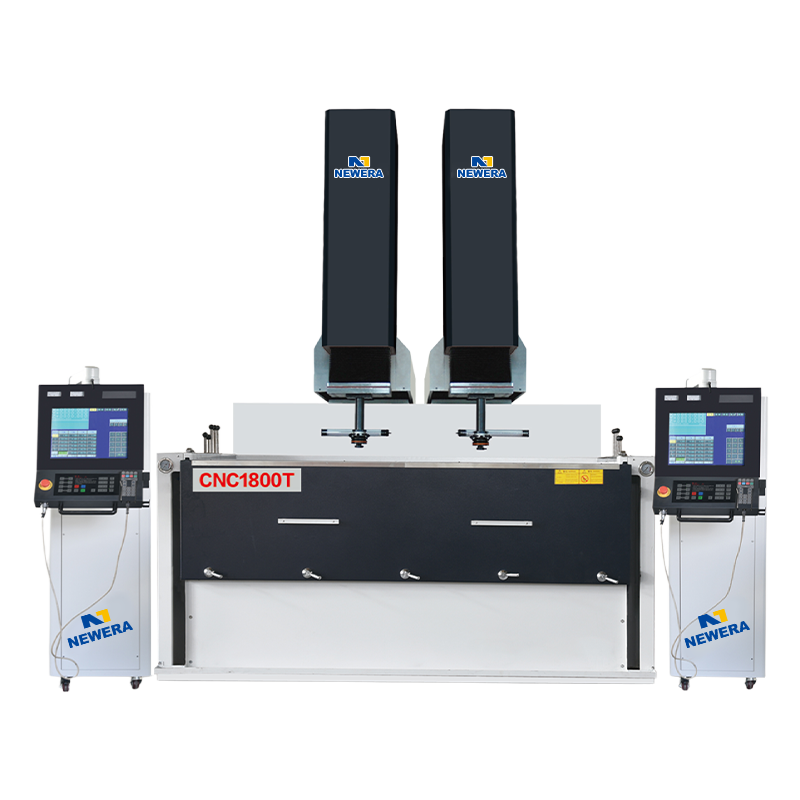
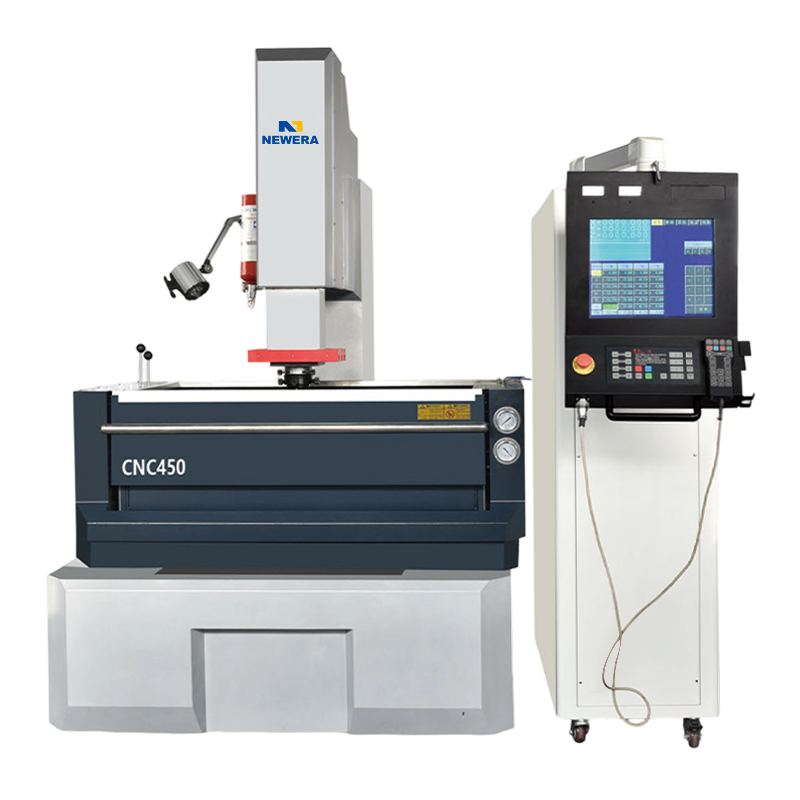
If you are interested in our products, please consult us.
CONTACT DETAILS
Nantong New Era Technology Co., LTD
- Five-star Industrial Park, Chongchuan District, Nantong City, Jiangsu Province, China
- TEL:+86-19851302688
- E-Mail: [email protected]
Products
Quick link
Mobile terminal
