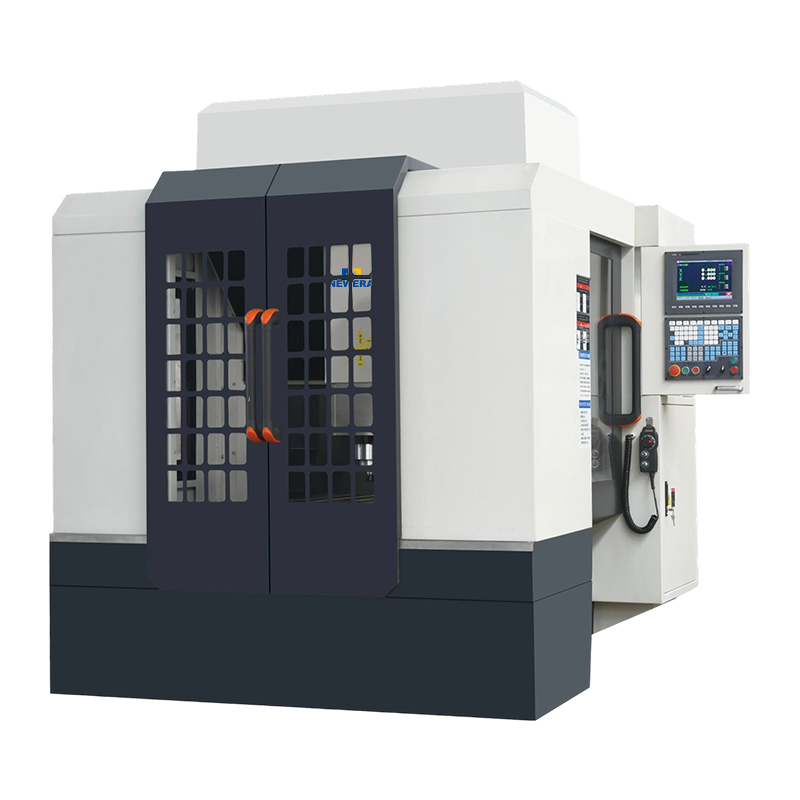
A graphite engraving and milling machine is a CNC machine tool specifically designed for processing graphite and graphite composite materials. It is widely used in mold manufacturing, the electronics industry, aerospace, and other precision machining fields. Graphite, due to its excellent electrical conductivity, high-temperature resistance, and ease of machining, is an ideal material for manufacturing precision components such as electronic components and spark plug molds. To meet the processing needs of graphite materials, graphite engraving and milling machines feature a special structural design and a high-precision control system, enabling them to accurately complete tasks such as engraving, milling, and drilling of graphite workpieces.
1. Working Principle of Graphite Engraving and Milling Machines
The working principle of graphite engraving and milling machines is similar to that of ordinary CNC engraving and milling machines. It primarily uses a CNC system to precisely control the movement of each axis of the machine tool, thereby completing the engraving and milling processing of graphite workpieces. The difference lies in the fact that graphite engraving and milling machines are optimized in design for the characteristics of graphite materials to improve processing accuracy and efficiency.
Graphite engraving milling machines use high-precision CNC systems (such as FANUC and Siemens) to control the movement of the X, Y, and Z axes and the spindle. The operator designs a 3D model of the workpiece using Computer-Aided Design (CAD) software and generates a machining program using Computer-Aided Manufacturing (CAM) software, converting the design into CNC instructions that the machine tool can execute.
Due to graphite's good machinability and relatively brittle nature, graphite engraving milling machines use special milling cutters and high cutting speeds for machining. The machine tool precisely controls the feed rate and depth of cutter to ensure that the graphite material does not overheat or crack.
Graphite engraving milling machines are typically equipped with a powerful chip removal system to effectively remove chips generated during machining. Graphite dust is very fine, and the chip removal system prevents the accumulation of fine graphite dust, ensuring the machine tool's accuracy and the cleanliness of the environment.
2. Advantages and Features of Graphite Engraving Milling Machines
(1) High-Precision Machining
Graphite engraving milling machines employ high-precision CNC control systems and servo drive systems, which can precisely control each cutting step, ensuring machining accuracy. Whether it's carving micron-level details or complex geometric shapes, graphite engraving milling machines can guarantee precise machining results, meeting various high-requirement applications.
(2) Optimized Design for Graphite Materials
The design of graphite engraving milling machines is optimized for the machining characteristics of graphite materials. Graphite is a brittle material, prone to breakage and dust generation during processing. Therefore, the machine tool design employs a special rigid structure and a high-speed spindle to ensure efficient and stable machining.
(3) High-Efficiency Dust Removal System
Graphite processing generates a large amount of dust. Ordinary CNC machine tools may cause equipment damage or environmental pollution when processing graphite. Graphite engraving milling machines are equipped with a powerful chip removal and dust collection system, which can effectively remove graphite dust generated during processing, maintaining machine tool stability and workpiece machining accuracy, while also protecting the health of operators.
(4) Stable Machining Performance
Due to the characteristics of graphite materials, graphite engraving milling machines typically employ a more robust machine body structure and a high-rigidity guideway system to avoid accuracy fluctuations caused by vibration during processing. Furthermore, the high-speed feed system enables efficient cutting, improving production efficiency.
(5) Multifunctionality and Flexibility
Graphite engraving milling machines can not only perform traditional milling operations, but also complete complex processes such as engraving, drilling, and tapping. They are widely used in mold manufacturing, electronic component processing, aerospace, and many other fields, demonstrating strong adaptability and the ability to handle various complex workpieces.
3. Maintenance Points of Graphite Engraving and Milling Machine
Regular maintenance is crucial to ensure the long-term stable operation of the graphite engraving and milling machine. Here are some key maintenance points:
(1) Regular Cleaning and Dust Removal
Since graphite generates a large amount of dust during processing, the machine tool should be cleaned regularly, especially components such as the spindle, guide rails, and lead screw. For the chip removal system, it is necessary to regularly check for blockages to ensure smooth chip removal and prevent graphite dust accumulation from affecting machine tool accuracy.
(2) Checking and Replacing Lubricating Oil
The moving parts of the graphite engraving and milling machine (such as lead screws and guide rails) need regular inspection and lubrication. The lubricating oil should be replaced according to the manufacturer's recommended cycle to avoid wear due to insufficient lubrication. Using appropriate lubricating oil can improve the machine tool's operational stability and extend its lifespan.
(3) Checking the Spindle and Cutting Tools
The spindle is one of the core components of the graphite engraving and milling machine. Regularly check the spindle for abnormal noises or vibrations, and inspect its bearings and cooling system. For milling cutters, their sharpness should be checked regularly, and severely worn cutters should be replaced promptly to avoid affecting machining quality.
(4) Calibration and Adjustment
After prolonged use, machine tools may experience accuracy deviations, therefore, regular calibration is necessary. Use professional measuring tools to check the positioning accuracy of the X, Y, and Z axes to ensure the machine tool still meets machining requirements. For high-precision engraving tasks, regular calibration is crucial.
(5) Prevention of Overload and Overheating
During long-term continuous machining, the spindle and drive system of the graphite engraving milling machine may overheat due to high load operation. Therefore, during high-load operation, the machine tool temperature should be monitored to prevent overload operation. Especially when cutting hard graphite materials, ensure the proper functioning of the tool and spindle cooling systems.
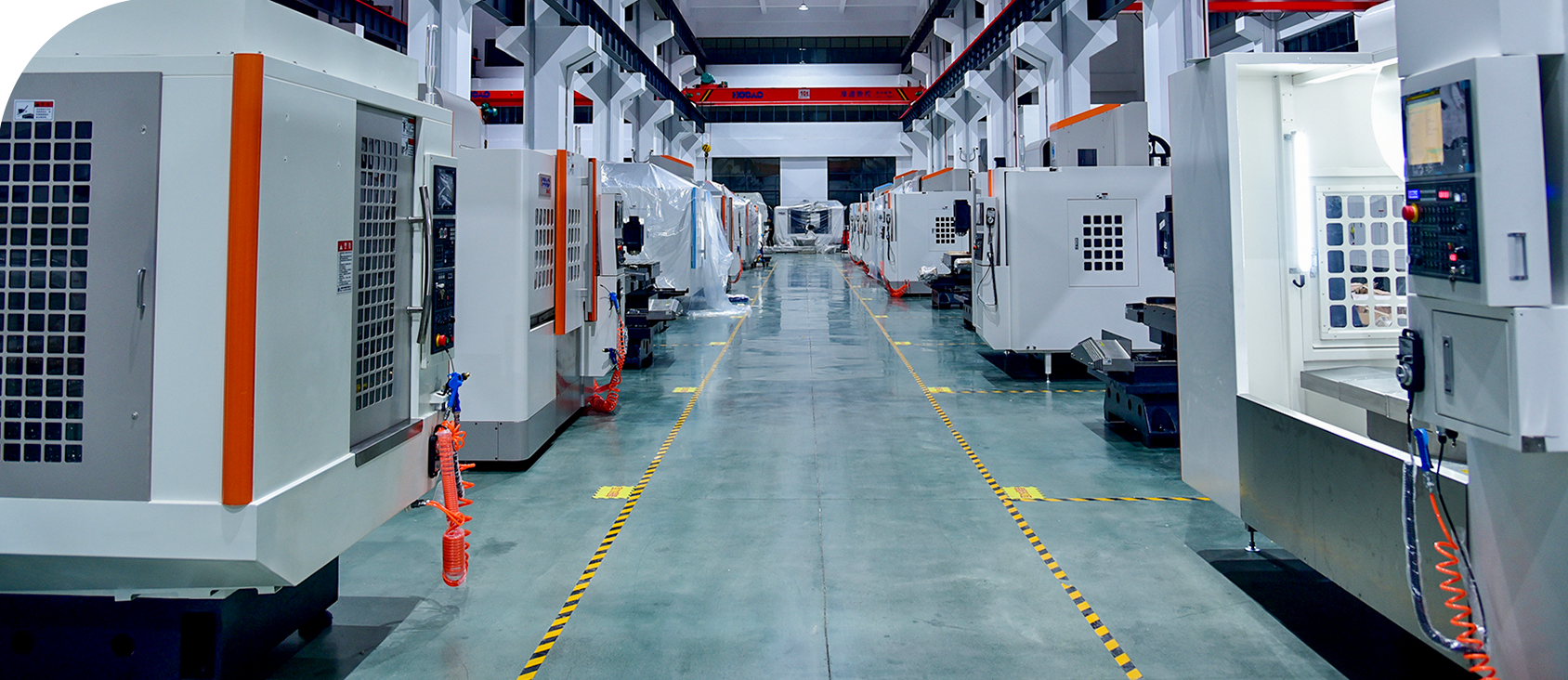
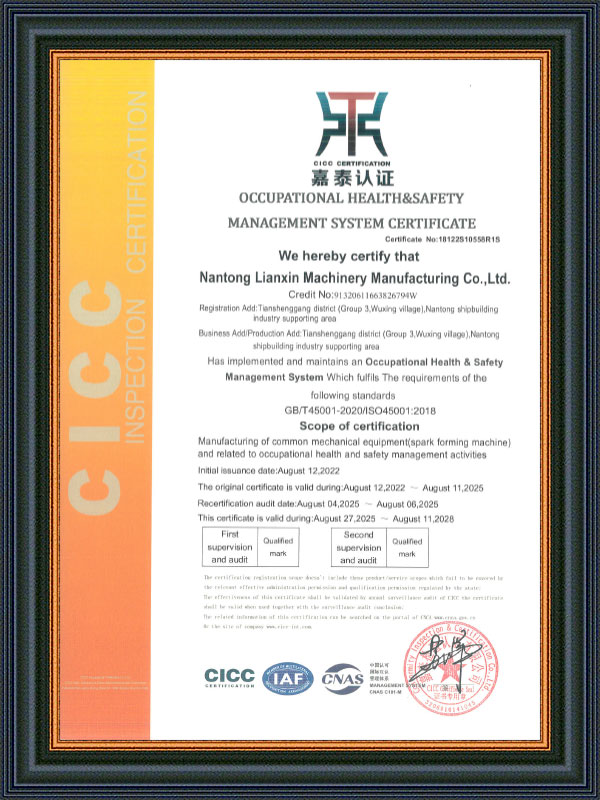
Graphite engraving milling machines, with their high precision, high efficiency, and strong adaptability, have become important tools in the graphite processing industry. Their special design for graphite materials, such as efficient dust removal systems, stable machining performance, and precise control systems, enable them to provide excellent performance in various complex machining tasks. As a professional OEM Graphite Engraving and Milling Machine Manufacturers and ODM Graphite Engraving and Milling Machine Factory, New Era has continuously obtained the advanced scientific and technological achievements at home and abroad, and has now developed into a professional manufacturer with a complete production and mounting center.



 русский
 عربى
عربى