

 русский
 عربى
عربى
Industry News
Home / News / Industry News / Main Advantages and Operating Techniques of Vertical Machining Centers
Main Advantages and Operating Techniques of Vertical Machining Centers
 2025.12.16
 Industry News
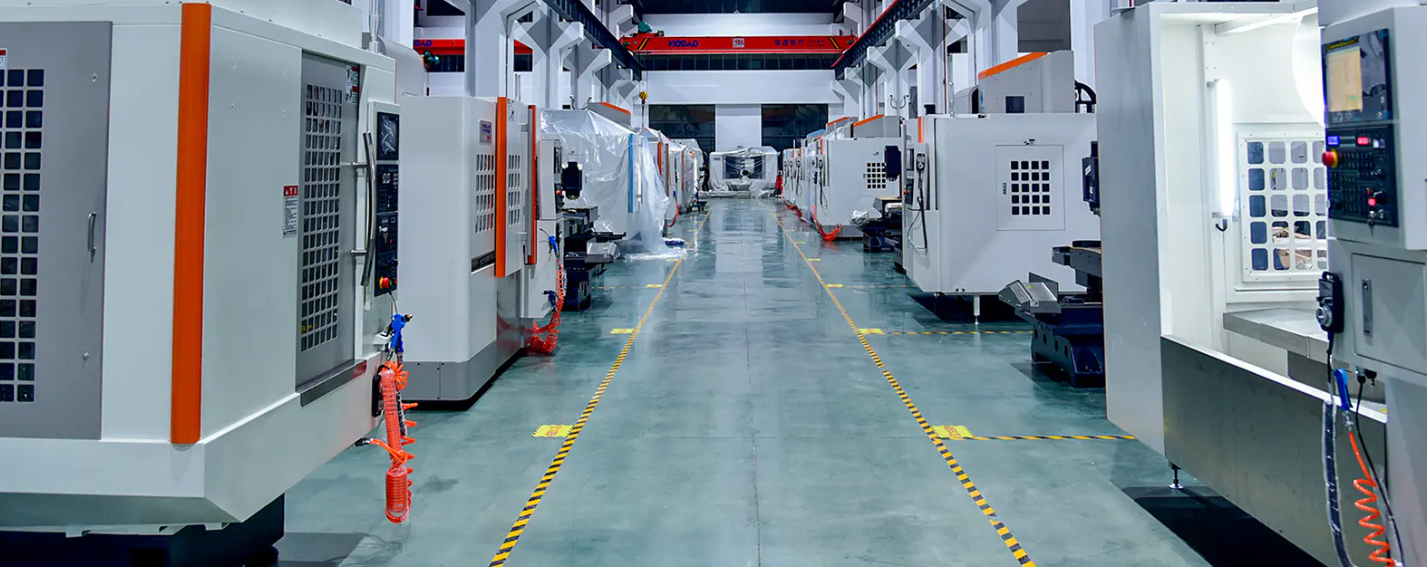
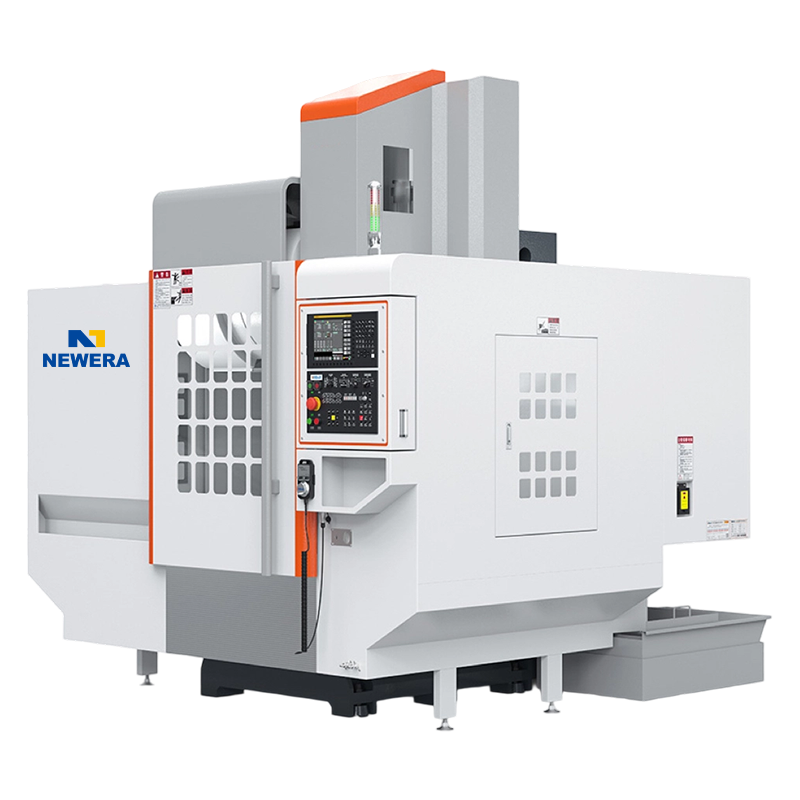
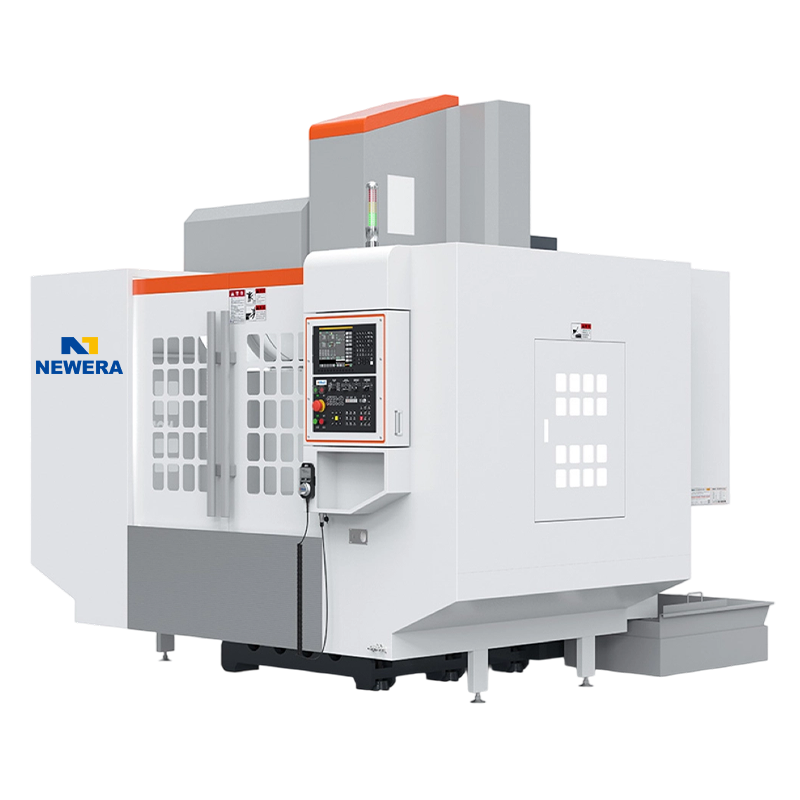
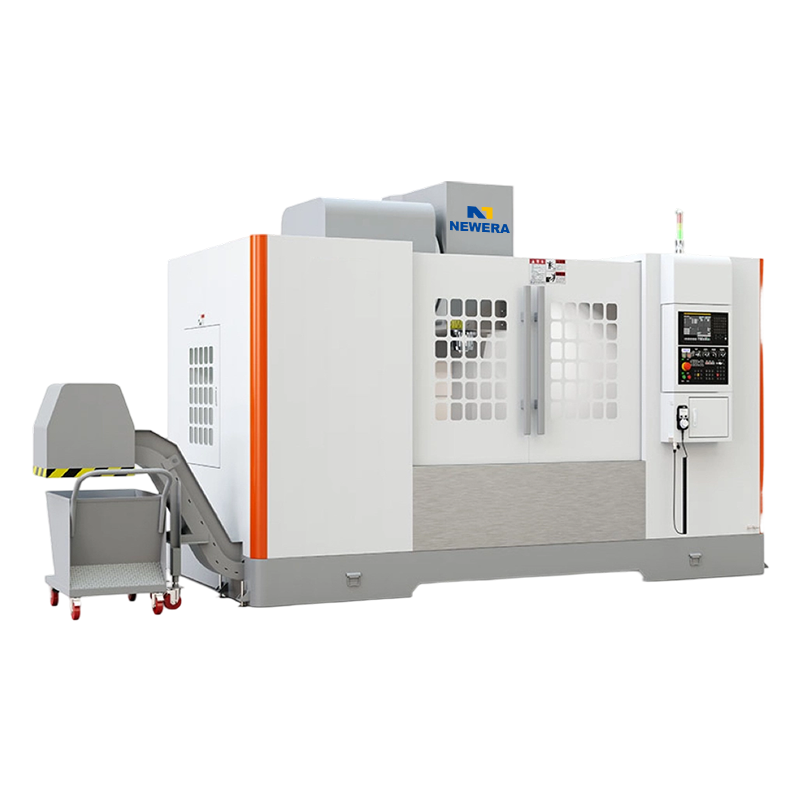
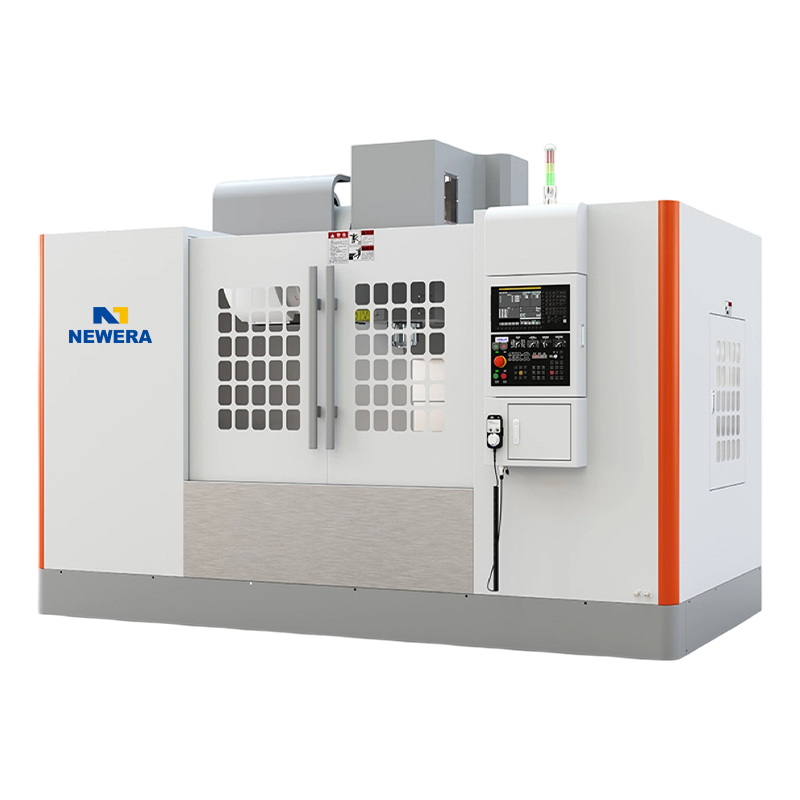
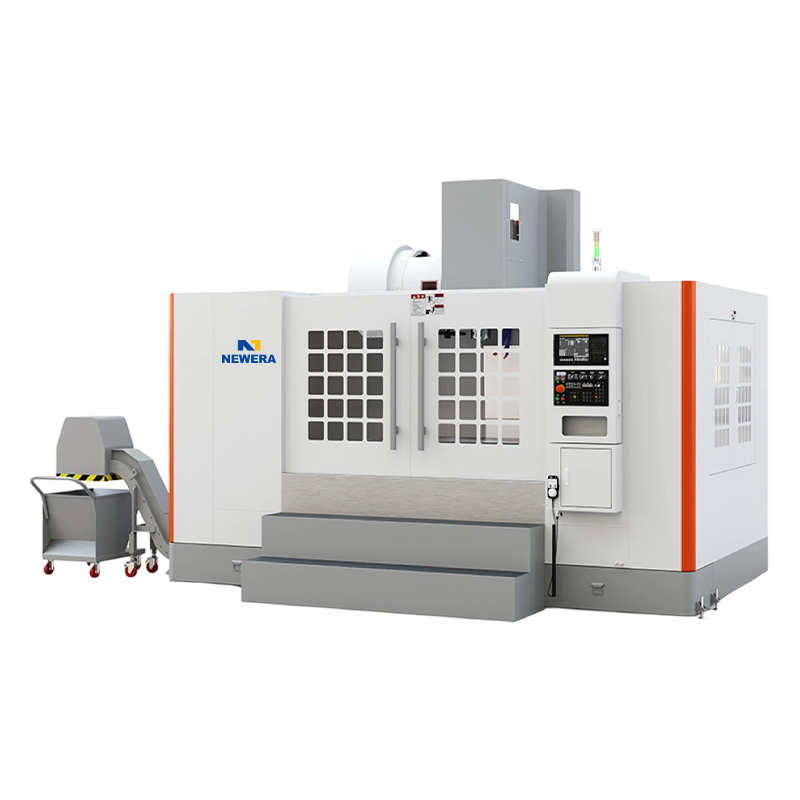
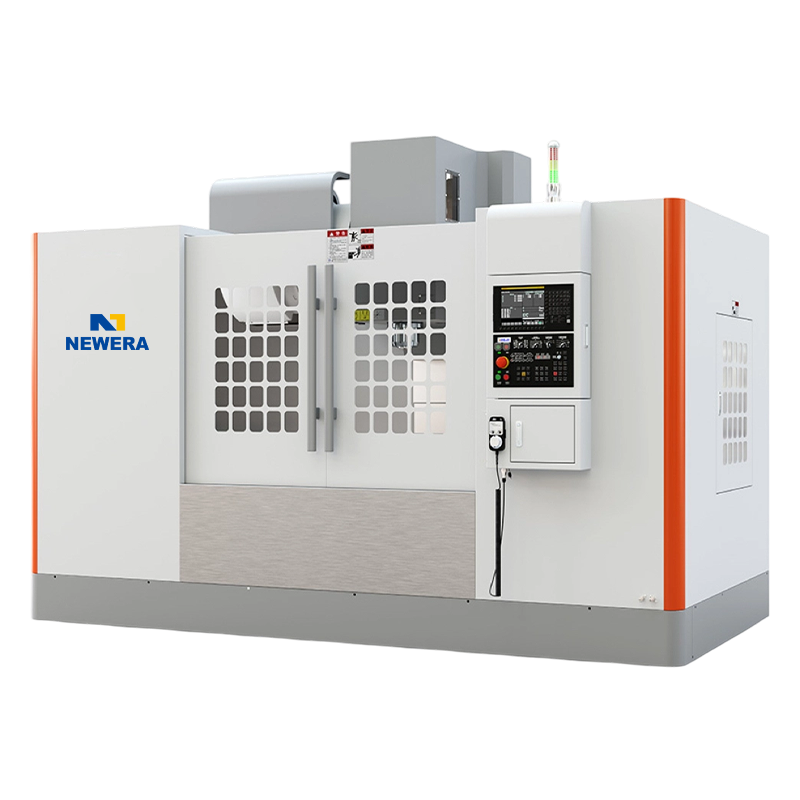
In modern manufacturing, machining centers are indispensable equipment in production lines, especially vertical machining centers (VMC), which are widely used in metal cutting, mold manufacturing, and the processing of complex parts due to their high precision and efficiency. Vertical machining centers have become the preferred processing tool in many industrial fields due to their unique structure and operational advantages.
1. Main Advantages of Vertical Machining Centers
(1) High Machining Accuracy
Vertical machining centers use a vertical tool feed method, which typically provides higher machining accuracy. The vertical spindle configuration ensures perpendicular contact between the tool and the workpiece during processing, resulting in even distribution of cutting forces and effectively reducing machining errors. For high-precision component processing, such as in aerospace, medical devices, and automotive parts, vertical machining centers are an ideal choice.
(2) Improved Production Efficiency
Vertical machining centers are equipped with advanced CNC systems, enabling automatic rapid tool changes, tool compensation, and complex path programming, which significantly improves production efficiency. During processing, operators can complete complex machining tasks through automated operations, saving a considerable amount of manual labor. Coupled with high-speed spindles and powerful feed systems, vertical machining centers can complete high-precision, high-quality machining tasks in a short time.
(3) Flexible Machining Capabilities
Vertical machining centers can perform various machining operations such as milling, drilling, boring, and tapping. Because the machining surface can be quickly adjusted by the tool, vertical machining centers are highly adaptable to workpieces of different shapes and sizes. Their machining capabilities are suitable not only for mass production but also for single-piece and small-batch production, demonstrating unique advantages, especially when processing complex parts.
(4) Easy Operation and Maintenance
Compared to other types of machining centers, vertical machining centers have a relatively simple operating interface. Most CNC systems have been optimized, allowing operators to set up and control the machine with simple commands. In addition, the structural design of vertical machining centers is generally simpler, making them easier to repair and maintain. For routine maintenance, operators can ensure efficient machine operation by checking conventional items such as the spindle, cooling system, and electrical control system.
(5) High Space Utilization
The vertical arrangement of the spindle in a vertical machining center means the machine occupies less floor space, making it particularly suitable for workshops with limited space. Compared to horizontal machining centers, vertical machining centers can complete more machining tasks in a smaller space, improving the space utilization efficiency of the workshop.
2. Operating Techniques for Vertical Machining Centers
To fully utilize the advantages of vertical machining centers, operators need to master some basic operating techniques to improve machining efficiency and accuracy. Here are some common operating techniques:
(1) Rational Selection of Cutting Parameters
When using a vertical machining center, the rational selection of cutting speed, feed rate, tool diameter, and other parameters is crucial for machining quality. Different materials, tools, and workpiece characteristics determine the optimal range of cutting parameters. For example, for materials with higher hardness, the cutting speed and feed rate should be appropriately reduced to avoid excessive tool wear.
(2) Correct Setting of Workpiece Clamping Devices
Workpiece clamping is key to ensuring machining accuracy. Using unsuitable fixtures or insufficient clamping force may cause the workpiece to move during machining, thus affecting machining accuracy. When installing the workpiece, ensure that the contact surface between the fixture and the workpiece is flat, and select the appropriate clamping method according to the shape of the workpiece. Using automatic clamping systems or pneumatic fixtures can improve clamping efficiency and stability.
(3) Regular Inspection and Adjustment of Tools
The selection and maintenance of tools directly affect machining quality and efficiency. During machining, tool wear will increase the cutting force, which in turn affects machining accuracy. Therefore, operators should regularly check the tool wear and replace or regrind the tools as needed. At the same time, correctly setting the cutting angle and installation position of the tool can effectively reduce vibrations generated during the cutting process and improve the surface quality of the machined part.
(4) Optimizing Machining Paths
The CNC system of a vertical machining center supports complex path programming. Through rational path planning, machining efficiency can be greatly improved, reducing unnecessary time waste. For example, when machining multiple identical parts, rationally arranging the tool's movement path and avoiding unnecessary tool movements can significantly increase machining speed. In addition, avoiding excessive tool changes and unnecessary downtime is also an important factor in improving production efficiency.
(5) Maintaining Machine Tool Cleanliness and Maintenance
Keeping the machine tool clean and well-maintained not only extends its service life but also maintains machining accuracy. Regularly clean dust, oil, and chips from the inside and outside of the machine tool, ensure sufficient coolant and lubricating oil, and inspect the electrical control system to prevent production stoppages due to minor mechanical failures. Regular maintenance of the vertical machining center can significantly reduce unexpected failures and improve production stability.
Vertical machining centers, with their high precision, high efficiency, and flexible machining capabilities, occupy an important position in modern manufacturing. Whether for mass production or customized machining of complex parts, vertical machining centers can meet various needs. By rationally selecting cutting parameters, precisely installing workpieces, regularly maintaining tools and the machine tool, and optimizing machining paths, operators can maximize production efficiency and ensure machining accuracy.
If you are interested in our products, please consult us.
CONTACT DETAILS
Nantong New Era Technology Co., LTD
- Five-star Industrial Park, Chongchuan District, Nantong City, Jiangsu Province, China
- TEL:+86-19851302688
- E-Mail: [email protected]
Products
Quick link
Mobile terminal
