

 русский
 عربى
عربى
Industry News
Home / News / Industry News / CNC Surface Grinding Machine: The Complete Buying Guide for Precision Grinding
CNC Surface Grinding Machine: The Complete Buying Guide for Precision Grinding
 2026.08.20
 Industry News
Your latest quotation calls for flat, parallel surfaces on 20-inch-wide, 60-inch-long steel plates, and the tolerance is measured in tenths of a thousandth of an inch. The CNC surface grinding machine you install for that job will decide whether the order generates profit or a pile of rejected parts.
After more than 20 years of building precision machine tools, we give every buyer the same advice in four points: check table capacity first, then flatness capability, then control type, and finally the manufacturer's long-term support. Once those four are right, the remaining details are easy to settle.
That advice comes from direct experience. At Nantong New Era Technology, we have designed and produced CNC surface grinding machines alongside our EDM and machining center lines, so we see how these machines behave in mold shops, part plants, and toolrooms across different markets.
Content
- 1 What a CNC Surface Grinding Machine Does
- 2 How to Choose the Right CNC Surface Grinder
- 3 What Precision Can You Expect?
- 4 CNC vs. Manual and Hydraulic Surface Grinders
- 5 Applications We See Every Day
- 6 Budgeting and Long-Term Value
- 7 CNC Surface Grinding Machine FAQ
- 7.1 What is a CNC surface grinding machine?
- 7.2 What is the difference between a surface grinder and a cylindrical grinder?
- 7.3 How much does a CNC surface grinding machine cost?
- 7.4 What surface finish can a surface grinding machine achieve?
- 7.5 What is the difference between a horizontal spindle and vertical spindle surface grinder?
- 7.6 How do I maintain a surface grinding machine?
What a CNC Surface Grinding Machine Does
A CNC surface grinding machine removes material with a rotating abrasive wheel to create a flat, parallel, smooth reference plane. The workpiece is held on an electromagnetic chuck that sits on a reciprocating table; the table shuttles back and forth under the wheel while the wheel head feeds down in controlled increments. In a CNC machine, the table traverse, cross-feed position, vertical down-feed, dressing cycles, and wheel-wear compensation are executed automatically from a part program.
The structure is simple in concept but demanding in practice: every component has to resist deflection and heat if the final surface is to be truly flat. The labeled diagram below shows the key elements of a typical configuration.
Figure 1. Isometric schematic of a CNC surface grinder: 1 machine bed, 2 table with magnetic chuck and workpiece, 3 grinding wheel and guard, 4 wheel head and spindle, 5 CNC control panel, 6 column with vertical guideways.
Most Common Machine Configurations
- Horizontal-spindle, reciprocating-table surface grinder — the standard choice for precision flat grinding in tool rooms and production shops.
- Vertical-spindle surface grinder — uses the face of a cup wheel or segmental wheel for fast stock removal across large work areas.
- Rotary-table surface grinder — continuously passes the work under the wheel, suited to round or annular parts.
Across these types, the horizontal-spindle reciprocating-table machine remains the workhorse because it balances precision, rigidity, and cost.
How to Choose the Right CNC Surface Grinder
Buyers regularly ask for one universal specification, but there is no single answer. A die-plate job, a batch of precision wear plates, and a long-run production part each favor a different machine. Work through these six points in order:
- Table and travel envelope. The table must carry your longest workpiece and still leave room for wheel over-travel.
- Spindle power and wheel size. More power removes stock faster, but the wheel head must stay rigid.
- Flatness and parallelism. Check the acceptance values over the full grinding length, not just a short test piece.
- Control level. Select manual, program-controlled, or full CNC according to your batch pattern and operator skills.
- Automation and accessories. Automatic wheel dressing, coolant filtration, and a magnetic chuck save hours in production.
- Build quality and service. Cast machine base, guideway design, and the maker's ability to supply spare parts matter more than the paint.
| Machine class | Operator workload | Batch size | Repeatability | Typical use |
|---|---|---|---|---|
| Manual precision surface grinder | High | One-offs | Operator dependent | Tool room, mold repair |
| Hydraulic rectangular-table grinder | Medium | Medium | Good | Flat plates, die steel |
| Program-controlled surface grinder | Low to medium | Medium to large | High | Batch production, automatic dressing |
| Full CNC surface grinder | Programming skill | Small to large | Very high | Complex cycles, unattended runs |
If your work involves frequent batch changes, a program-controlled surface grinding machine line offers a practical middle ground: stored grinding cycles handle setup quickly, while automatic dressing keeps the wheel in a consistent cutting state.
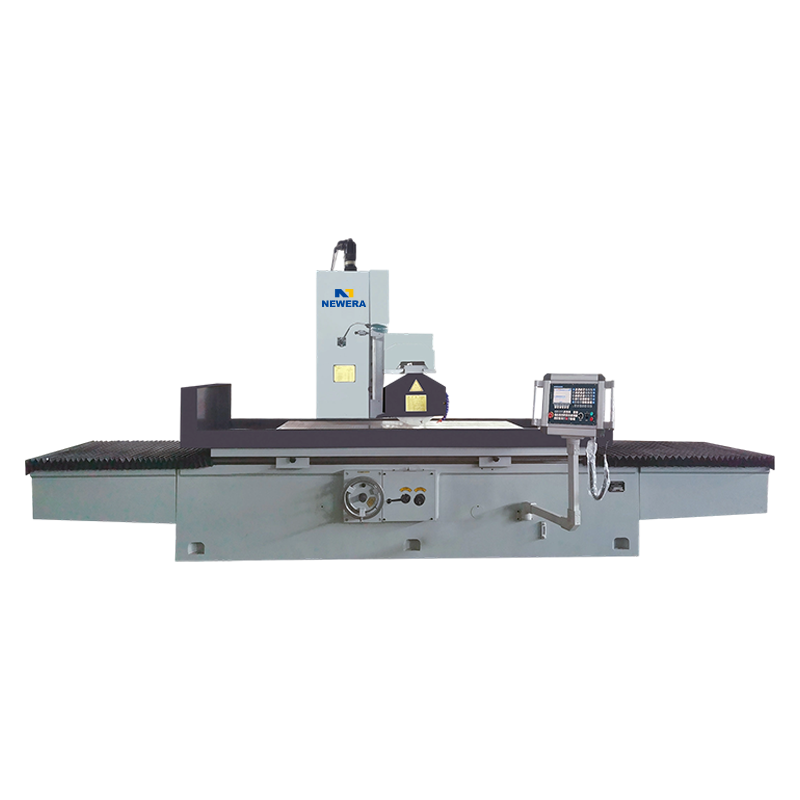 CKM7140/7150/7163/7180 Program Controlled Surface Grinding Machine ManufacturersNantong New Era Technology Co., Ltd is China OEM/ODM CKM7140/7150/7163/7180 Program Controlled Surface Grinding Machine manufacturers and...View Product →
What Precision Can You Expect?
Flatness is the number buyers ask about first. A precision surface grinder in good condition normally holds flatness within 0.005 mm over 500 mm of grinding length, and high-precision machines improve that toward 0.003 mm. Parallelism between the two faces stays in the same order of magnitude. Surface finish is a separate parameter; the chart below shows typical mid-range Ra values for common finishing processes.
Figure 2. Mid-range Ra values for common finishing processes, based on typical machining handbook data; lower is smoother.
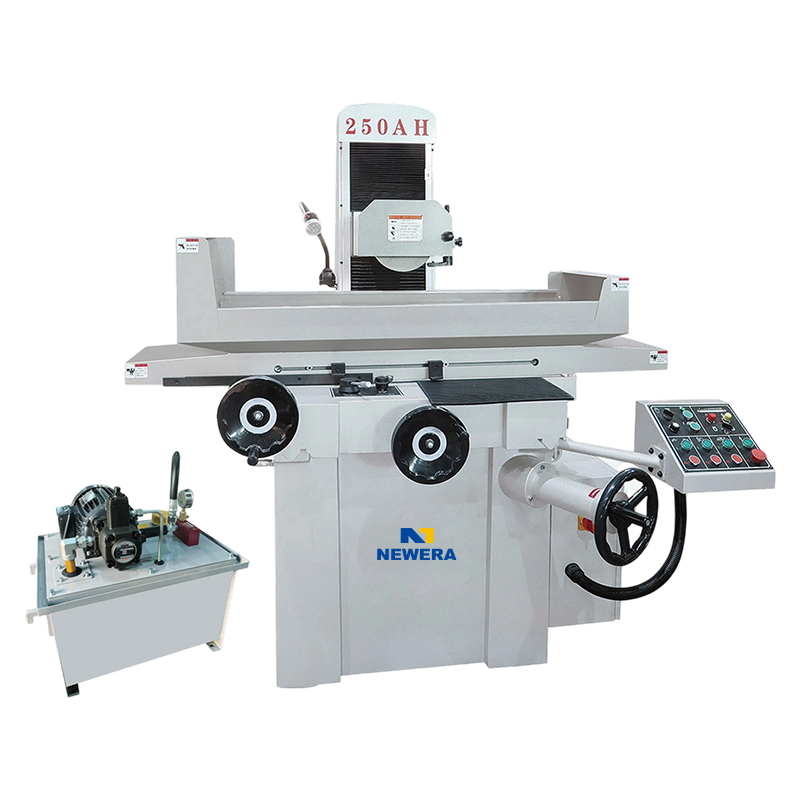
The same Ra value on two different machines can still hide differences in burn marks, wheel wear, and thermal stability. Controlled feed and automatic dressing influence those results as much as the spindle itself. For die and tooling work, our 250AH precision surface grinding machines combine fine down-feed steps with a rigid wheel head, which keeps this level of precision practical in a mid-sized tool room.
 250AH/250AHR/250AHD Precision Surface Grinding Machine Manufacturers, Company - Nantong New Era Technology Co., Ltd is China OEM/ODM 250AH/250AHR/250AHD Precision Surface Grinding Machine manufacturers and company,View Product →
CNC vs. Manual and Hydraulic Surface Grinders
On a manual surface grinder, quality depends on the operator's discipline: wheel dressing frequency, coolant flow, and down-feed judgment all shift part to part. Program-controlled and CNC machines move that responsibility to the control system. The measurable gains are the same in nearly every shop:
- Repeatable flatness from the first piece of a batch to the last.
- Automatic wheel dressing after a programmed number of passes.
- Shorter setup time when the same job returns.
- More stable surface finish regardless of shift changes.
Flatness capability also scales with part length. The chart below shows typical acceptance ranges for standard-grade and high-precision grinding across common grinding lengths.
Figure 3. Illustrative flatness acceptance ranges commonly found in surface grinder specification sheets; actual values depend on machine model and condition.
The bigger benefit is utilization. A CNC or program-controlled machine can run a complete dress-and-grind cycle with only light supervision, releasing your best machinist for setup and measurement work. The trade-off is the entry price and the need for someone who can program cycles.
Many shops do not need a full CNC controller to automate this far. The M7132 to M7180 horizontal-shaft rectangular-table surface grinders use powered table travel and cross-feed to reduce the physical workload while still allowing manual control, which makes them a natural step between bench grinding and full CNC.
 M7132/7140/7150/7163/7180-16 Horizontal Shaft Rectangular Table Surface GrindingNantong New Era Technology Co., Ltd is China OEM/ODM M7132/7140/7150/7163/7180-16 Horizontal Shaft Rectangular Table Surface Grinding Mac...View Product →
Applications We See Every Day
Surface grinders produce the flat reference surfaces that later operations build on. The industries that depend on them share a common need for precise datums:
- Mold and die: die blocks, mold plates, and inserts that must close and align within microns.
- Automotive: transmission plates, clutch separator plates, and brake faces.
- Aerospace: inspection fixtures and blade root reference blocks.
- Medical and electronics: precision spacers, sensor housings, and test fixtures.
In these shops, grinding is often the first operation after sawing because it creates the datum that all subsequent machining references. For practical tips and operating experience that go beyond the catalog, our industry news coverage of machine tool applications explains what to watch during installation, dressing, and setup.
Budgeting and Long-Term Value
Price tags are easy to compare; lifecycle costs are not. Four cost items determine what a surface grinder really costs you:
- Machine price. Table size and control level dominate this figure.
- Tooling. Wheel balancing stand, diamond dresser, coolant filter, and a good magnetic chuck.
- Installation and training. A CNC grinder is only as productive as the operator who programs it.
- Maintenance and spares. Guideway wear, hydraulic oil quality, and spindle bearings decide the machine's tenth-year accuracy.
In our experience, buyers who compare flatness acceptance values, guideway design, and control functions before looking at the price tag consistently end up with lower cost per ground part. A machine from a manufacturer with an in-house production and assembly center also gives you one place to go for answers, and that peace of mind is part of the value.
CNC Surface Grinding Machine FAQ
What is a CNC surface grinding machine?
A CNC surface grinding machine uses a rotating abrasive wheel to produce flat, parallel, smooth surfaces on metal parts. The CNC control automates table travel, cross-feed, down-feed, wheel dressing, and wear compensation, so the operator can reproduce the same result on every part.
What is the difference between a surface grinder and a cylindrical grinder?
A surface grinder produces flat surfaces on workpieces held on a reciprocating table, while a cylindrical grinder rotates the workpiece around its own axis to grind round outside or inside diameters. Both use abrasive wheels, but the machine kinematics and workholding are completely different.
How much does a CNC surface grinding machine cost?
The price is driven mainly by table size, spindle power, and control level. A small manual surface grinder is the cheapest entry point, while a full CNC machine with automatic dressing and coolant filtration represents a larger investment, but for batch production it usually pays back in labor saved and scrap reduced.
What surface finish can a surface grinding machine achieve?
Typical Ra values range from 0.2 to 0.8 µm for regular surface grinding. With fine dressing, balanced wheels, and stable coolant, precision machines can reach about 0.1 µm Ra, which covers most mold and tooling requirements.
What is the difference between a horizontal spindle and vertical spindle surface grinder?
A horizontal-spindle machine grinds with the wheel periphery and is the standard choice for high-precision flat surfaces; a vertical-spindle machine grinds with the wheel face, removes metal faster over large areas, and is preferred for heavy stock removal where finish is less critical.
How do I maintain a surface grinding machine?
Keep the magnetic chuck clean and de-magnetized after every job, flush coolant and check its concentration weekly, dress the wheel when it glazes, lubricate the ways on schedule, and check table flatness and down-feed accuracy periodically so small wear does not turn into scrap parts.
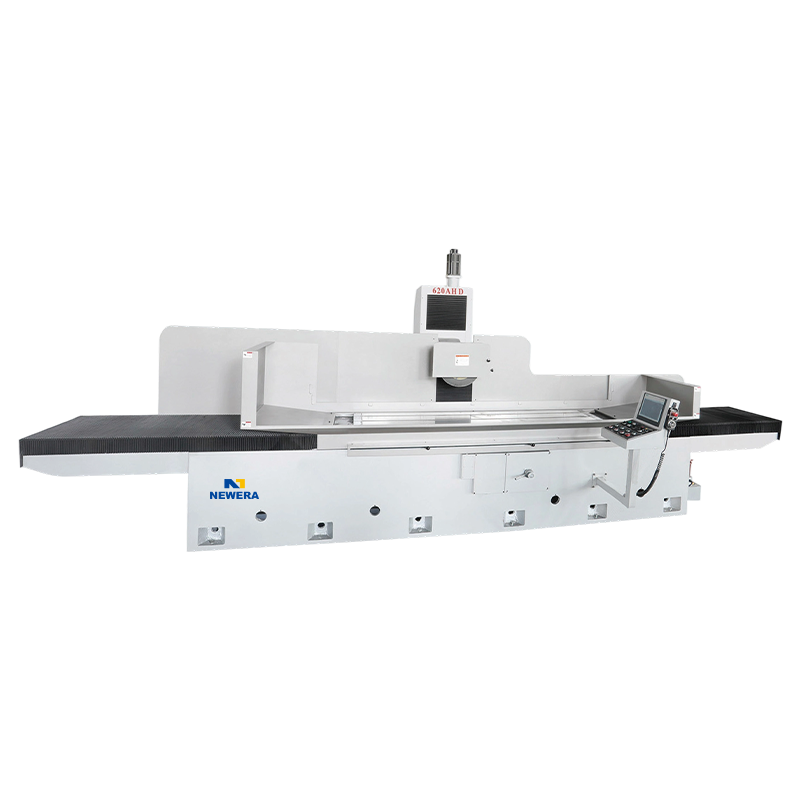
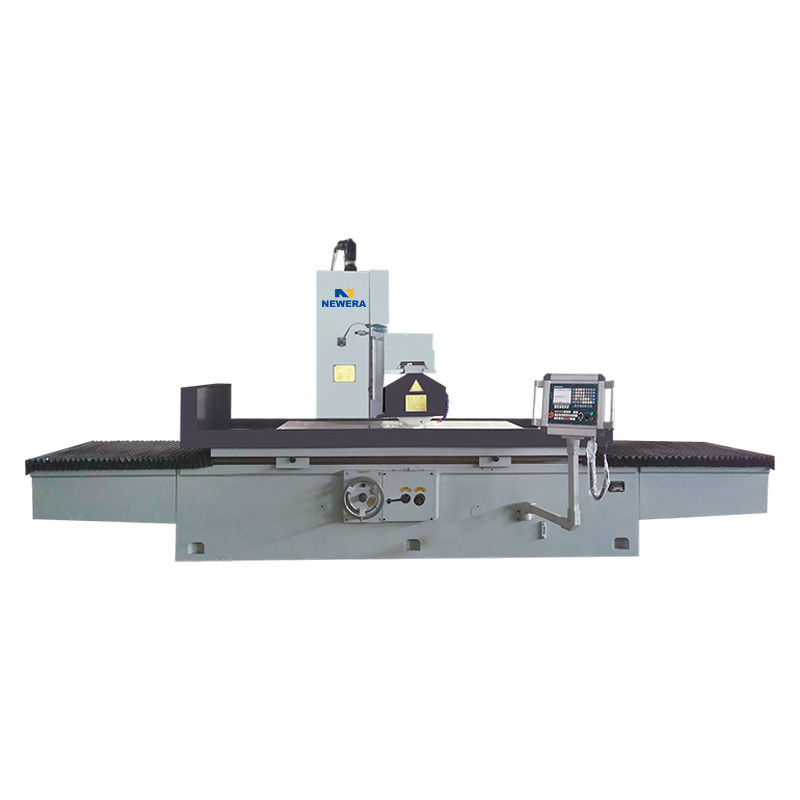
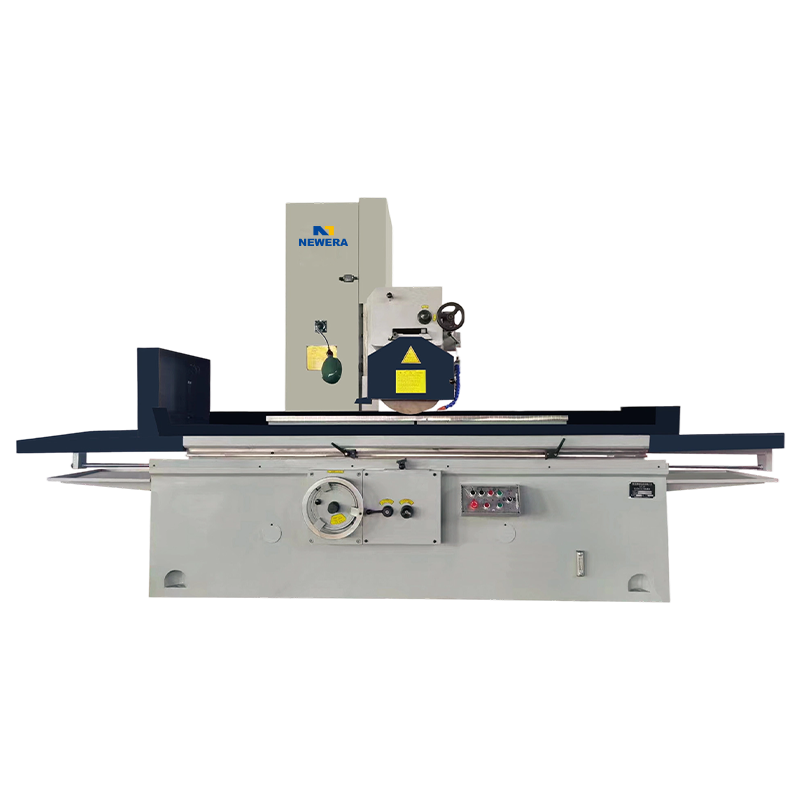
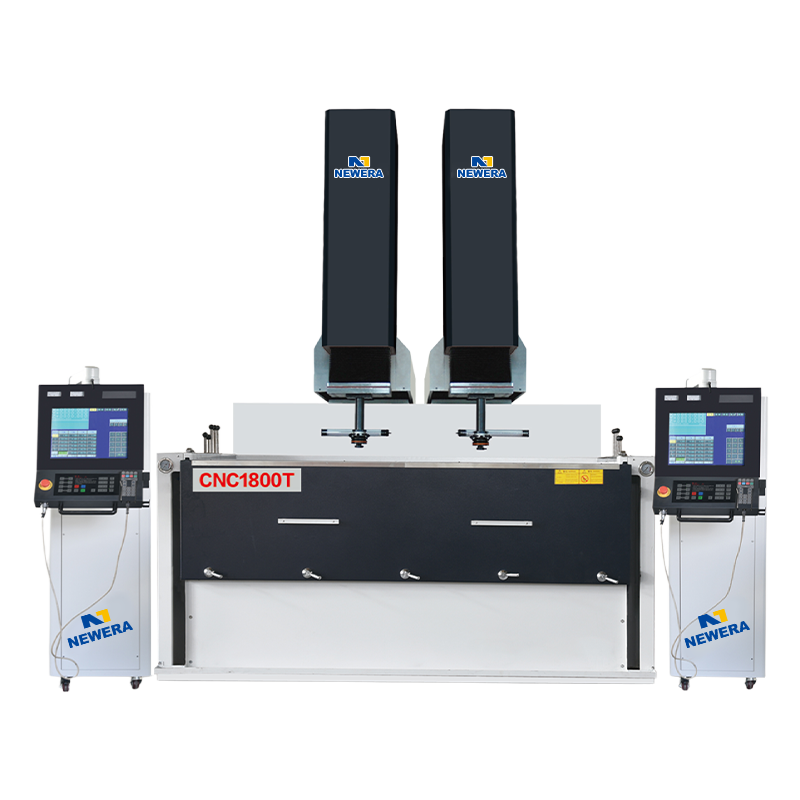
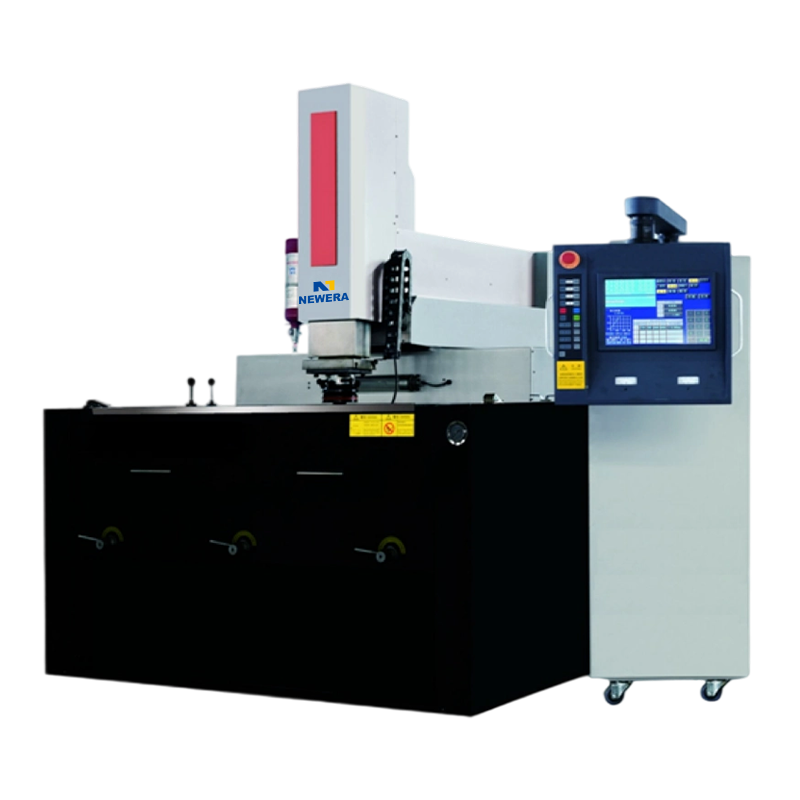
If you are interested in our products, please consult us.
CONTACT DETAILS
Nantong New Era Technology Co., LTD
- Five-star Industrial Park, Chongchuan District, Nantong City, Jiangsu Province, China
- TEL:+86-19851302688
- E-Mail: [email protected]
Products
Quick link
Mobile terminal
