

 русский
 عربى
عربى
Industry News
What Are the Advantages of CNC EDM Die Sinking Machines?
 2026.04.09
 Industry News
The CNC EDM Die Sinking Machine delivers what conventional cutting tools cannot: the ability to machine hardened metals, complex cavities, and micro-features with repeatable sub-micron precision. For manufacturers in mold making, aerospace, and tooling, this technology eliminates the trade-off between hardness and machinability—making it one of the most strategically valuable machine tools on the shop floor.
This article walks through exactly why the CNC EDM machine earns its place in modern production environments, backed by real performance data and practical application examples.
Content
- 1 What Makes CNC EDM Die Sinking Different from Conventional Machining
- 2 Advantage 1: Machining Hardened Steels and Exotic Alloys Without Limitation
- 3 Advantage 2: Unmatched Precision for Complex Mold Cavities
- 4 Advantage 3: Zero Cutting Force Protects Thin-Walled and Delicate Features
- 5 Advantage 4: Superior Performance in Mold Making Applications
- 6 Advantage 5: CNC Automation Enables Consistent, Unmanned Production
- 7 Advantage 6: Reduced Tool Wear Cost Compared to Hard Milling
- 8 Advantage 7: Ideal for Prototyping and Low-Volume High-Value Components
- 9 About Nantong New Era Technology Co., LTD
- 10 Frequently Asked Questions
What Makes CNC EDM Die Sinking Different from Conventional Machining
EDM (Electrical Discharge Machining) removes material through precisely controlled electrical sparks between the electrode and workpiece—no physical contact, no cutting force. The CNC EDM Die Sinking Machine uses a shaped electrode (typically graphite or copper) to erode the workpiece into a matching cavity.
Key distinctions from milling or turning:
- No mechanical cutting force applied to the workpiece
- Works on any electrically conductive material regardless of hardness
- Achieves surface finishes as fine as Ra 0.1 µm in finishing mode
- Can produce sharp internal corners and blind cavities impossible with rotating tools
| Feature | CNC EDM Die Sinking | CNC Milling |
|---|---|---|
| Material Hardness Limit | No limit (60+ HRC) | Typically ≤55 HRC |
| Internal Corner Radius | Near zero (0.1 mm) | Limited by tool diameter |
| Surface Finish (Ra) | 0.1–3.2 µm | 0.4–6.3 µm |
| Cutting Force on Part | None | Significant |
| Complex 3D Cavity | Excellent | Limited by axis access |
Advantage 1: Machining Hardened Steels and Exotic Alloys Without Limitation
One of the most impactful advantages of the High Precision CNC EDM Machine is its complete independence from material hardness. While carbide end mills struggle and wear rapidly above 55 HRC, EDM performs identically on P20, H13, D2, tungsten carbide, Inconel 718, and titanium alloys.
In practice, this means mold makers can machine the cavity after heat treatment—eliminating post-hardening distortion that degrades dimensional accuracy. A typical injection mold core in H13 steel at 52 HRC can be finished to ±0.005 mm tolerance directly in the hardened state.
Materials commonly processed on a CNC EDM Die Sinking Machine:
- Tool steels (D2, H13, P20, S7) — up to 65 HRC
- Cemented carbide (WC-Co)
- Nickel superalloys (Inconel 625, 718)
- Titanium alloys (Ti-6Al-4V)
- Copper, brass, and hardened aluminum
Advantage 2: Unmatched Precision for Complex Mold Cavities
The CNC EDM Machine For Mold Making excels precisely where injection molds and die casting tooling demand the most: deep ribs, sharp corners, textured surfaces, and multi-level cavities. Since material removal is non-contact, there is zero tool deflection and no vibration-induced geometry error.
Typical Precision Benchmarks
- Positioning accuracy: ±0.001 mm (1 µm) on servo-controlled axes
- Repeatability: ±0.002 mm across production runs
- Surface finish: Ra 0.1–0.4 µm in mirror-finish mode (VDI 12 or better)
- Minimum internal corner: 0.05–0.1 mm radius
For automotive connector molds requiring 200+ micro-pin cavities with 0.3 mm spacing, a High Precision CNC EDM Machine delivers consistent results across every cavity without the accumulated error seen in mechanical processes.
Figure 1: Surface Finish (Ra µm) by Machining Method — Lower is Better
Advantage 3: Zero Cutting Force Protects Thin-Walled and Delicate Features
Mechanical machining generates forces that deflect, vibrate, or even crack thin walls and fine features. The CNC EDM machine applies no mechanical force whatsoever—spark erosion occurs across a dielectric gap of 0.01–0.1 mm without any contact.
This enables reliable production of:
- Thin ribs as narrow as 0.2 mm in injection molds
- Medical device components with wall thickness under 0.5 mm
- Electronic connector pins and micro-contact features
- Watch and precision instrument components in hardened steel
A mold core with 0.3 mm ribs at 20 mm depth—impossible to mill without deflection—is a routine task for a properly configured CNC EDM Die Sinking Machine.
Advantage 4: Superior Performance in Mold Making Applications
The CNC EDM Machine For Mold Making is the industry standard for producing injection mold cavities, die casting dies, forging dies, and stamping tools. Its advantages compound in this context:
Injection Mold Tooling
Complex textures (leather grain, wood grain, optical surfaces) can be transferred directly from a textured electrode. A single electrode sinking operation replaces hours of manual polishing and ensures perfect texture uniformity across multi-cavity molds.
Die Casting Dies
H13 hot-work tool steel dies for aluminum die casting are machined post-hardening, maintaining dimensional stability under the extreme thermal cycling of production. EDM's ability to produce undercuts and side features reduces the need for complex multi-piece die designs.
Stamping and Punching Tools
Carbide punching dies and progressive stamping tools benefit from EDM's ability to hold tight dimensional tolerances in ultra-hard materials. Punch-to-die clearances of 0.002–0.005 mm are achievable consistently.
Advantage 5: CNC Automation Enables Consistent, Unmanned Production
Modern CNC EDM machines integrate multi-axis CNC control with automatic electrode changers (AEC), making lights-out overnight machining a practical reality. A system equipped with a 20-position AEC can run multiple electrode geometries sequentially—roughing, semi-finishing, and finishing—without operator intervention.
Key automation features on advanced High Precision CNC EDM Machines:
- Automatic Electrode Changer (AEC): 10–60 electrode capacity, sub-micron repeatability on re-chucking
- Adaptive control: Real-time spark gap monitoring adjusts parameters to optimize speed and prevent short circuits
- Multi-cavity programming: Automated C-axis rotation enables one setup for multiple cavity orientations
- Remote monitoring: Production status, alarms, and process data accessible via networked interfaces
Figure 2: Cumulative Machining Hours — Manual EDM vs. CNC EDM with AEC over 3 Shifts
Advantage 6: Reduced Tool Wear Cost Compared to Hard Milling
In hard milling of tool steels above 55 HRC, solid carbide end mills wear rapidly—a single mold cavity may consume multiple tools. EDM electrodes, by contrast, erode slowly and predictably. Graphite electrodes are inexpensive (often under the cost of a single carbide end mill) and can be re-used with slight dimensional compensation.
Electrode wear ratios (workpiece removal vs. electrode wear) in standard conditions:
- Graphite on steel: 20:1 to 100:1 (roughing to finishing)
- Copper on steel: 30:1 to 120:1
- Copper-tungsten on carbide: 5:1 to 20:1
CNC-controlled electrode wear compensation automatically adjusts the Z-axis depth to maintain accuracy as the electrode wears, eliminating the need for manual recalibration.
Advantage 7: Ideal for Prototyping and Low-Volume High-Value Components
Not every application requires mass production. For aerospace brackets, medical implant tooling, or precision instrument components, the CNC EDM Die Sinking Machine offers a low-setup-cost path to complex geometries in small quantities. A single electrode can produce a cavity in 2–8 hours that would require extensive fixture design and multi-tool milling sequences.
Industries that rely on EDM die sinking for prototyping and limited-run production:
- Aerospace — turbine blade cooling hole dies, fuel system component tooling
- Medical devices — surgical instrument molds, implant forming dies
- Electronics — micro-connector and lead frame stamping tools
- Watchmaking — micro-gear and dial component dies
About Nantong New Era Technology Co., LTD
Nantong New Era Technology Co., LTD specializes in developing, designing and producing numerical control machines and CNC machine tools for more than 20 years. With a professional team in technology development, manufacturing and sales services, the company has built a strong foundation in precision machining equipment.
As a professional OEM CNC EDM Die Sinking Machine Suppliers and ODM CNC EDM machine Factory, New Era has continuously obtained advanced scientific and technological achievements at home and abroad, and has developed into a professional manufacturer with a complete production and mounting center. New Era always provides customers with the best solutions and creates maximum value with high-quality products and outstanding services.
Frequently Asked Questions
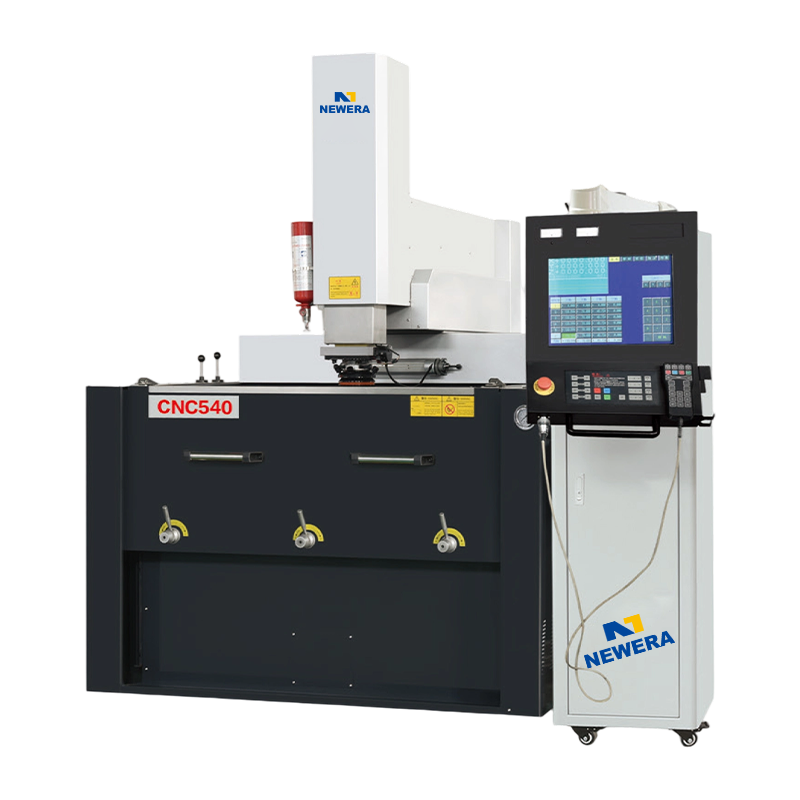
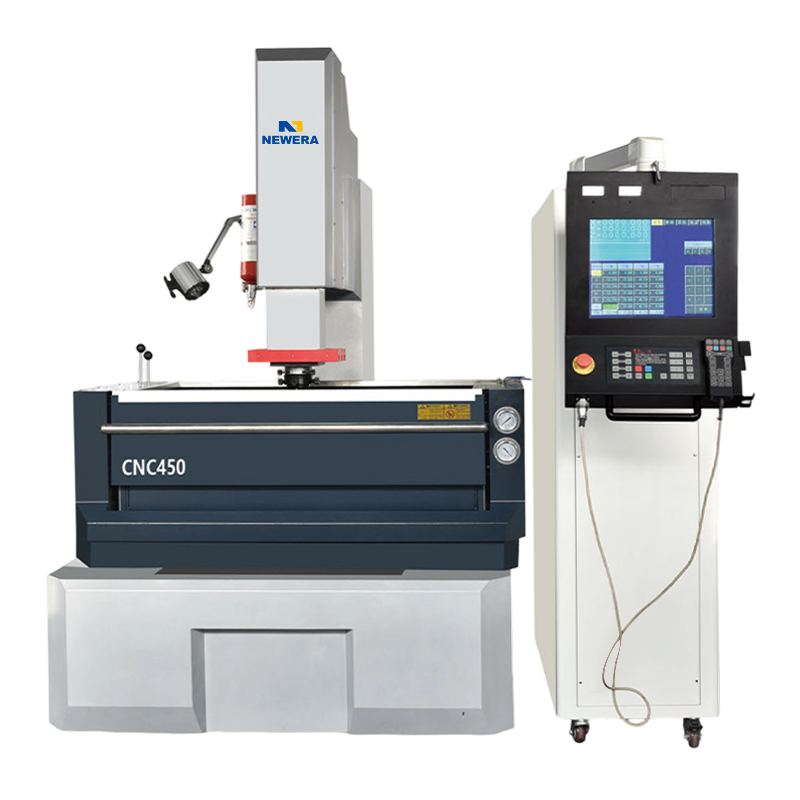
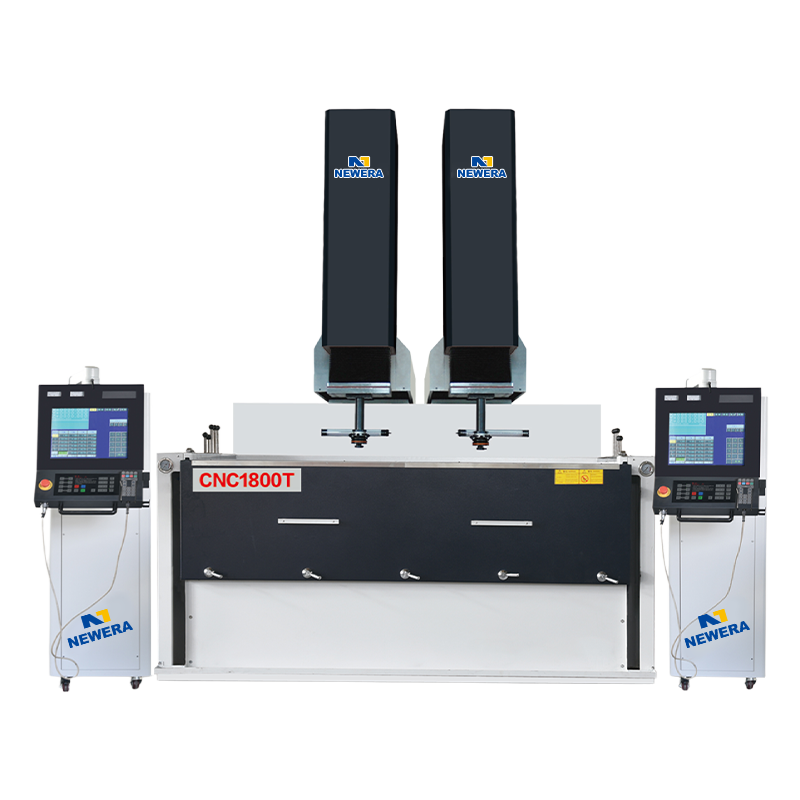
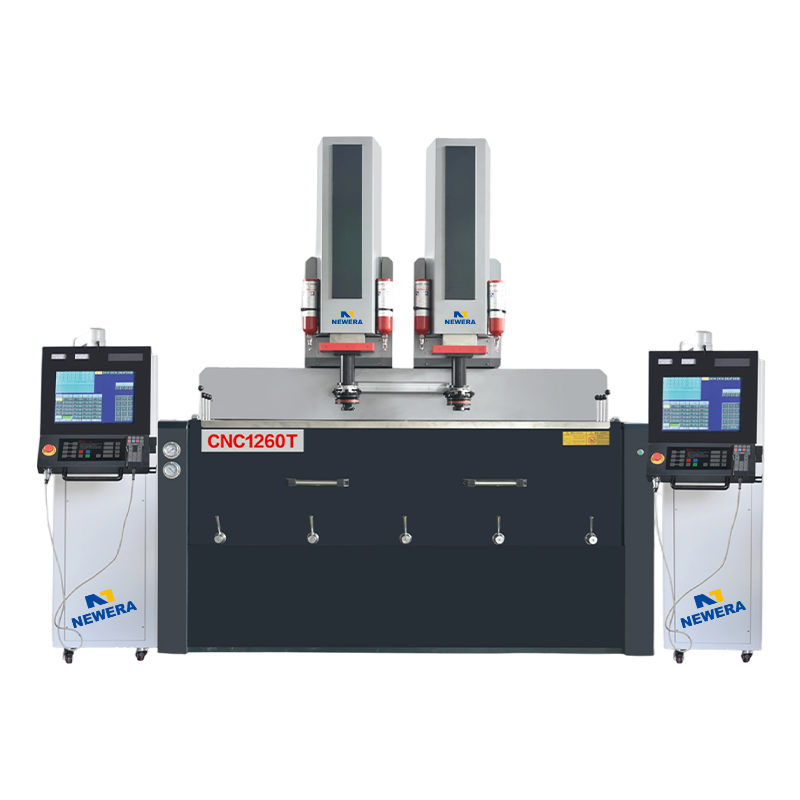
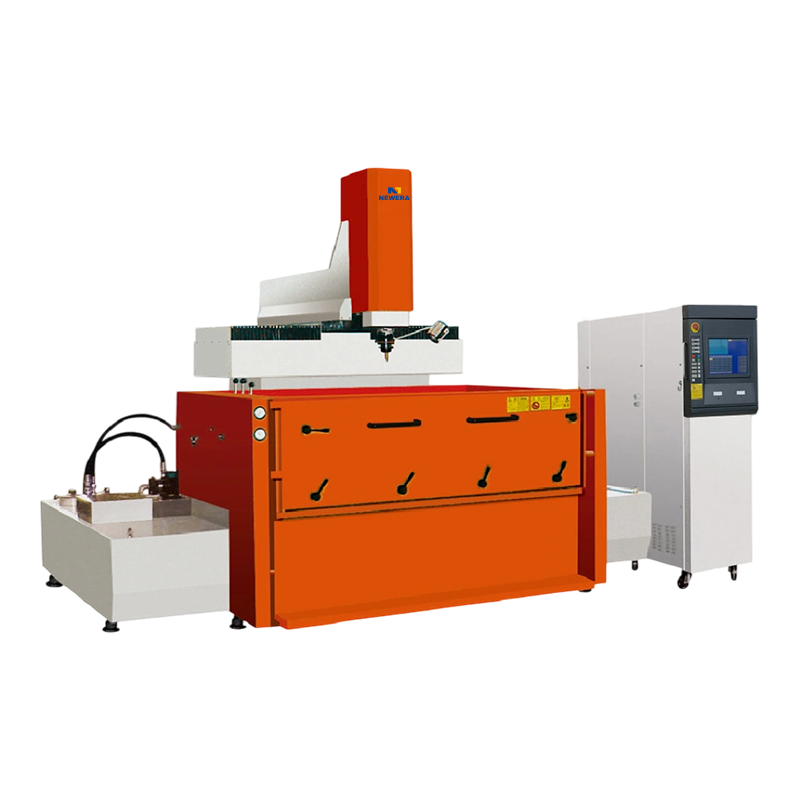
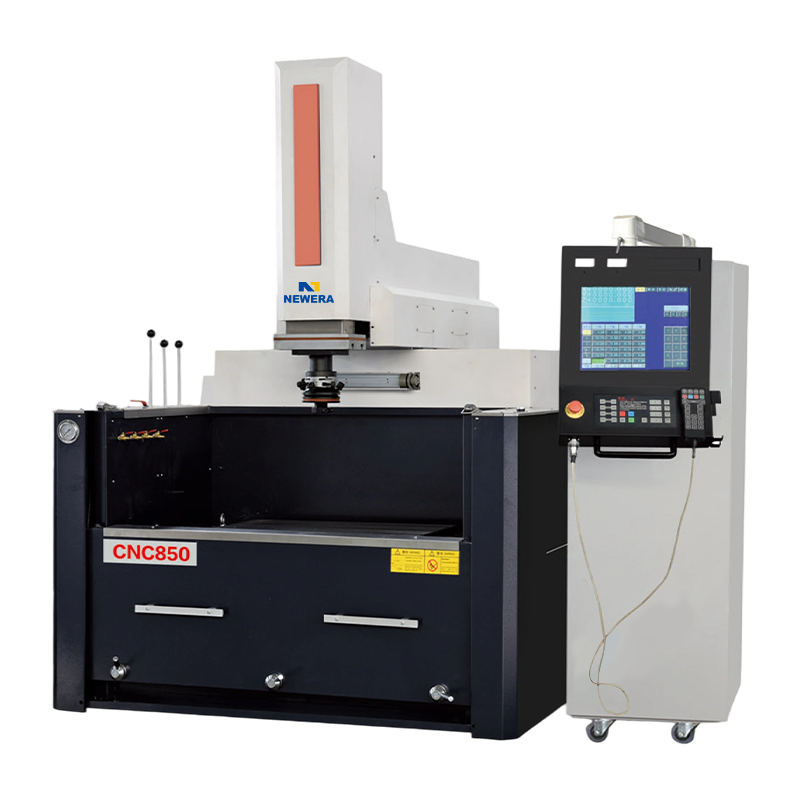
If you are interested in our products, please consult us.
CONTACT DETAILS
Nantong New Era Technology Co., LTD
- Five-star Industrial Park, Chongchuan District, Nantong City, Jiangsu Province, China
- TEL:+86-19851302688
- E-Mail: [email protected]
Products
Quick link
Mobile terminal
