

 русский
 عربى
عربى
Industry News
Sinker EDM vs Wire EDM: What's the Difference?
 2026.07.02
 Industry News
Content
- 1 Quick Answer: Sinker EDM vs Wire EDM - What's the Difference
- 2 What Is EDM Machining? The Shared Principle Behind Both Methods
- 3 How Sinker EDM (Die Sinking EDM) Works
- 4 How Wire EDM Works, for Comparison
- 5 Sinker EDM vs Wire EDM: Side-by-Side Performance Comparison
- 6 Matching EDM Type to the Application
- 7 Why Is EDM Machining Slow? Understanding Speed and Surface Finish Trade-offs
- 8 Why Does EDM Arc, and Why Is Surface Finish Sometimes Poor
- 9 How to Choose a Sinker EDM Machine for Your Shop
- 10 What to Consider Before Buying an EDM Machine
- 11 Working with a Professional Sinker EDM Machine Manufacturer
- 12 Frequently Asked Questions
Quick Answer: Sinker EDM vs Wire EDM - What's the Difference
The core difference between sinker EDM and wire EDM comes down to how each method removes material and what shape it produces. Sinker EDM (also called die sinking EDM) uses a shaped electrode that is pressed into the workpiece to reproduce a mirror-image cavity, which makes it well suited for 3D mold cavities, textured surfaces, and blind features that a cutting tool cannot easily reach. Wire EDM instead uses a thin, continuously traveling wire electrode to cut a path completely through the workpiece, which makes it the more common choice for through-cut profiles, stamping die details, and thin precision slots.
In practical terms: if the part needs a closed-bottom cavity, a textured surface, or a shape replicated from a custom electrode, sinker EDM is typically the better fit. If the part needs a through-cut 2D or tapered profile with a narrow kerf, wire EDM usually performs better. The sections below compare both methods across speed, surface finish, application fit, and machine selection criteria, with reference charts supporting each point, so that engineering and sourcing teams evaluating a sinker EDM machine manufacturer can match machine type to the actual part geometry rather than general assumptions.
Electrical discharge machining (EDM) is a non-contact machining process that removes material through a rapid series of controlled electrical sparks between an electrode and a workpiece, both submerged in or flushed with a dielectric fluid. Because material removal happens through localized spark erosion rather than mechanical cutting force, EDM machining can shape hardened tool steel, carbide, and other hard-to-cut materials regardless of hardness, which is a key reason it remains common in mold and die manufacturing.
Both sinker EDM and wire EDM rely on this same spark-erosion principle, and both require precise control of gap voltage, discharge current, and pulse timing to remove material predictably. The methods diverge mainly in electrode geometry and motion: a die sinker machine drives a shaped electrode vertically, often with a small orbital motion, into the workpiece, while a wire EDM machine feeds a thin wire along a programmed path, similar in concept to a moving band saw guided by spark erosion instead of a physical blade.
How Sinker EDM (Die Sinking EDM) Works
Die sinking EDM machines a cavity by reproducing the shape of a custom-made electrode, typically machined from graphite or copper, directly into the workpiece. As the electrode is fed downward and often given a small orbital motion to improve flushing and taper control, thousands of discharges per second erode material from the workpiece surface, gradually forming a cavity that mirrors the electrode geometry.
Electrode and Cavity Formation
The electrode is generally the most important consumable in a sinker EDM setup, since its shape, material, and wear characteristics directly determine cavity accuracy and surface texture. Graphite electrodes are commonly used for larger cavities and rough removal because they machine quickly and resist thermal cracking, while copper electrodes are often selected for finer detail and improved surface finish on critical cavity features.
Dielectric Fluid and Spark Erosion
Throughout the process, the workpiece and electrode remain submerged in a dielectric fluid, typically a specialized EDM oil, which insulates the gap between sparks, cools the machining zone, and flushes away eroded debris particles. Consistent flushing is one of the most important factors in a stable die sinking EDM process, since debris that is not cleared from the gap can trigger irregular discharges and contribute to the arcing issues discussed later in this guide.
How Wire EDM Works, for Comparison
Wire EDM replaces the shaped electrode with a thin, continuously unspooling wire, commonly brass or coated wire, that travels through the workpiece along a programmed 2D or tapered path while deionized water typically serves as the dielectric medium. Because the wire is consumed and constantly refreshed, electrode wear compensation is less of a concern than it is with a fixed sinker EDM electrode.
This construction makes wire EDM effective for cutting external profiles, internal slots that start from a pre-drilled hole, and stamping die components that need a narrow, consistent kerf. It is generally less suited to closed-bottom cavities or deep 3D textured surfaces, which remains the primary domain of the die sinker machine.
Sinker EDM vs Wire EDM: Side-by-Side Performance Comparison
Because the two methods are frequently confused, it helps to compare them side by side across the performance dimensions that most affect a shop's process planning. The radar chart below scores sinker EDM and wire EDM on a relative 0-10 index across five practical dimensions based on typical process characteristics of each method.
As the chart illustrates, sinker EDM scores considerably higher on complex cavity forming, which reflects its ability to reproduce a fully three-dimensional electrode shape in a single setup. Wire EDM, in contrast, leads clearly on through-cut precision and setup flexibility for custom outline shapes, since reprogramming a wire path is often faster than machining a new electrode. Surface finish quality and thick-section efficiency sit closer together between the two methods, which is one reason many mold and die shops operate both machine types rather than treating them as interchangeable.
| Feature | Sinker EDM | Wire EDM |
|---|---|---|
| Working Principle | Shaped electrode sinks into workpiece | Traveling wire cuts through workpiece |
| Electrode/Tool | Custom graphite or copper electrode | Continuous brass or coated wire |
| Dielectric Medium | Specialized EDM oil | Deionized water |
| Typical Cavity Type | Closed-bottom 3D cavities, textures | Through-cut 2D and tapered profiles |
| Setup Complexity | Requires electrode design and machining | Requires CAM path programming |
Matching EDM Type to the Application
Selecting between sinker EDM and wire EDM in practice usually comes down to the specific part feature being produced rather than the industry itself, since a single mold or die project often uses both methods on different components within the same tool.
The grouped column chart above compares relative suitability for three common feature types. Sinker EDM shows a clear advantage for deep 3D cavities, since a shaped electrode can form a closed-bottom pocket in one pass, while wire EDM shows the opposite pattern for thin precision slots and sharp internal corners, where a continuously traveling wire produces a cleaner, more consistent kerf. Sharp internal corners in particular tend to favor wire EDM because wire diameter can be selected to hold a tighter inside-corner radius than most sinker electrodes can practically reproduce, which is a detail worth reviewing early in tooling design.
| Application | Recommended Method | Primary Reason |
|---|---|---|
| Injection mold cavity | Sinker EDM | Reproduces 3D cavity and texture from electrode |
| Stamping die profile | Wire EDM | Narrow through-cut kerf with tight tolerance |
| Textured or engraved cavity | Sinker EDM | Electrode replicates fine surface texture |
| Deep blind ribs and bosses | Sinker EDM | Closed-bottom cavity forming |
Why Is EDM Machining Slow? Understanding Speed and Surface Finish Trade-offs
EDM machining is often described as comparatively slow next to conventional milling or turning, and the reason is directly tied to how material removal rate interacts with surface finish requirements. Roughing passes use higher discharge current and longer pulse duration to remove material quickly, while finishing passes intentionally reduce current and pulse duration to produce a smoother surface, which slows material removal considerably.
The chart shows a clear downward trend: at a coarse Ra 3.2 micrometer finish requirement, relative material removal rate is comparatively high, but achieving a fine Ra 0.2 micrometer finish typically reduces that rate to a small fraction of the roughing value. This trade-off is a normal characteristic of spark erosion rather than a sign of an underperforming machine, and it is why shops generally plan roughing and finishing operations as separate stages with different parameter sets. Selecting a high speed EDM machine with adaptive power supply control can help shorten roughing time without sacrificing the finishing quality needed on critical cavity surfaces.
Why Does EDM Arc, and Why Is Surface Finish Sometimes Poor
Two of the most common troubleshooting questions in EDM machining are why the process arcs and why surface finish comes out rougher than expected, and both usually trace back to gap conditions rather than the machine itself.
- Debris accumulation in the gap - poor flushing lets eroded particles bridge the spark gap, concentrating discharges in one location and causing localized arcing or electrode damage.
- Incorrect gap voltage or servo settings - a gap set too narrow increases the chance of short circuits and unstable arcing, while a gap set too wide can produce inconsistent discharges and slower removal.
- Worn or contaminated electrode surface - electrode wear changes discharge characteristics over a cycle, which can leave visible texture inconsistencies on the finished cavity.
- Finishing parameters not matched to the material - each workpiece material responds differently to pulse duration and current, so parameters copied from a different material or thickness often produce a rougher-than-expected surface.
- Insufficient finishing passes - skipping intermediate finishing stages to save cycle time frequently leaves visible discharge craters that a proper multi-stage finishing sequence would otherwise remove.
Addressing these factors generally starts with reviewing flushing pressure, gap settings, and the finishing parameter sequence before assuming an electrode or machine fault, since most arcing and surface finish issues in die sinking EDM are process-related rather than equipment defects.
How to Choose a Sinker EDM Machine for Your Shop
Choosing a sinker EDM machine typically starts with matching machine capability to the part types a shop produces most often, since a general-purpose machine and a high-automation production machine are optimized for different workflows.
The horizontal bar chart above ranks five common shop applications by how well sinker EDM typically fits each one. Deep cavity molds and textured mold surfaces score highest because both rely on an electrode's ability to reproduce a full three-dimensional shape, which is the core strength of the die sinking process. Micro-feature electrode work scores comparatively lower not because sinker EDM cannot handle fine detail, but because very small features generally require tighter servo control and more careful flushing, which points buyers toward a precision EDM machine configuration rather than a standard production model.
- Work envelope and Z-axis travel - should comfortably fit the largest cavity depth and electrode size the shop expects to run.
- Servo control and power supply precision - directly affects gap stability, discharge consistency, and achievable surface finish.
- Automatic electrode changer - supports unattended, automatic die sinking EDM production runs across multiple electrodes.
- Orbital or planetary motion capability - improves flushing and enables taper or side-wall finishing from a single electrode.
- Dielectric filtration and fluid management - keeps debris levels low for consistent discharge and surface quality.
- Control software and parameter libraries - shortens setup time on a CNC sinker EDM machine handling varied cavity types.
What to Consider Before Buying an EDM Machine
Beyond the technical specification sheet, a few broader questions typically shape a sound EDM machine purchase decision, especially for shops adding electrical discharge machining capability for the first time.
- Application scope - whether the machine will primarily support mold and die work, aerospace components, medical parts, or general prototype tooling.
- Materials machined most often - hardened tool steel, carbide, and exotic alloys each place different demands on power supply and flushing.
- Available floor space and utilities - work tank size, dielectric handling, and electrical service requirements should fit the shop layout.
- Automation level needed - whether an automatic die sinking EDM configuration with electrode changing is justified by production volume.
- Technical support and training - operator training on the control software and response time for service questions after installation.
- Manufacturing track record - reviewing how long an EDM machine supplier or China EDM machine factory has produced industrial EDM machines before committing to a custom order.
Working with a Professional Sinker EDM Machine Manufacturer
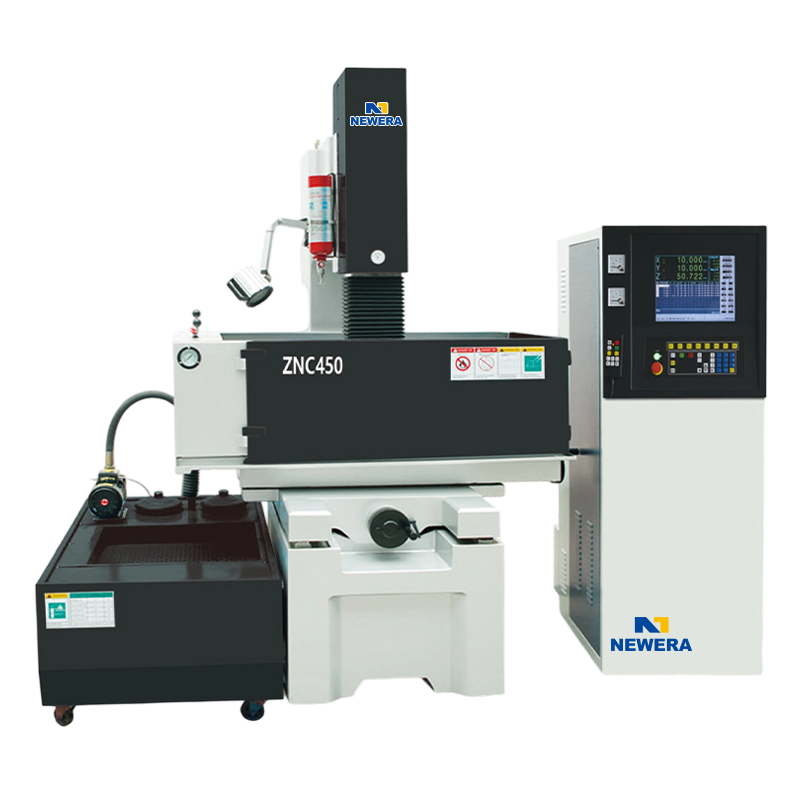
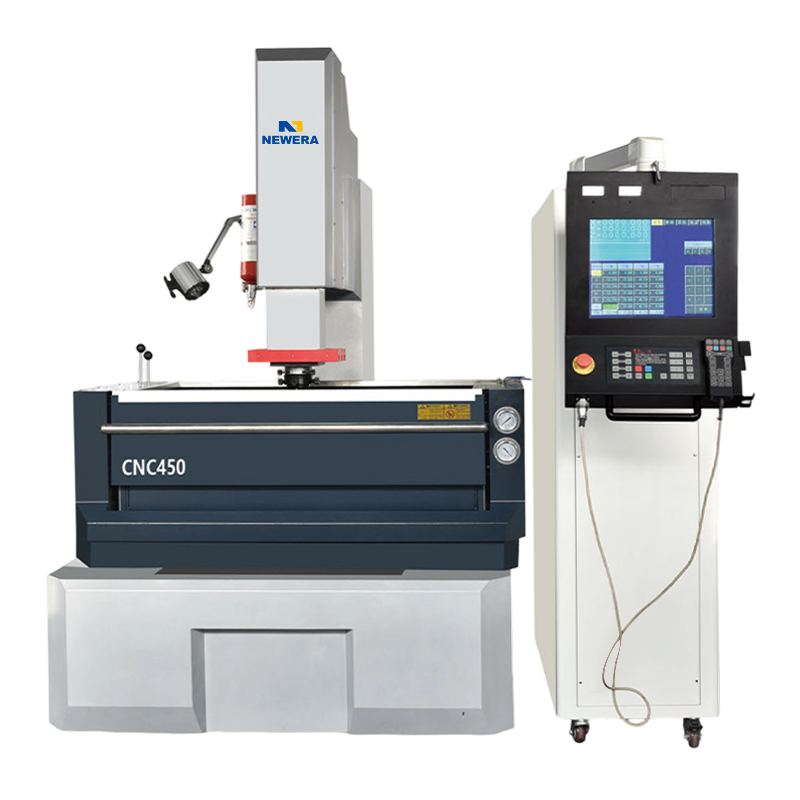
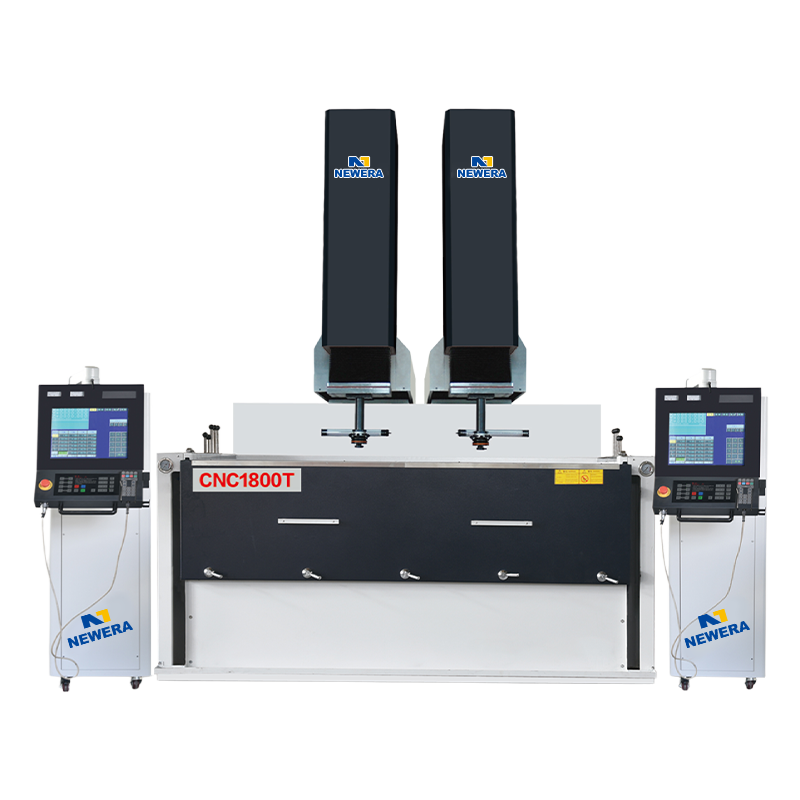
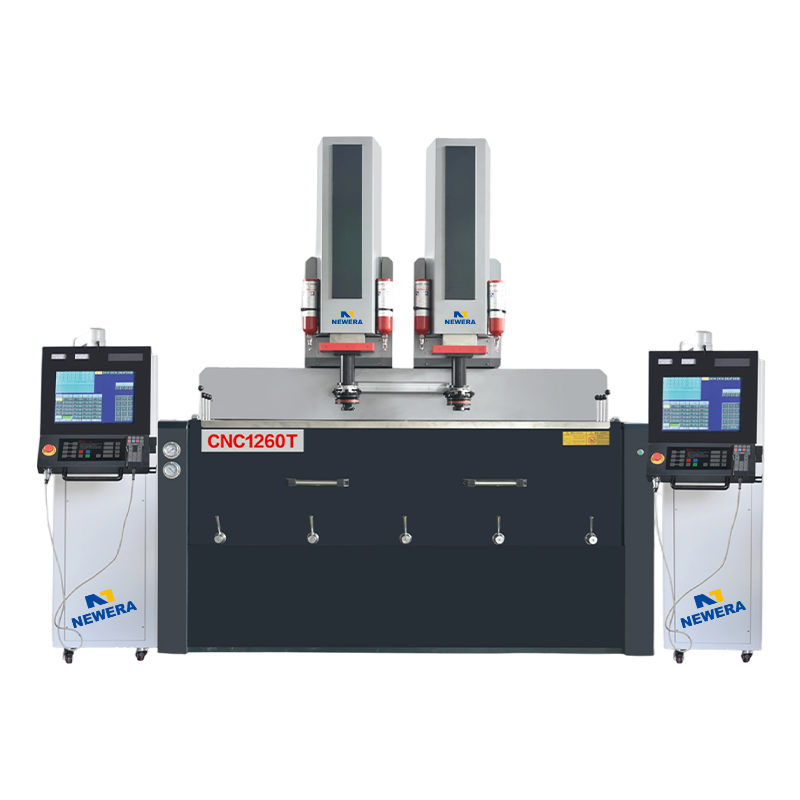
Nantong New Era Technology Co., LTD has specialized in developing, designing, and producing numerical control machines and CNC machine tools for more than 20 years, supported by a dedicated team covering technology development, manufacturing, and sales service. As an OEM EDM machine manufacturer and ODM die sinker machine partner, New Era has incorporated advanced domestic and international technology developments into its product line and operates a complete production and assembly center, which supports both standard CNC sinker EDM machine models and customized configurations for shops with specific automation or work envelope requirements.
For buyers evaluating a sinker EDM machine manufacturer or a broader EDM machine supplier, it is generally worth reviewing manufacturing experience, after-sales technical support availability, and whether the supplier can accommodate industrial EDM machine or precision EDM machine specifications relevant to the shop's part mix before finalizing a purchase decision.
Frequently Asked Questions
|
Q1: What is a sinker EDM machine? A sinker EDM machine, also called a die sinking EDM machine, uses a shaped electrode pressed into a workpiece submerged in dielectric fluid to erode a cavity that mirrors the electrode's geometry. |
Q2: How does die sinking EDM work? The machine feeds a graphite or copper electrode toward the workpiece while thousands of controlled discharges per second erode material, gradually forming a cavity shaped like the electrode. |
|
Q3: What is EDM machining? EDM machining, or electrical discharge machining, is a non-contact process that removes material through controlled spark erosion, allowing hard materials to be machined regardless of hardness. |
Q4: How to choose a sinker EDM machine? Selection typically depends on work envelope size, servo and power supply precision, available automation, and control software features matched to typical cavity types. |
|
Q5: What should I consider before buying an EDM machine? Buyers generally evaluate application scope, materials machined, required automation level, available floor space, and the manufacturing track record of the supplier. |
Q6: Why is EDM machining slow? Roughing removes material quickly, but finer surface finish requirements need reduced current and pulse duration, which lowers material removal rate as a normal trade-off. |
|
Q7: Why does EDM arc? Arcing typically results from debris accumulation in the spark gap, incorrect gap voltage or servo settings, or a contaminated electrode surface concentrating discharges in one spot. |
Q8: Why is my surface finish poor? Poor surface finish is usually linked to mismatched finishing parameters, electrode wear, or insufficient finishing passes rather than a defect in the machine itself. |
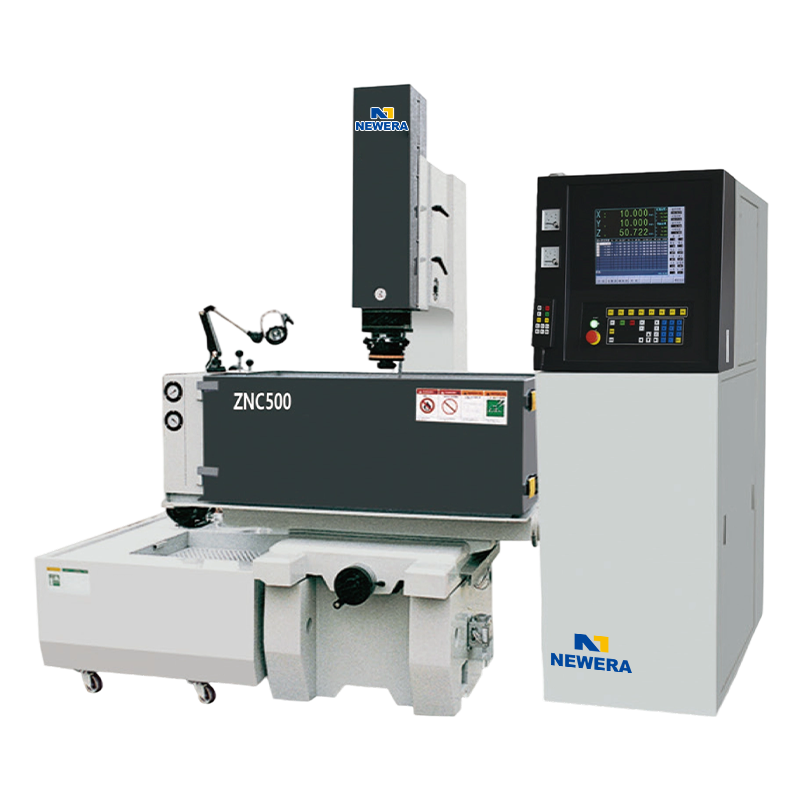
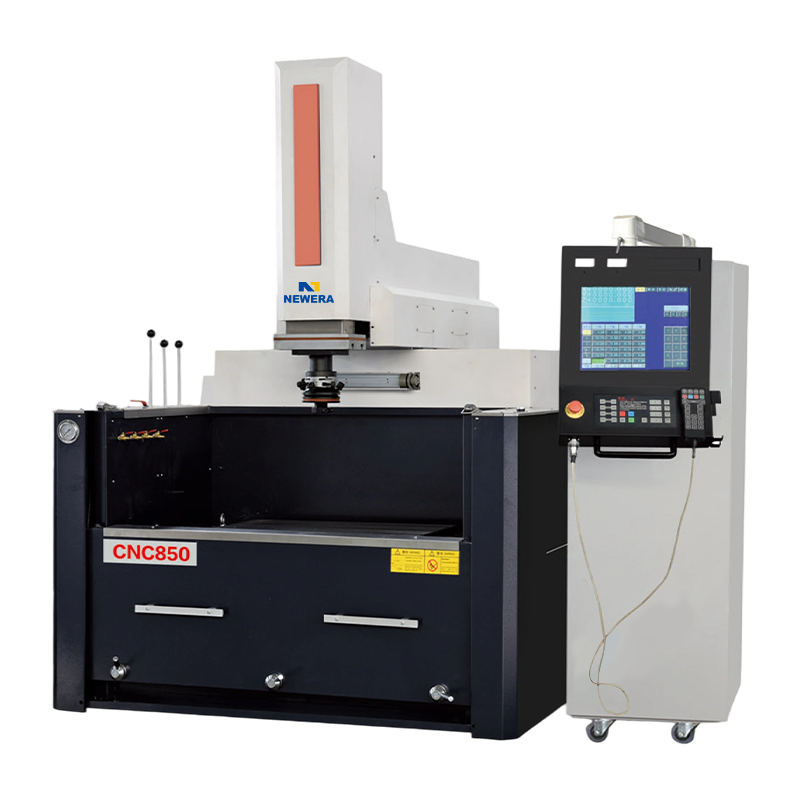
If you are interested in our products, please consult us.
CONTACT DETAILS
Nantong New Era Technology Co., LTD
- Five-star Industrial Park, Chongchuan District, Nantong City, Jiangsu Province, China
- TEL:+86-19851302688
- E-Mail: [email protected]
Products
Quick link
Mobile terminal
