

 русский
 عربى
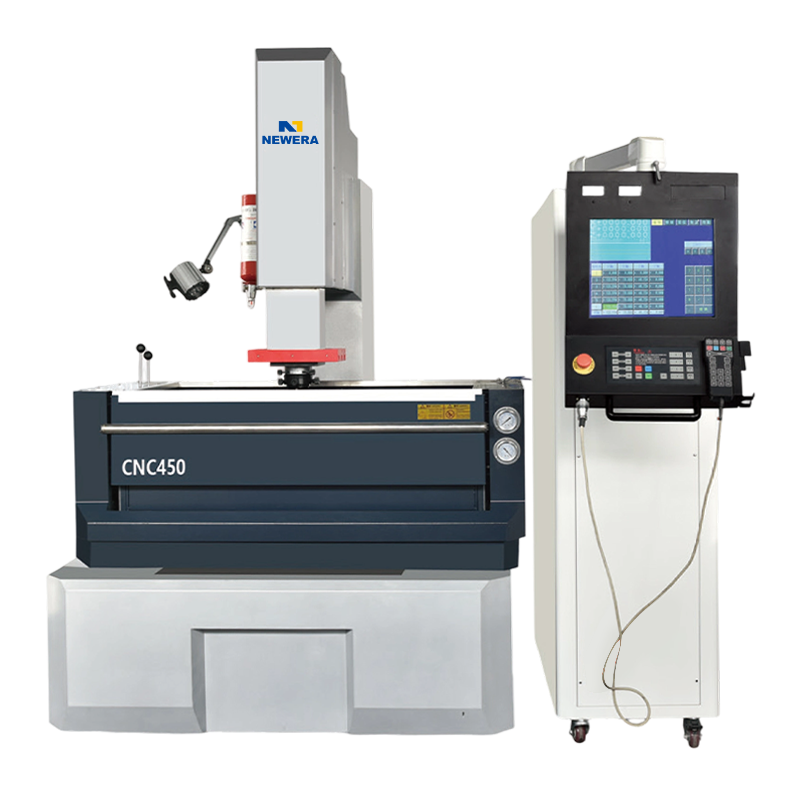
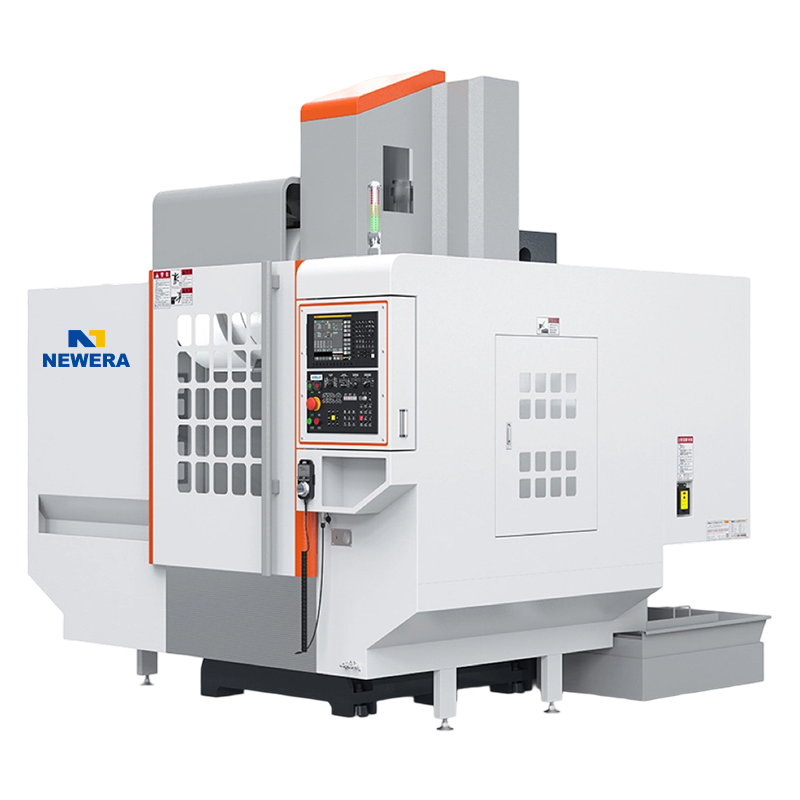
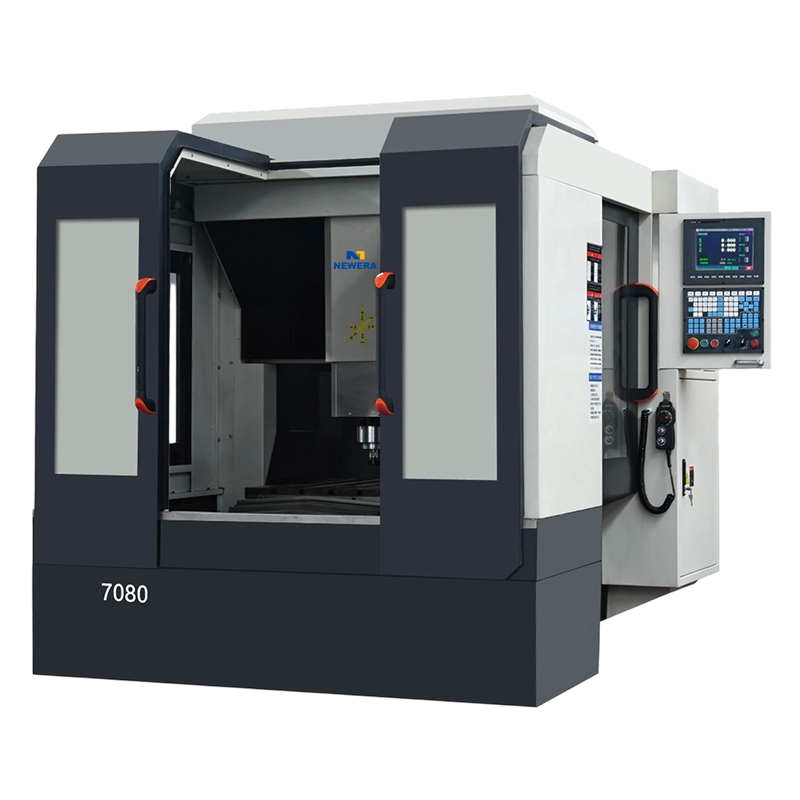
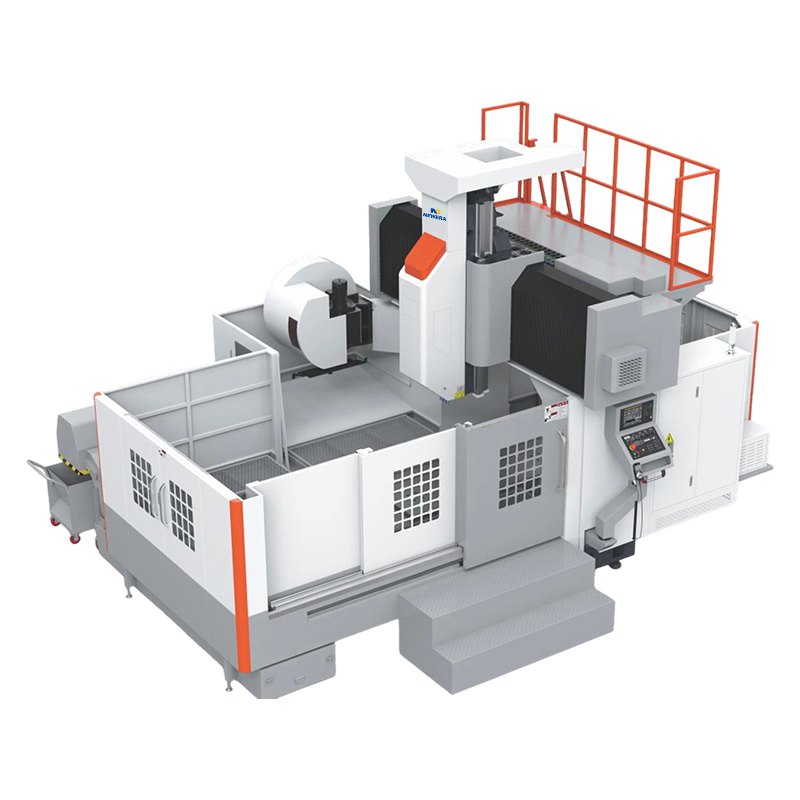
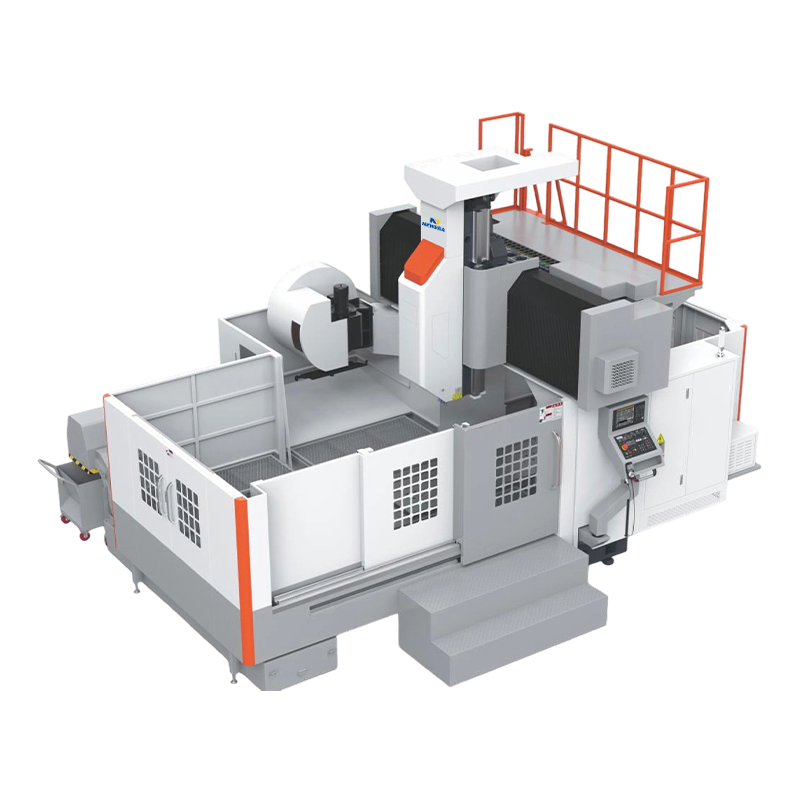
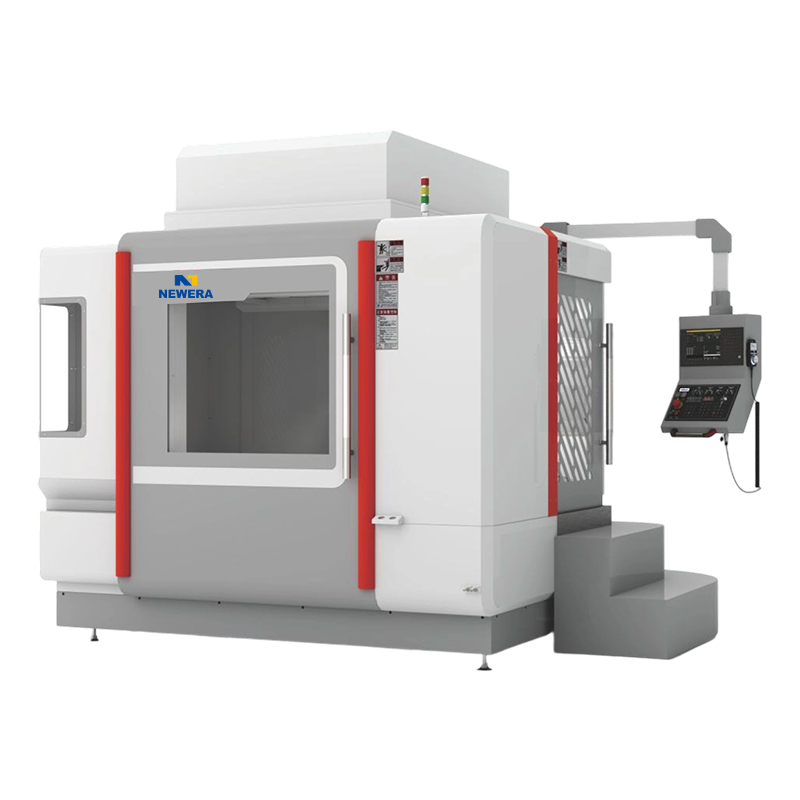
Electrical Discharge Machining Machine
-- Steady & Reliable Manufacturer --
Brief Product Description
An electrical discharge machining machine uses rapid, repeated electrical sparks to remove material from a conductive workpiece. The tool and the workpiece never touch, and the gap between them is filled with dielectric fluid that insulates, cools, and flushes away debris. This non-contact principle makes the machine especially valuable for hard, tough, or delicate parts where mechanical cutting would cause stress, burrs, or tool breakage.
Industrial buyers include mold and die makers, aerospace and energy suppliers, medical device manufacturers, and general precision machine shops. When evaluating this kind of equipment, they look at the generator capability, gap control accuracy, dielectric system, available axis travel, and safety protection. Understanding how pulse on-time, off-time, and current influence speed and finish helps buyers ask better questions during sourcing.
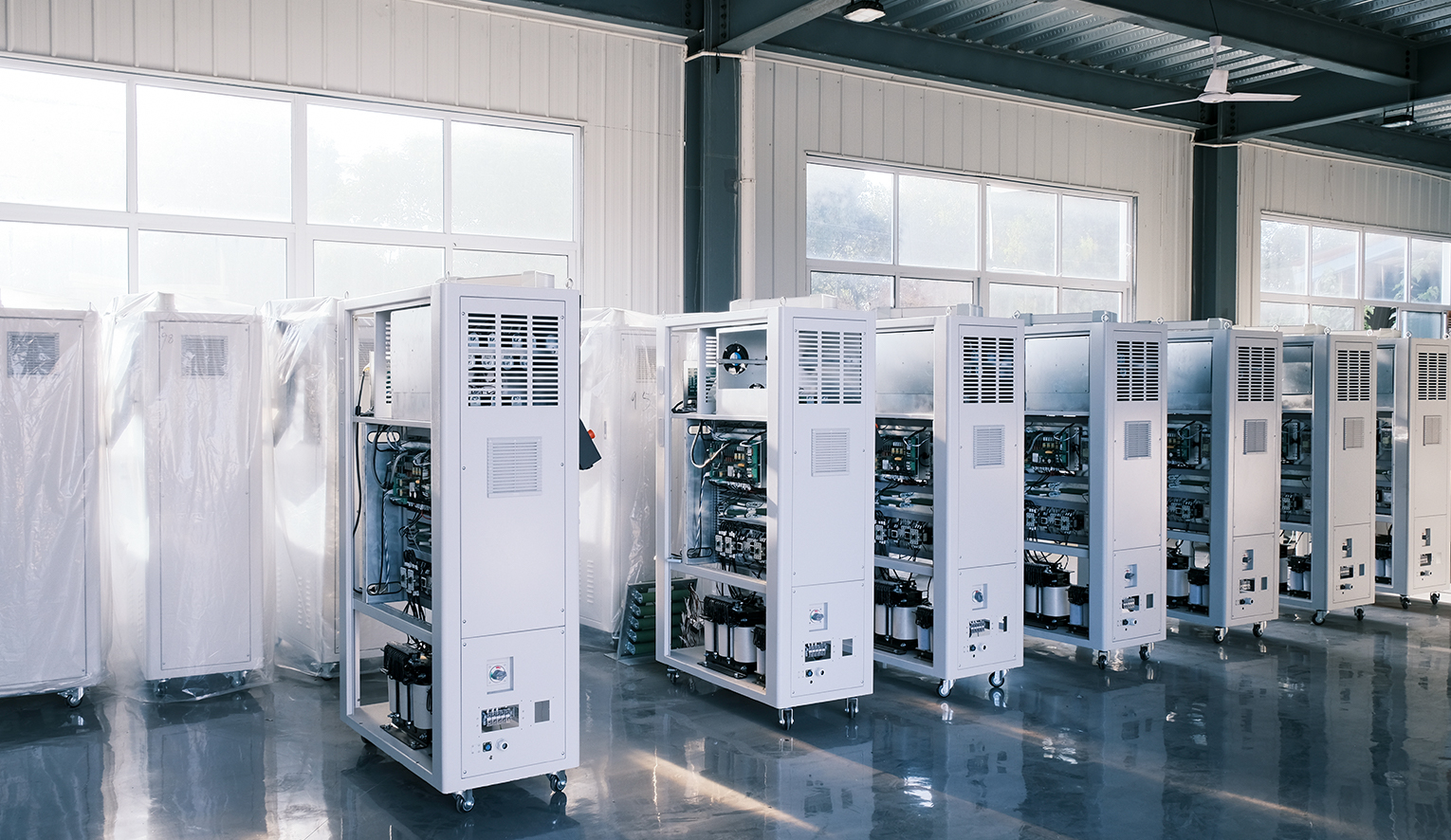
Nantong New Era Technology Co., Ltd. develops, designs, and produces numerical control machines and CNC machine tools, and has done so for over 20 years. Our electrical discharge machining machines can be adapted under OEM and ODM service, including panel language, color, voltage, and accessories. Sample burns and test videos can be arranged, and standard models are available in single units. Send your material and tolerance requirements to receive a suitable recommendation.
A clear understanding of the process helps buyers specify the right machine and set realistic expectations. Higher current removes material faster but leaves a rougher surface and a thicker recast layer, while shorter pulses give finer finish at lower speed. Our team can explain these trade-offs for your material, suggest a starting parameter set, and show how stored settings help operators repeat good results across different parts.
- PrinciplePulsed spark erosion in dielectric fluid
- Tool ContactNone, no cutting force on the part
- Key ParametersPulse on-time, off-time, current, gap
- Typical UsersMold, aerospace, medical, precision shops
- CustomizationLanguage, voltage, color, accessory sets
- Order TermsSample burn, single unit, export packing
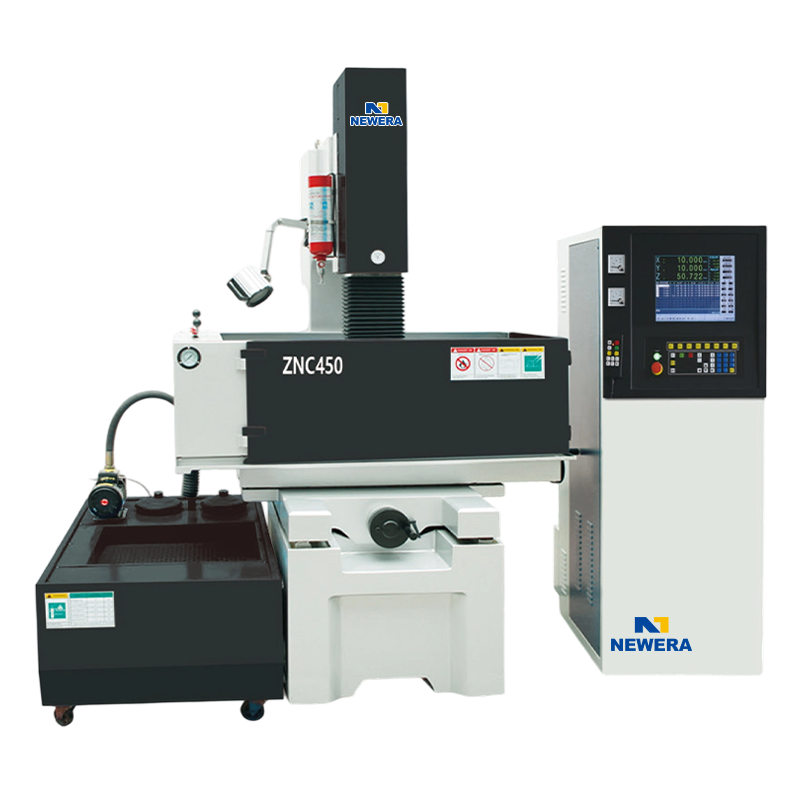
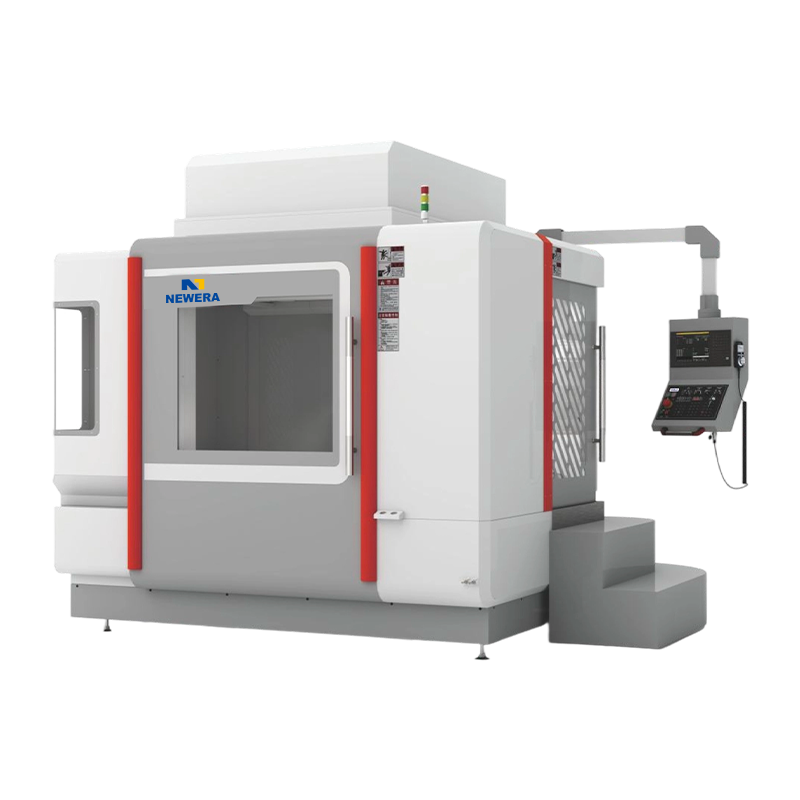
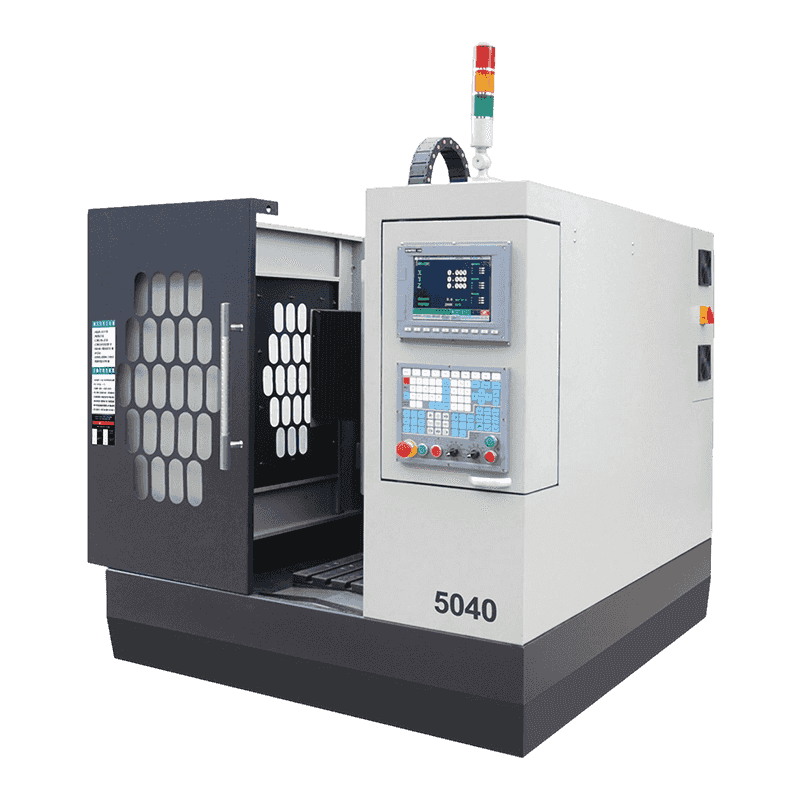
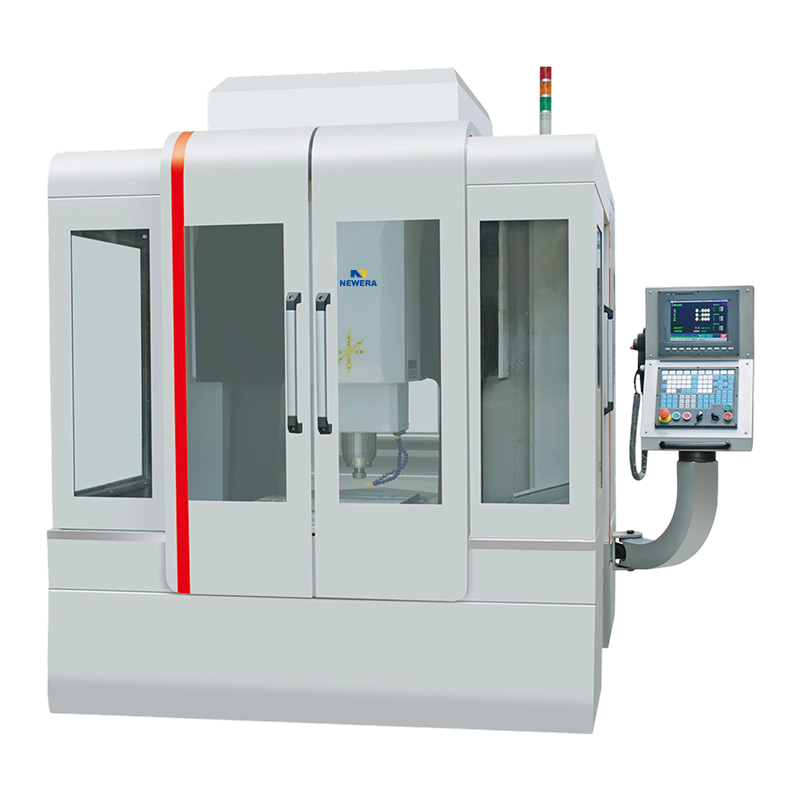
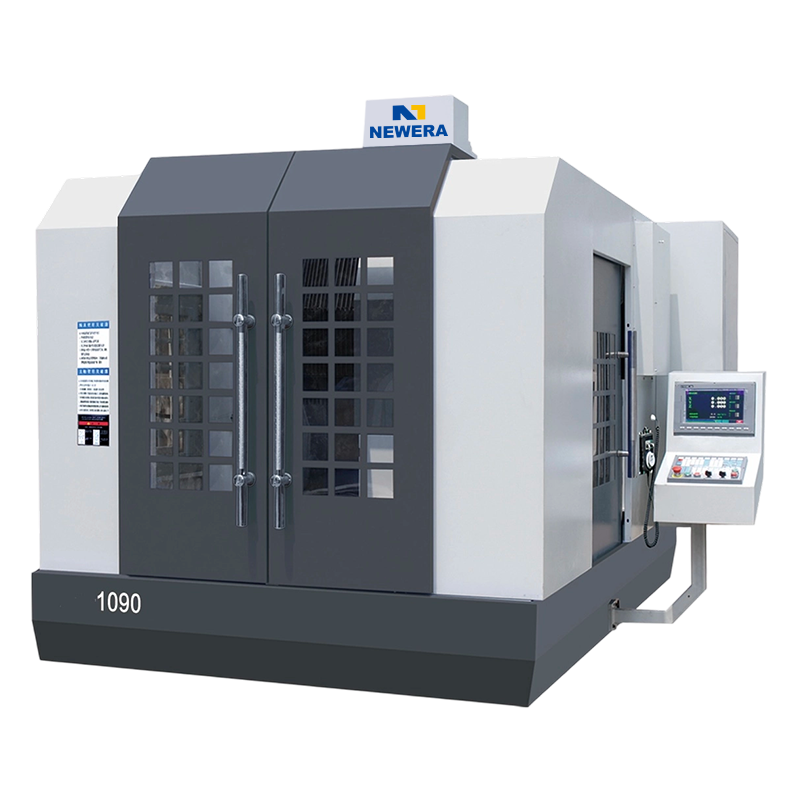
Specification
| Parameter | Specification |
| Process | Electrical discharge machining, sinking type |
| Worktable Size | 450 x 280 mm to 1100 x 650 mm |
| Axis Travel | 300 x 200 x 250 mm to 900 x 550 x 450 mm |
| Max Workpiece Weight | 500 kg to 2200 kg |
| Max Machining Current | 40 A to 80 A |
| Pulse Control | Adjustable on-time, off-time, and current |
| Polarity | Positive and negative selectable |
| Servo Gap Control | Closed-loop, adaptive |
| Best Surface Finish | Down to about Ra 0.2 um |
| Dielectric | Hydrocarbon EDM oil, with filtration |
| Protection | Arc, oil level, and temperature alarms |
| Control | CNC with stored parameter sets |
| Power Supply | 380 V, 3 phase, 50 Hz, others on request |
| Customization | Branding, language, accessories |
Application
Application Scenarios
| Industry | Typical Parts | Buyer Focus |
| Mold Making | Cavities, textured surfaces | Finish control, electrode wear |
| Aerospace and Energy | Slots in superalloys, cooling features | Hard material capability, process stability |
| Medical Devices | Instrument cavities, tiny features | Fine detail, surface cleanliness |
| General Precision Work | Fixtures, gauges, repair work | Flexibility, ease of use |
Target Customers
- Mold and Die MakersNeed hardened steel capability
- Aerospace SuppliersNeed machining of tough alloys without stress
- Medical ManufacturersNeed very fine details and clean surfaces
- Technical SchoolsNeed a clear machine for training on the process
Suitable and Unsuitable Uses
- Hard and tough conductive materials
- Delicate parts that cannot take cutting force
- Complex cavities and fine details
- Parts needing stress-free machining
- Non-conductive materials
- Very high volume removal in soft metals
- Jobs with extremely tight takt time and simple geometry
- Operations with no ability to handle dielectric fluid safely
Selection Guidance
- 1. Know the materialConductivity and hardness will guide settings, but not the choice of whether EDM is possible.
- 2. Balance speed and finishHigher current speeds up removal, while shorter pulses improve surface quality.
- 3. Plan the fluid systemChoose a machine whose filtration suits the volume of work you expect.
- 4. Think about trainingA clear interface and good manuals help new operators learn the principle faster.
Usage Notes
- Make sure the workpiece is clean and conductive at the contact point
- Confirm correct polarity for the electrode material
- Keep dielectric level above the burn zone
- Replace filters before pressure drop becomes high
- Do not leave the machine unattended without safety measures
- Allow the workpiece to cool before measuring
Advantages
- Non-contact machining
Because no cutting force is applied, thin walls and small features keep their shape, which reduces scrap on delicate or high-value parts.
- Adjustable pulse control
Operators can tune on-time, off-time, and current for each job, so the same machine can rough quickly and finish smoothly.
- Adaptive gap servo
The servo system adjusts to gap conditions in real time, which limits arcing and protects both electrode and workpiece.
- Hard material capability
Hardened steel, carbide, and superalloys can be machined after heat treatment, removing the risk of distortion from later hardening.
- Built-in protection
Alarms for arc, oil level, and temperature reduce fire and damage risk during long unattended burns.
- Flexible configuration
OEM and ODM options allow language, color, and accessories to be set to your market, so no extra redesign is needed.
Frequently Asked Questions
- Q: How does electrical discharge machining work?
- A: Sparks between an electrode and a conductive workpiece melt and vaporize tiny amounts of material while dielectric fluid flushes debris away.
- Q: What materials can be machined?
- A: Any electrically conductive material, including hardened steel, carbide, titanium, and many alloys.
- Q: What affects surface finish?
- A: Pulse on-time, current, electrode material, and flushing are the main factors.
- Q: Is there any stress on the part?
- A: There is no cutting force, so mechanical stress is minimal, though a thin recast layer forms on the surface.
- Q: What fluid is used?
- A: Most sinking machines use a hydrocarbon dielectric oil, which is filtered and recirculated.
- Q: Do you support OEM and ODM orders?
- A: Yes. Language, color, voltage, and accessory changes are available.
- Q: Can I buy one machine to evaluate?
- A: Yes. Standard models can be ordered as single units.
- Q: What support do you provide?
- A: We provide manuals, wiring diagrams, remote guidance, and spare parts supply.
Contact us to learn more
CONTACT DETAILS
Nantong New Era Technology Co., LTD
Five-star Industrial Park, Chongchuan District, Nantong City, Jiangsu Province, China
TEL:+86-19851302688
E-Mail: [email protected]