

 русский
 عربى
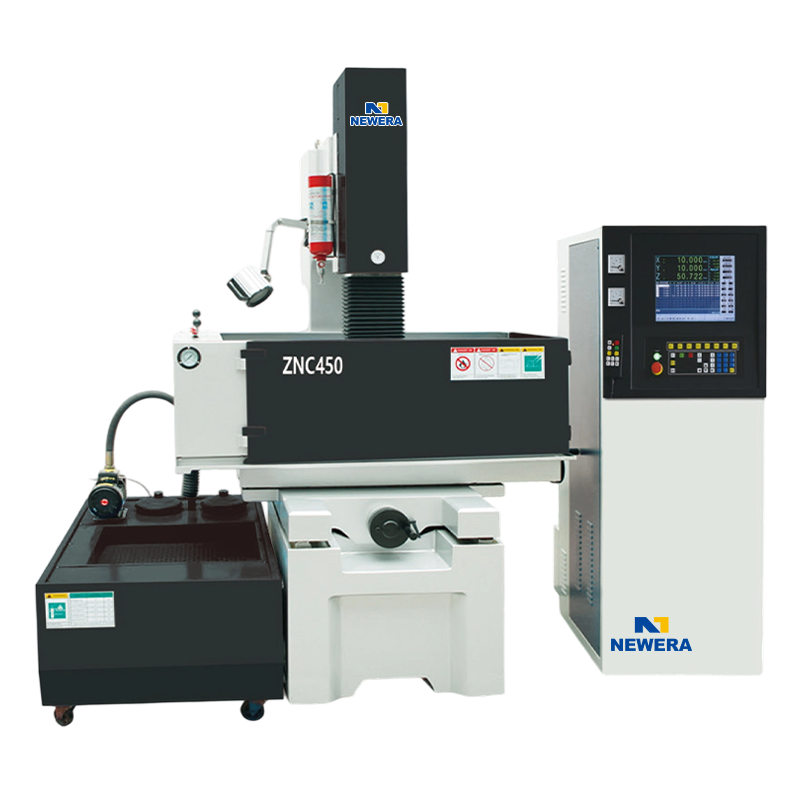
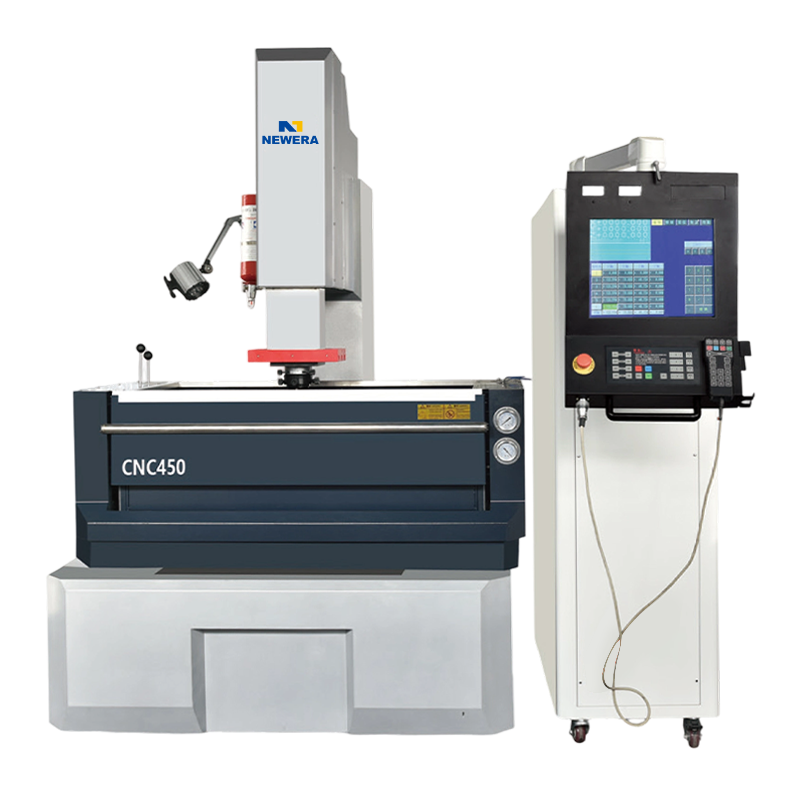
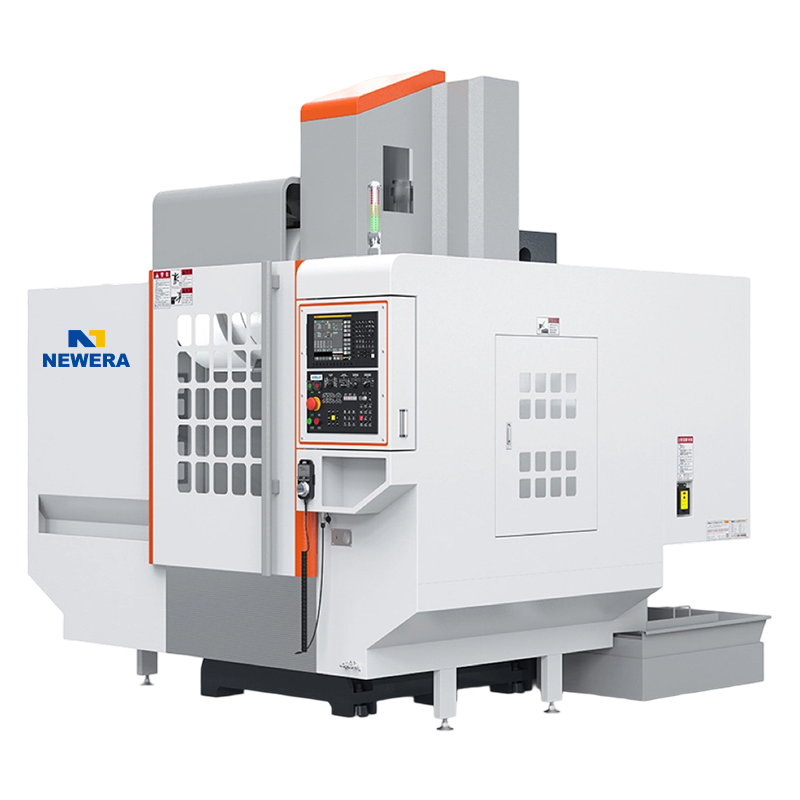
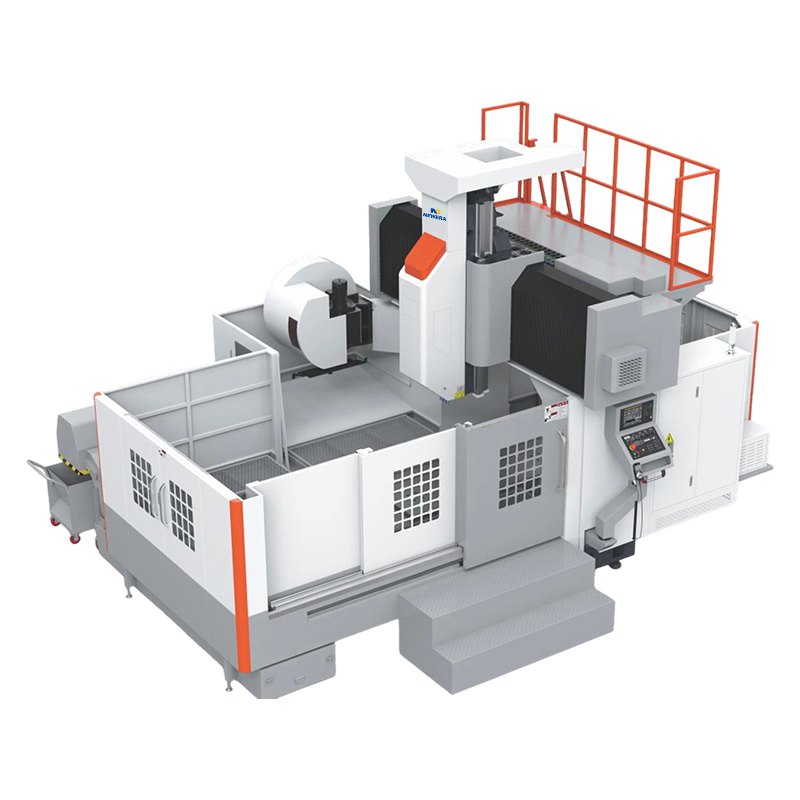
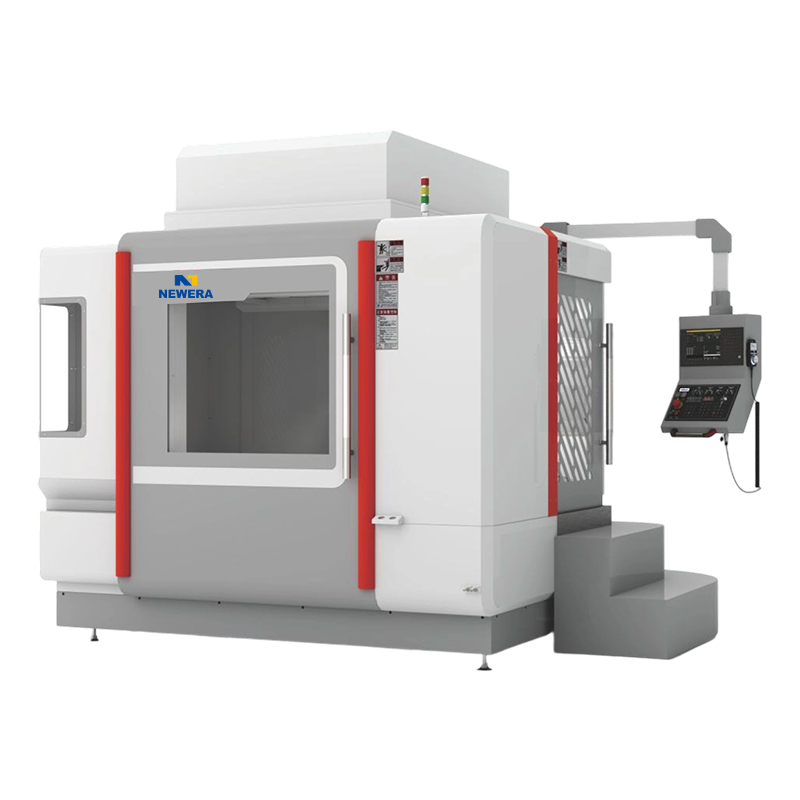
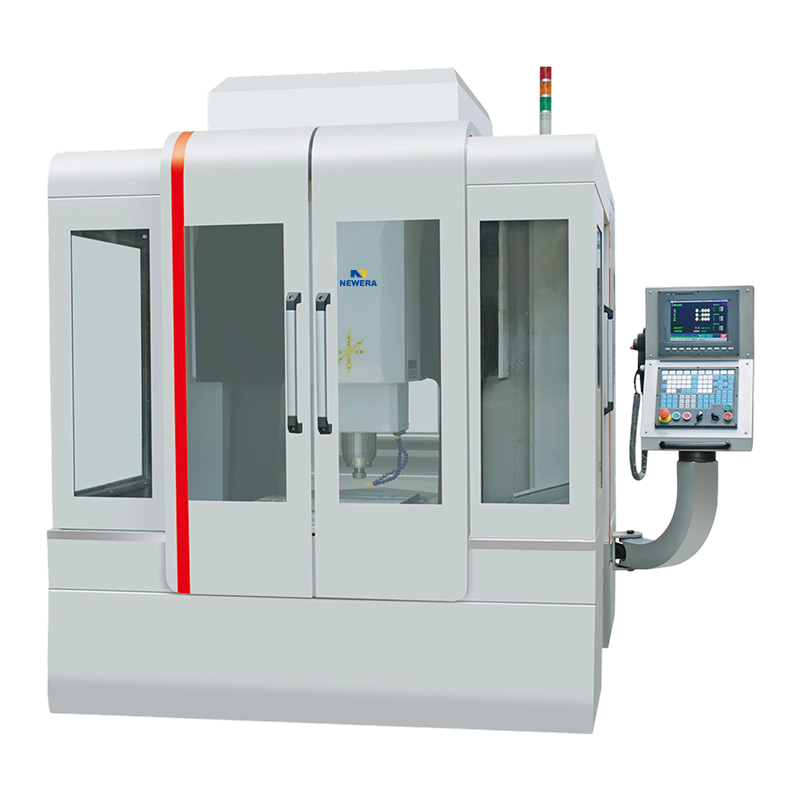
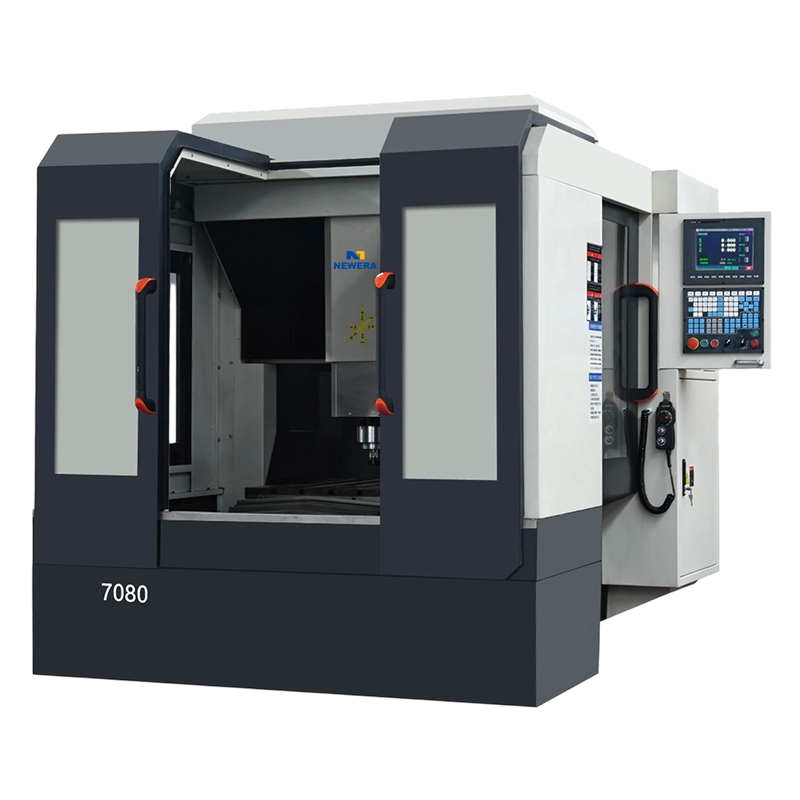
CNC Milling Machine
-- Steady & Reliable Manufacturer --
Brief Product Description
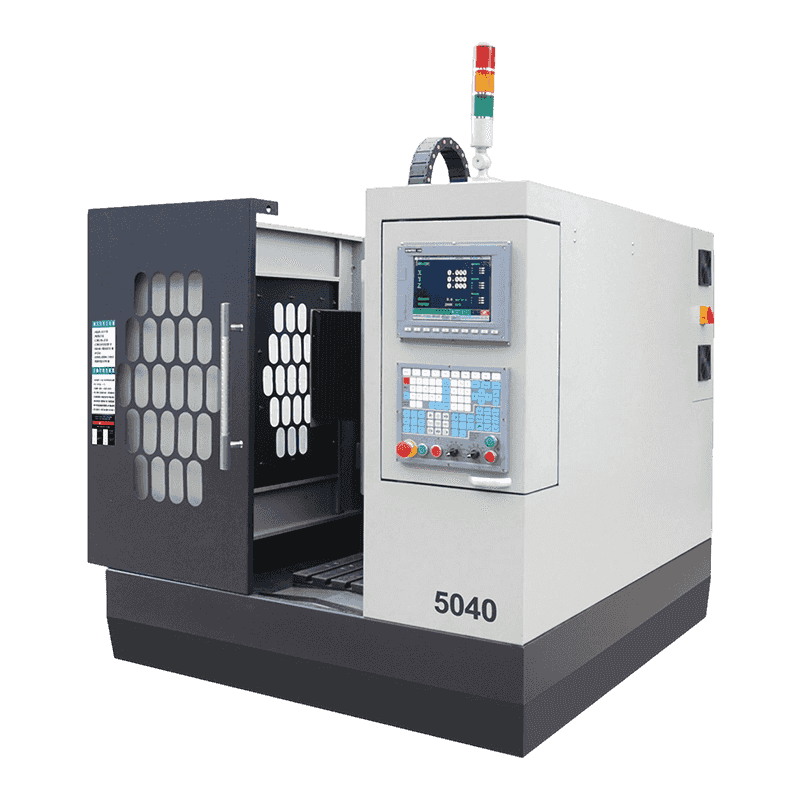
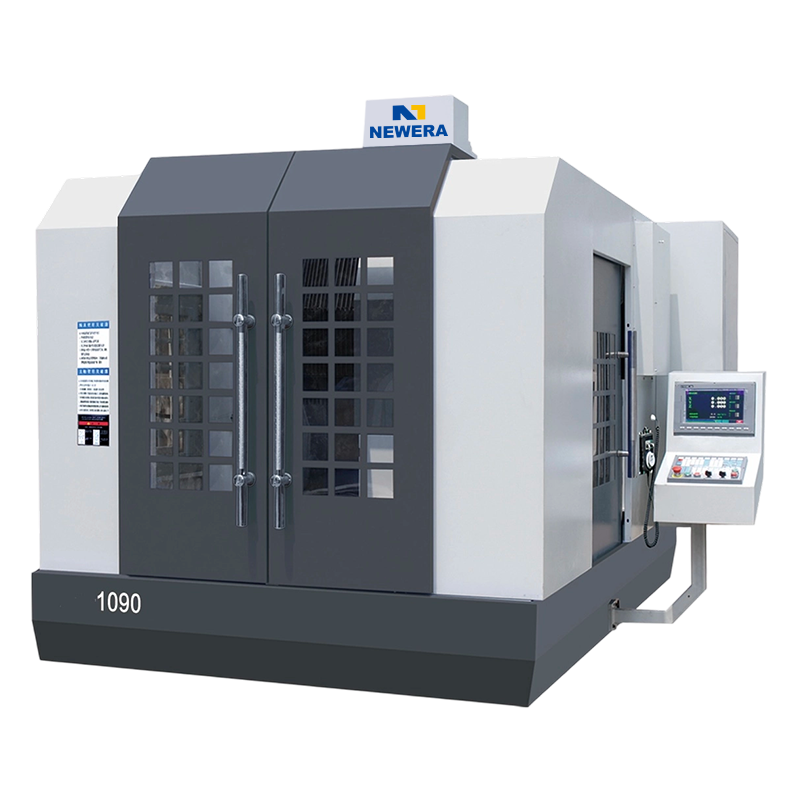
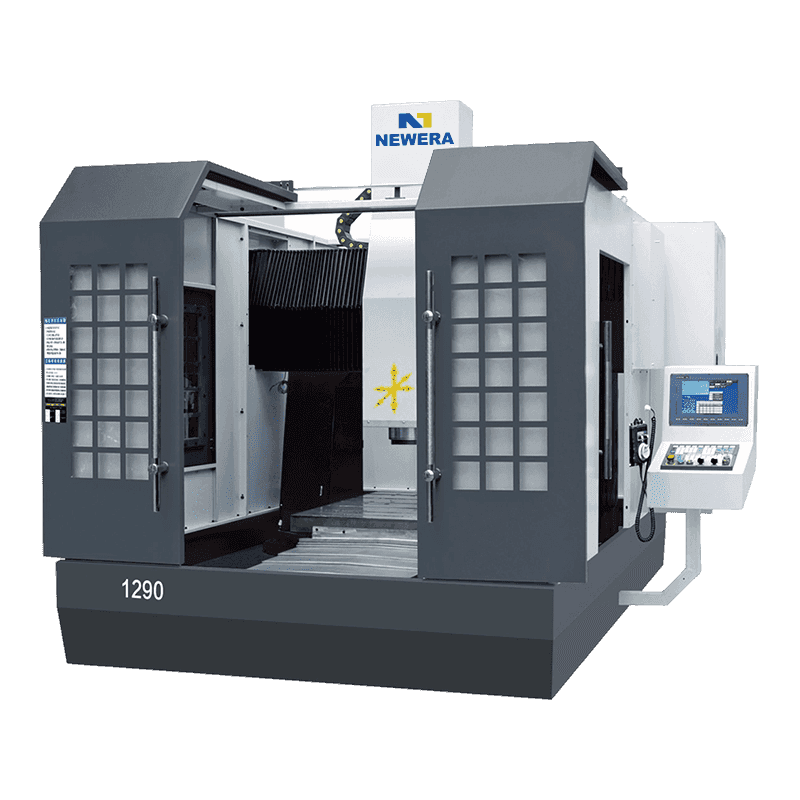
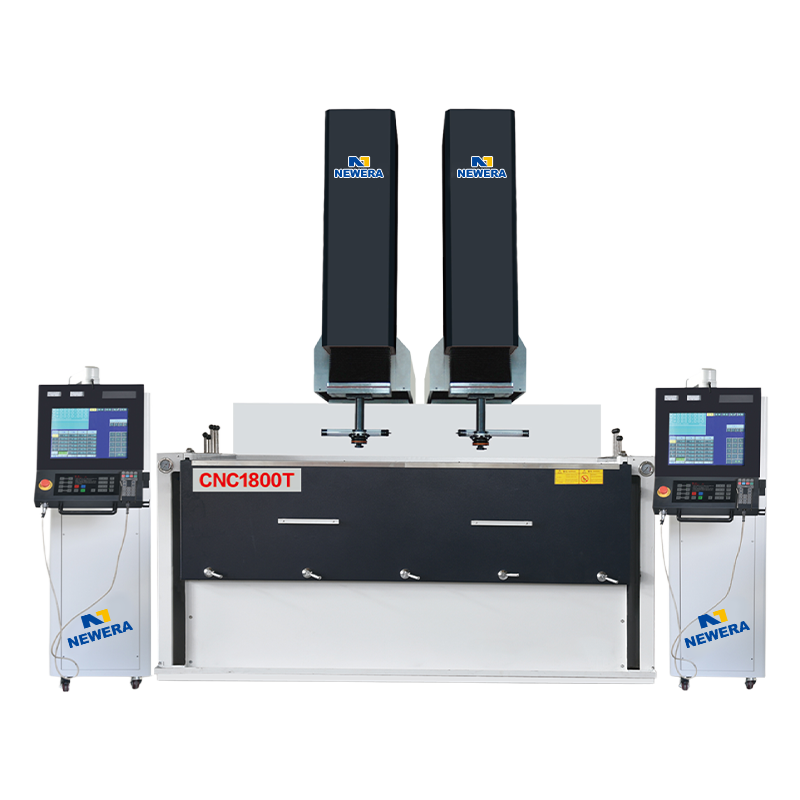
A CNC milling machine uses a rotating cutter and numerical control to remove material from a workpiece along programmed paths. Compared with a manual mill, it repeats every move exactly, allows complex contours, and lets one operator run several machines. It is the base machine of the metalworking industry, used for plates, housings, molds, fixtures, and countless general engineering parts.
Buyers include job shops, toolrooms, school and training centers, small factories, and dealers who supply them. They compare table size, axis travel, spindle power and speed, tool holding, controller type, and whether the machine has a tool changer or a manual tool change. For many shops, price, ease of learning, and reliable service weigh heavily.
Nantong New Era Technology Co., Ltd. has developed and produced numerical control machines and CNC machine tools for more than 20 years. We support OEM and ODM options such as controller language, branding, color, and accessories, and we can discuss sample cutting before you order. Standard models can be purchased as a single unit for trial.
Tell us your typical part size, material, and tolerance, and whether you need an automatic tool changer. We will recommend a suitable model and explain the difference between simple CNC milling and a full machining center, so that you invest in the capacity you actually need and can upgrade later.
- ProcessProgrammed milling with rotating cutters
- Typical UsersJob shops, toolrooms, schools, factories
- Key ParametersTravel, table, spindle, tool holding, controller
- VersionsBed type, with or without tool changer
- CustomizationLanguage, branding, color, accessories
- Order TermsSample cutting, single unit, export packing
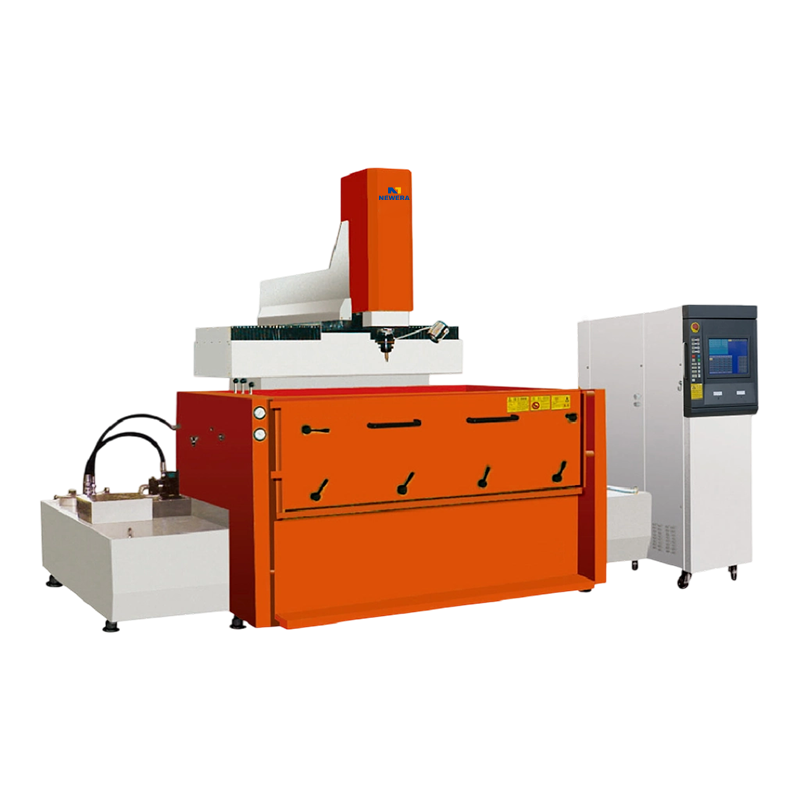
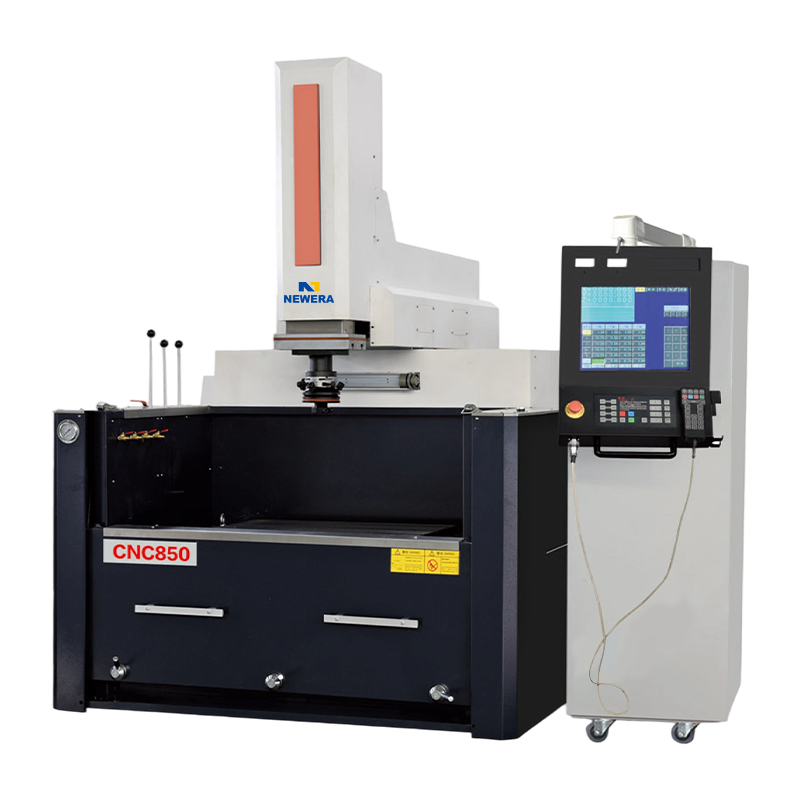
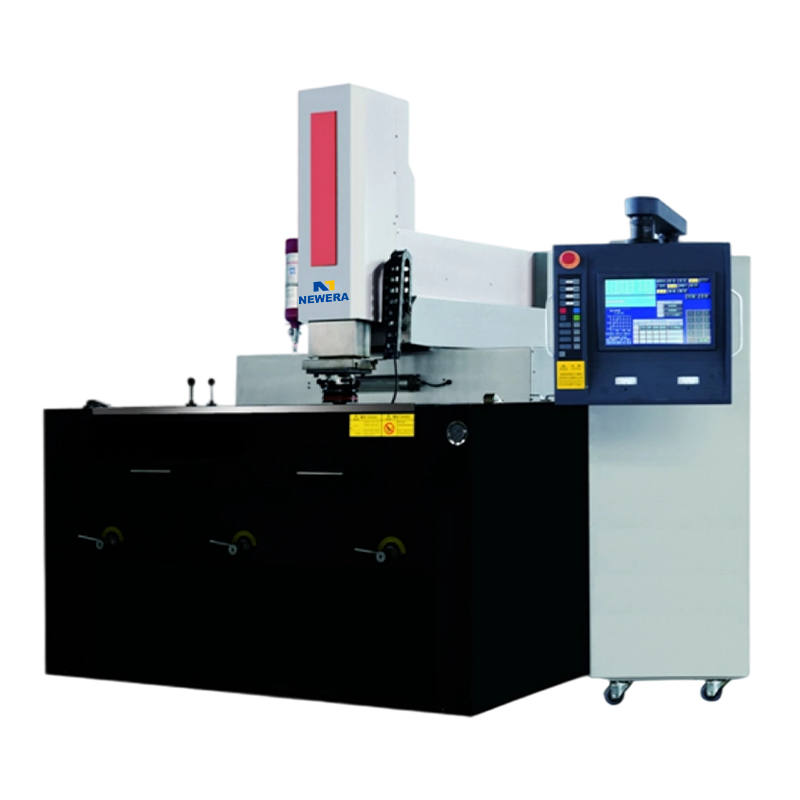
Specification
| Parameter | Specification |
| Machine Type | CNC milling machine |
| Axis Configuration | 3 axes |
| X / Y / Z Travel | 500 x 300 x 400 mm to 1000 x 500 x 550 mm |
| Table Size | 600 x 300 mm to 1100 x 500 mm |
| Max Table Load | 200 kg to 600 kg |
| Spindle Taper | BT30 or BT40, by model |
| Spindle Speed | 6000 to 10000 rpm |
| Spindle Power | 5.5 kW to 11 kW |
| Tool Change | Manual or automatic, by model |
| Rapid Traverse | 15 to 30 m/min |
| Guideways | Linear or box type, by model |
| Control | CNC controller, options by model |
| Power Supply | 380 V, 3 phase, 50 Hz, others available |
| Customization | Language, branding, color, accessories |
Application
Application Scenarios
| Industry | Typical Parts | Buyer Focus |
| General Machining | Plates, brackets, covers | Flexibility, low setup time |
| Toolroom Work | Fixtures, jigs, small molds | Accuracy, ease of use |
| Training | Teaching CNC programming | Clear controller, safety |
| Small Batch Production | Housings, mounting parts | Repeatability, running cost |
Target Customers
- Job ShopsNeed flexible machines for varied work
- ToolroomsNeed accurate small parts and fixtures
- Training CentersNeed an easy controller for students
- DealersNeed a standard model with documents
Suitable and Unsuitable Uses
- Plates, covers, and prismatic parts
- Small and medium batches
- Mold bases and fixtures
- Replacing manual mills
- Heavy parts beyond table load
- Very high volume work needing automation
- Large cavities that need a gantry
- Shops with no programming skills at all
Selection Guidance
- 1. Decide on tool changeAutomatic changers save time on varied parts, manual change keeps the cost lower.
- 2. Match the spindleSpeed suits light alloys, torque suits steel.
- 3. Check rigidityA solid base and good guideways keep accuracy.
- 4. Choose the controllerPick a system operators can learn quickly.
Usage Notes
- Fix the vise and workpiece firmly
- Set work offsets and tool lengths carefully
- Use suitable cutting parameters for the material
- Keep coolant and chips under control
- Warm up the spindle before precision cuts
- Follow the lubrication schedule
Advantages
- Programmed accuracy
Servo-controlled axes follow programs exactly, which gives repeatable parts and reduces scrap compared with manual milling.
- Flexible configurations
Bed-type models with or without a tool changer let you buy the capacity you need and upgrade later.
- Easy learning
A clear controller interface shortens operator training, which helps schools and small shops start production sooner.
- Solid structure
A rigid cast base and quality guideways support stable cutting and consistent surface finish.
- Wide part range
Plates, molds, fixtures, and housings can all be machined with the same machine and different programs.
- Customization options
Language, color, branding, and accessories can be adjusted to your market under OEM and ODM terms.
Frequently Asked Questions
- Q: What is the difference between a CNC milling machine and a machining center?
- A: A machining center has an automatic tool changer and is aimed at production. A CNC mill may use manual tool change.
- Q: Can it cut steel and aluminum?
- A: Yes, with suitable tools and parameters.
- Q: What controller options are available?
- A: Several controller options are available, confirmed in the quotation.
- Q: Can I add a rotary table?
- A: Yes, as an option on selected models.
- Q: Is it suitable for training?
- A: Yes, many schools use CNC mills with clear controllers.
- Q: Do you offer OEM service?
- A: Yes, including branding, language, and color.
- Q: Can I order one unit?
- A: Yes, standard models can be ordered as a single unit.
- Q: What documents are included?
- A: Manual, wiring diagram, and packing list.
Contact us to learn more
CONTACT DETAILS
Nantong New Era Technology Co., LTD
Five-star Industrial Park, Chongchuan District, Nantong City, Jiangsu Province, China
TEL:+86-19851302688
E-Mail: [email protected]