

 русский
 عربى
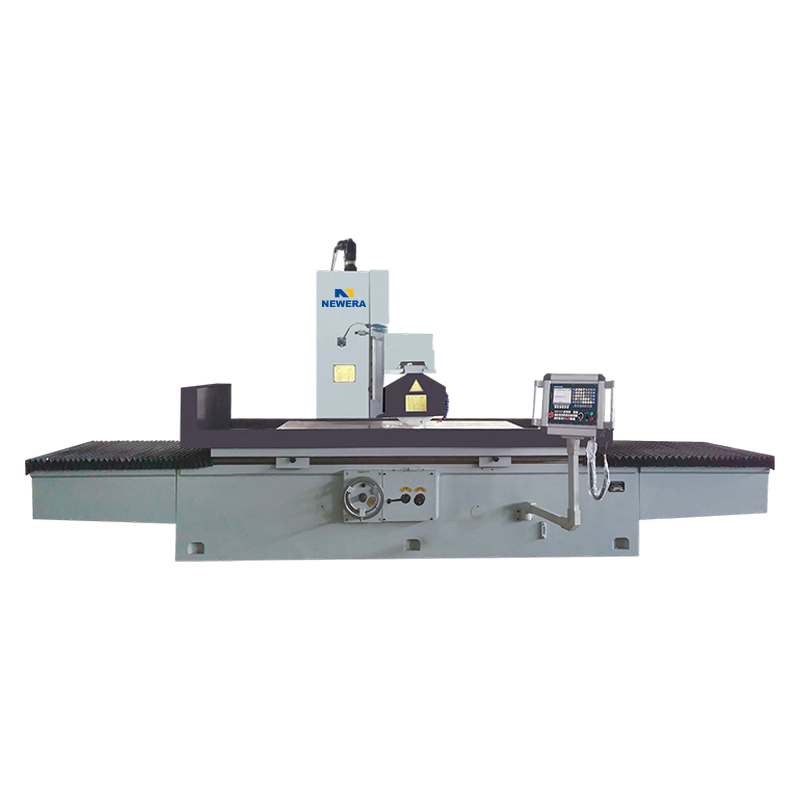
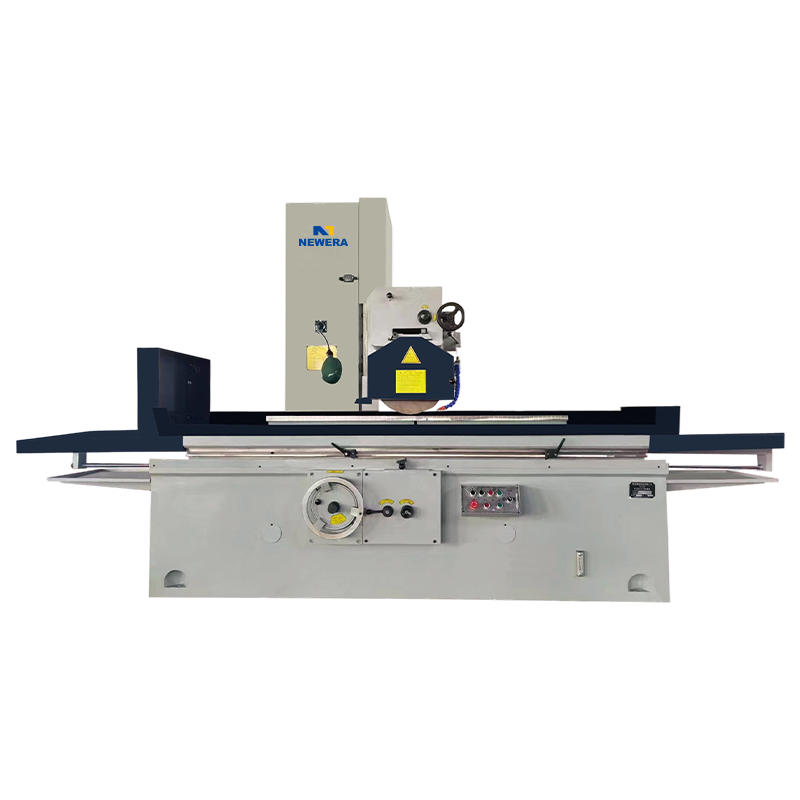
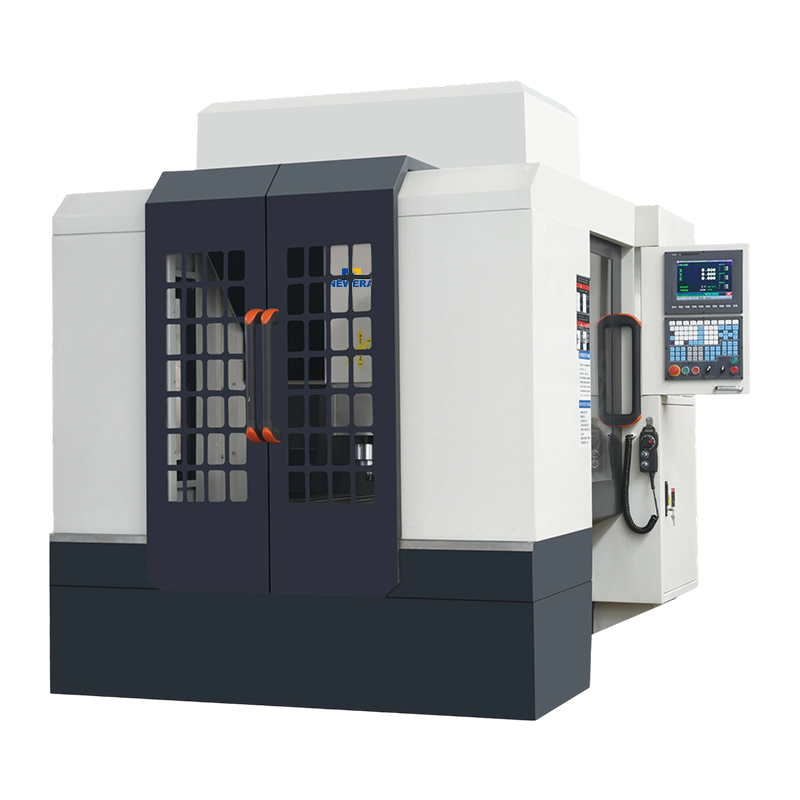
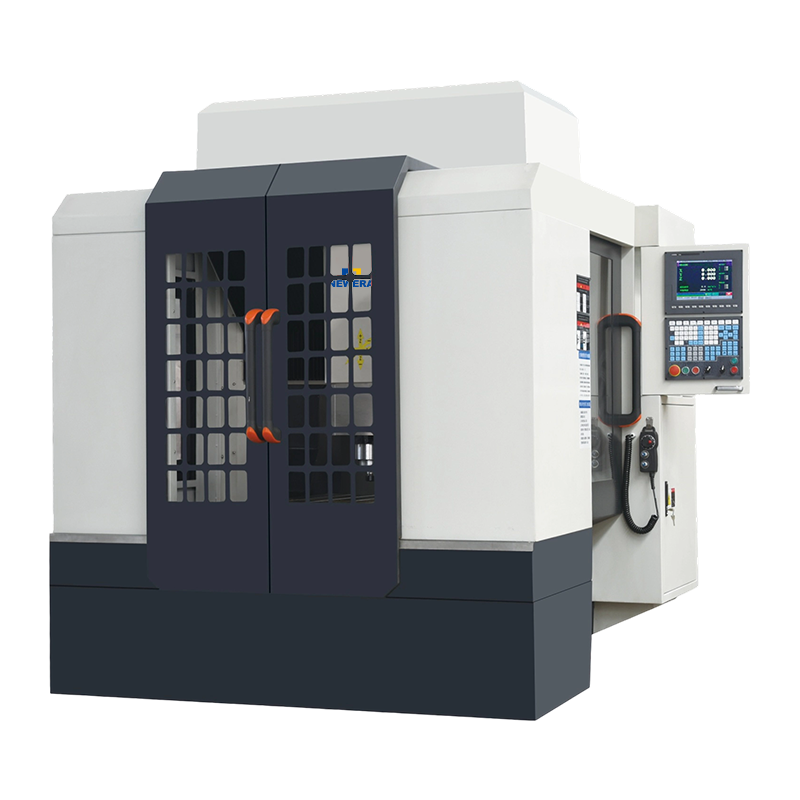
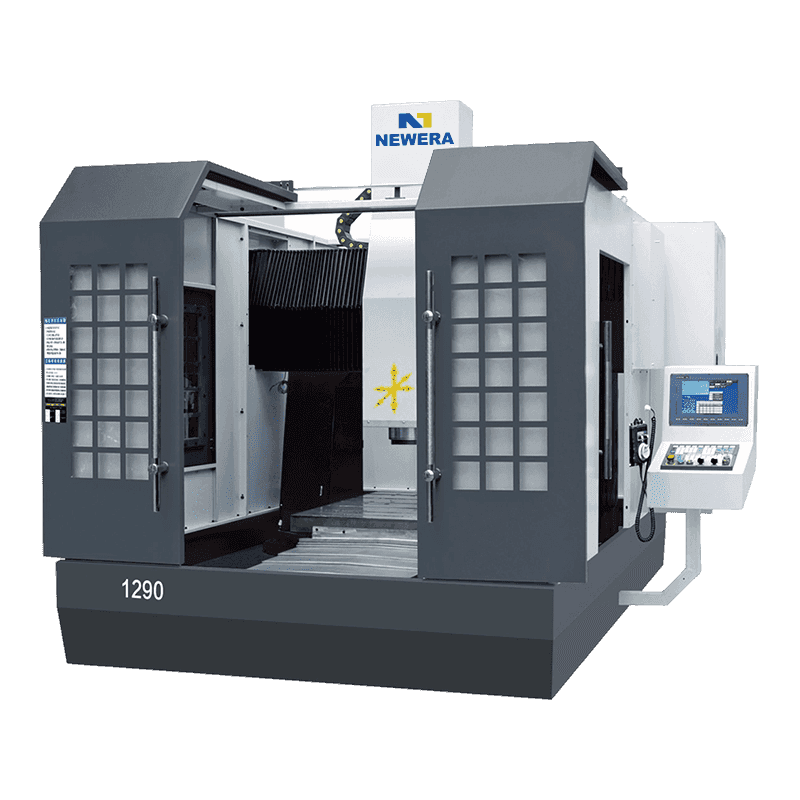
Surface Grinding Machine
-- Steady & Reliable Manufacturer --
Brief Product Description
A surface grinding machine uses a rotating abrasive wheel to produce flat, smooth, and accurate surfaces on metal parts. The workpiece is usually held on a magnetic chuck and passes beneath the wheel, which removes very small amounts of material per pass. It is the standard way to finish hardened steel plates, die components, and precision tools to tight flatness and parallelism.
Typical buyers are mold and die shops, tooling and gauge makers, bearing and machinery component suppliers, and maintenance workshops. They check table size, maximum grinding length and width, wheel size, spindle power, vertical feed resolution, and the type of control, whether manual, semi-automatic, or CNC.
Nantong New Era Technology Co., Ltd. has produced numerical control machines and CNC machine tools for more than 20 years. We support OEM and ODM service for grinding equipment, including controller options, branding, color, and accessories, and we can discuss sample grinding before you decide. Standard models can be ordered as a single unit.
Please send your typical workpiece size, material, hardness, and required flatness and finish. We will recommend a model with a suitable table, wheel, and feed, and advise on wheel selection and coolant filtration so that you reach stable quality quickly.
- ProcessAbrasive wheel grinding of flat surfaces
- Typical UsersMold, die, tooling, gauge, maintenance shops
- Key ParametersTable size, wheel size, feed resolution, power
- WorkholdingMagnetic chuck, other fixtures on request
- CustomizationController, branding, color, accessories
- Order TermsSample grinding, single unit, export packing
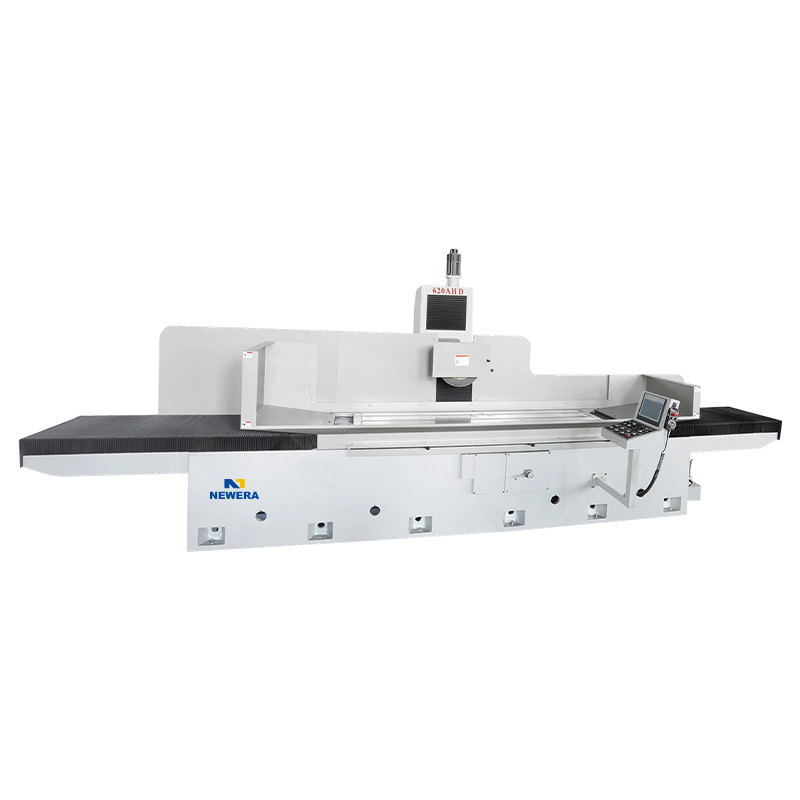
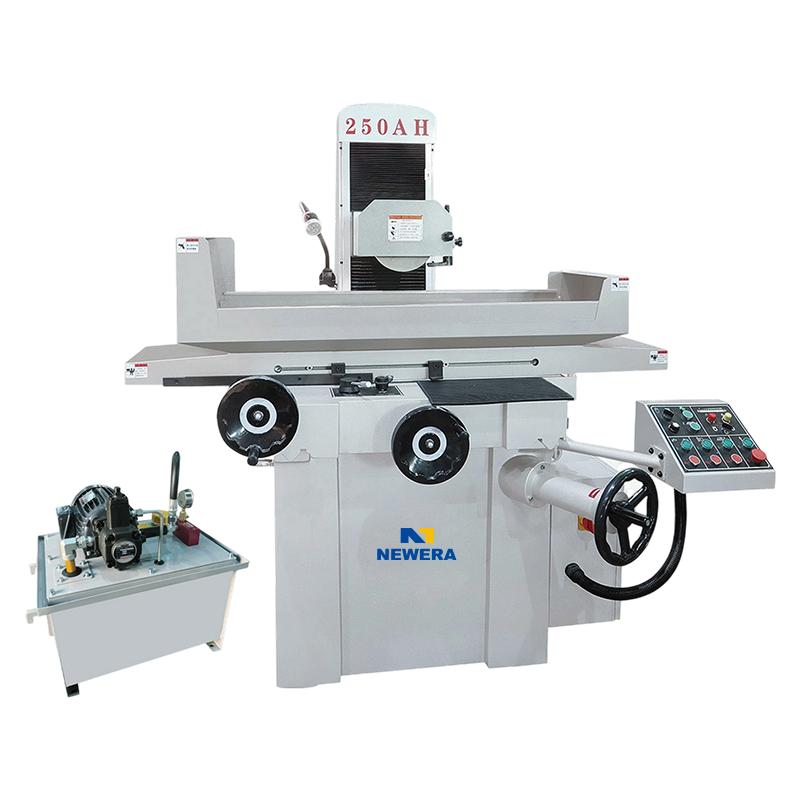
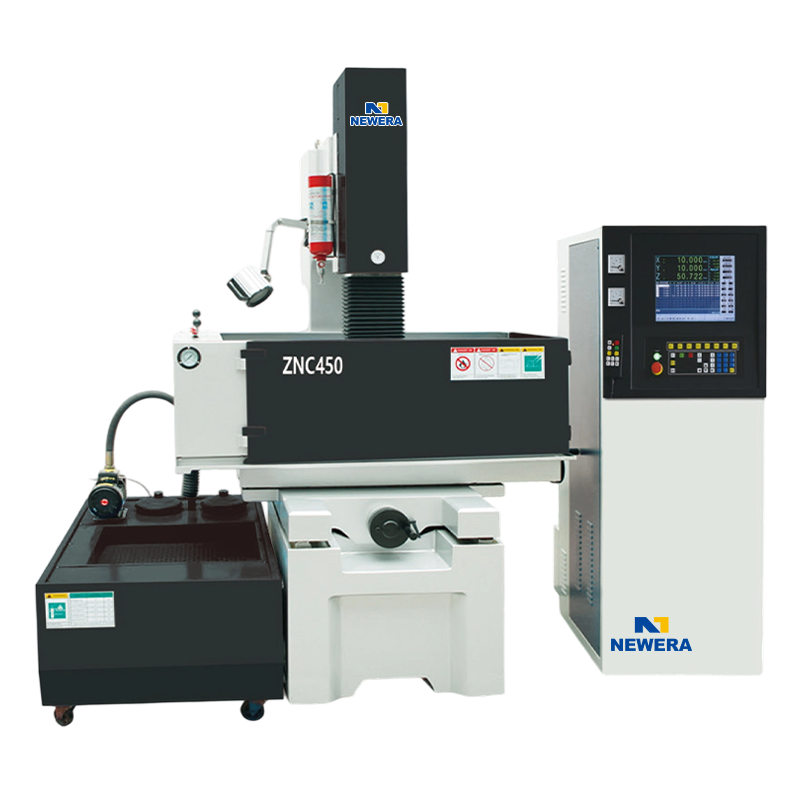
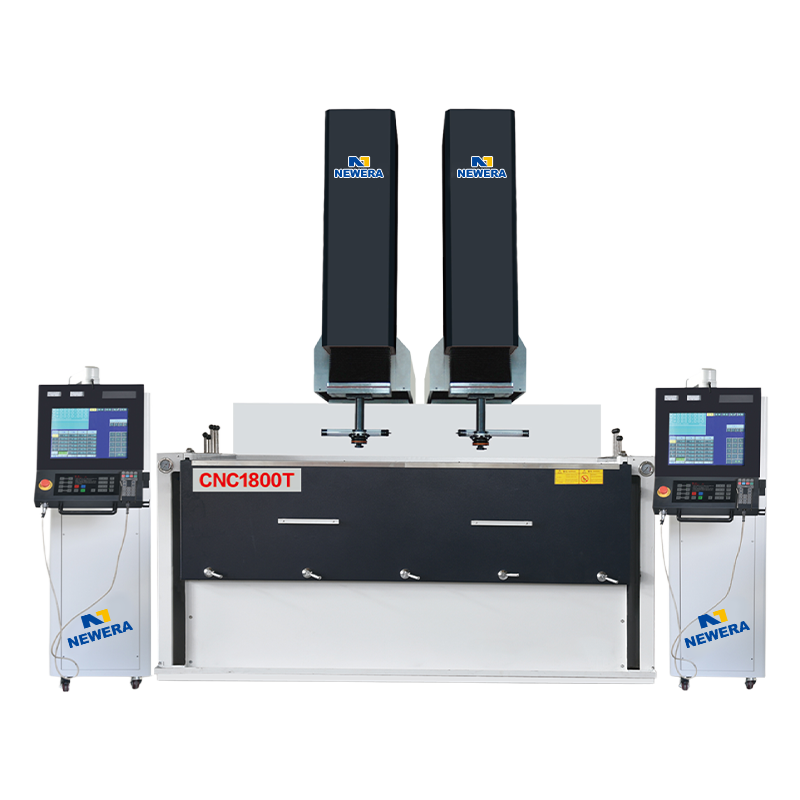
Specification
| Parameter | Specification |
| Machine Type | Surface grinding machine |
| Table Size | 200 x 500 mm to 500 x 1500 mm |
| Max Grinding Length | 500 mm to 1500 mm |
| Max Grinding Width | 200 mm to 500 mm |
| Max Distance Spindle to Table | 400 mm to 600 mm |
| Wheel Size | Typically 300 x 40 x 76.2 mm to 400 x 50 x 127 mm |
| Spindle Power | 3 kW to 11 kW |
| Spindle Speed | About 1450 to 1800 rpm |
| Vertical Feed Resolution | 0.001 mm to 0.005 mm, by model |
| Table Speed | 3 to 25 m/min, hydraulic or servo |
| Workholding | Magnetic chuck |
| Control | Manual, semi-automatic, or CNC, by model |
| Power Supply | 380 V, 3 phase, 50 Hz, others available |
| Customization | Controller, branding, color, accessories |
Application
Application Scenarios
| Industry | Typical Parts | Buyer Focus |
| Mold and Die | Plates, inserts, backing blocks | Flatness, parallelism, hardened steel finish |
| Tooling | Punches, gauges, fixtures | Precision, surface quality |
| Machinery Components | Guide plates, spacers, rings | Repeatability, batch output |
| Maintenance | Worn plates, wear parts | Easy operation, flexibility |
Target Customers
- Mold MakersNeed flat, parallel steel plates
- Tooling ShopsNeed precise gauge and punch finishing
- Component SuppliersNeed repeatable batch grinding
- Maintenance TeamsNeed a simple machine for repair work
Suitable and Unsuitable Uses
- Flat surfaces on hardened steel
- Plates needing tight parallelism
- Small to medium workpieces on a magnetic chuck
- Light finishing with low heat
- Cylindrical parts needing a cylindrical grinder
- Heavy stock removal in soft metals
- Non-magnetic parts without proper fixtures
- Very large parts beyond the table
Selection Guidance
- 1. Match table and heightChoose by your largest part and its height.
- 2. Choose control levelManual suits toolrooms, CNC suits repeat batches.
- 3. Select the wheelWheel type depends on material and finish.
- 4. Plan the coolantGood filtration protects finish and the machine.
Usage Notes
- Dress the wheel before precision work
- Check magnetic chuck cleanliness and holding force
- Use light passes on hardened material
- Keep coolant filtered and flowing
- Let parts reach room temperature before measuring
- Use wheel guards and follow safety rules
Advantages
- Micron-level feed
Fine vertical feed resolution lets operators remove very small amounts per pass, which controls final size and flatness on precision parts.
- Stable structure
A rigid column and precise guideways reduce vibration, giving a more uniform surface and longer wheel life.
- Control options
Manual, semi-automatic, and CNC versions suit different budgets and batch sizes.
- Low-heat finishing
Light cuts with coolant keep temperature low, which protects hardened parts from burn and distortion.
- Magnetic workholding
A magnetic chuck holds steel plates securely and speeds up loading and unloading.
- Customization
Controller, branding, color, and accessories can be adjusted under OEM and ODM terms.
Frequently Asked Questions
- Q: What does a surface grinding machine do?
- A: It grinds flat surfaces on metal parts to precise flatness and parallelism using an abrasive wheel.
- Q: What materials can be ground?
- A: Hardened steel, tool steel, and many other metals that can be held on a magnetic chuck or fixture.
- Q: What flatness can I expect?
- A: It depends on the model, wheel, and setup. A test grind can show results on your part.
- Q: Is CNC control available?
- A: Yes, CNC versions are available as well as manual and semi-automatic models.
- Q: What does the machine include?
- A: Magnetic chuck, coolant system, and basic accessories, listed in the quotation.
- Q: Can I order one unit?
- A: Yes, standard models can be ordered as a single unit.
- Q: How do I choose a grinding wheel?
- A: It depends on material and finish. We can advise on typical wheels.
- Q: What support is provided?
- A: Manuals, wiring diagrams, and remote guidance.
Contact us to learn more
CONTACT DETAILS
Nantong New Era Technology Co., LTD
Five-star Industrial Park, Chongchuan District, Nantong City, Jiangsu Province, China
TEL:+86-19851302688
E-Mail: [email protected]