

 русский
 عربى
Sinker EDM Machine
-- Steady & Reliable Manufacturer --
Brief Product Description
A sinker EDM machine, also known as a ram or cavity EDM machine, burns the shape of a prepared electrode into a hardened workpiece using controlled sparks in dielectric oil. It handles geometry that cutters cannot reach, such as deep narrow ribs, sharp corners, and detailed textures, while leaving the heat-treated hardness of tool steel untouched.
Sinker EDM machines are purchased by mold makers, tool and die shops, aerospace subcontractors, and distributors. Practical buying questions center on electrode wear, the size of the electrode that the head can carry, the flushing method, the jump and orbit functions, and how quickly the generator can rough and then finish within one setup. Reliable servo motion on the Z axis decides whether deep cavities burn cleanly.
Nantong New Era Technology Co., Ltd. brings more than 20 years of numerical control and CNC machine tool experience to each sinker EDM machine we build. We can adapt the controller language, electrical standard, color, and accessories under OEM and ODM terms. Sample burns can be arranged before purchase, and standard models can be ordered in single units. Tell us your material, cavity depth, and surface target, and we will suggest a matching configuration.
When choosing a sinker, think about how your shop prepares electrodes and how often cavities run unattended. A machine with strong jump control, reliable flushing, and protection alarms supports longer unattended burns and lowers labor cost per part. We can also advise on starting parameters for graphite and copper electrodes, which shortens the learning curve for new operators and reduces wasted electrode material in early trials.
- Machine ClassRam-type sinker EDM
- Electrode ChoiceGraphite, copper, copper tungsten
- Key ParametersJump speed, orbit, flushing, finish range
- Typical UsersMold, tool and die, aerospace shops
- CustomizationController language, color, accessories
- Order TermsSample burn, single unit, export packing
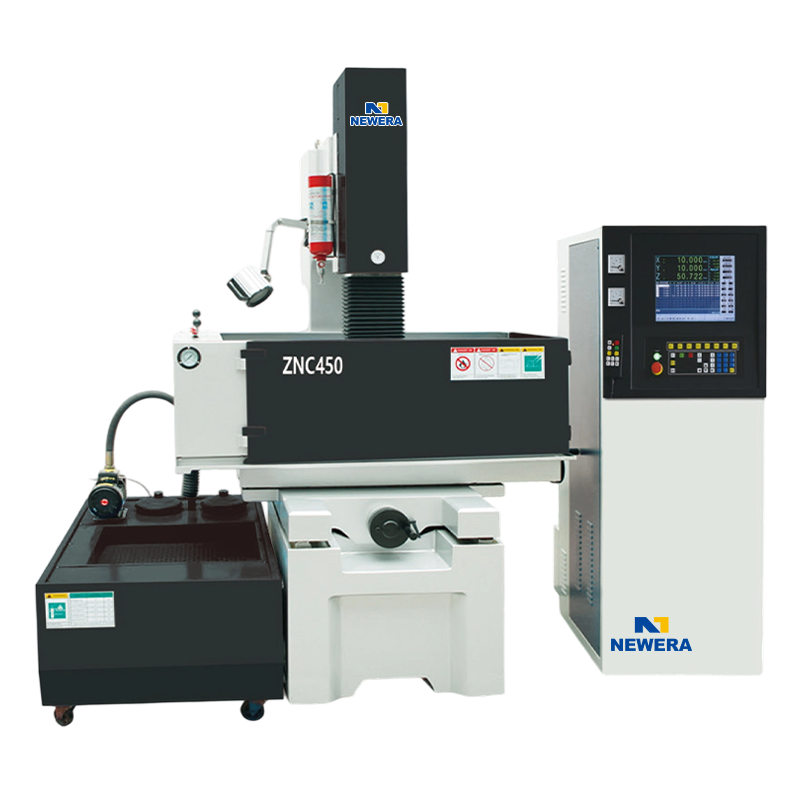
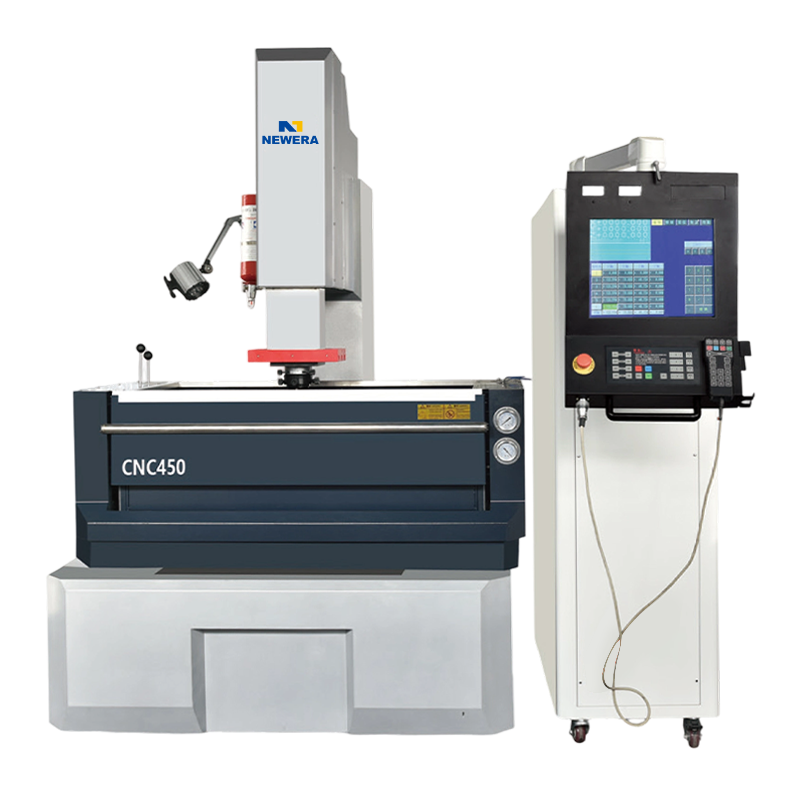
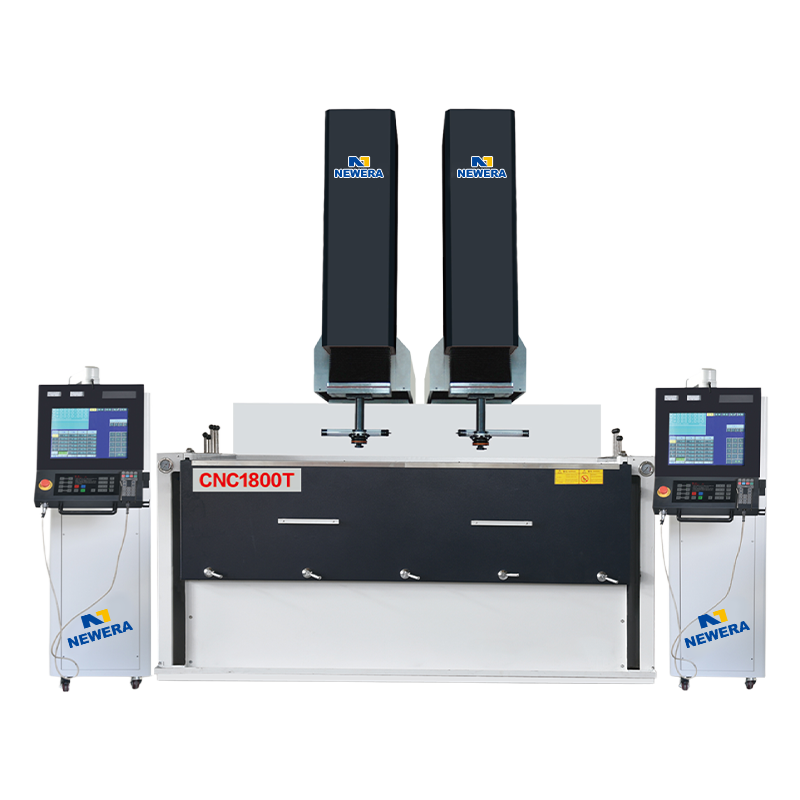
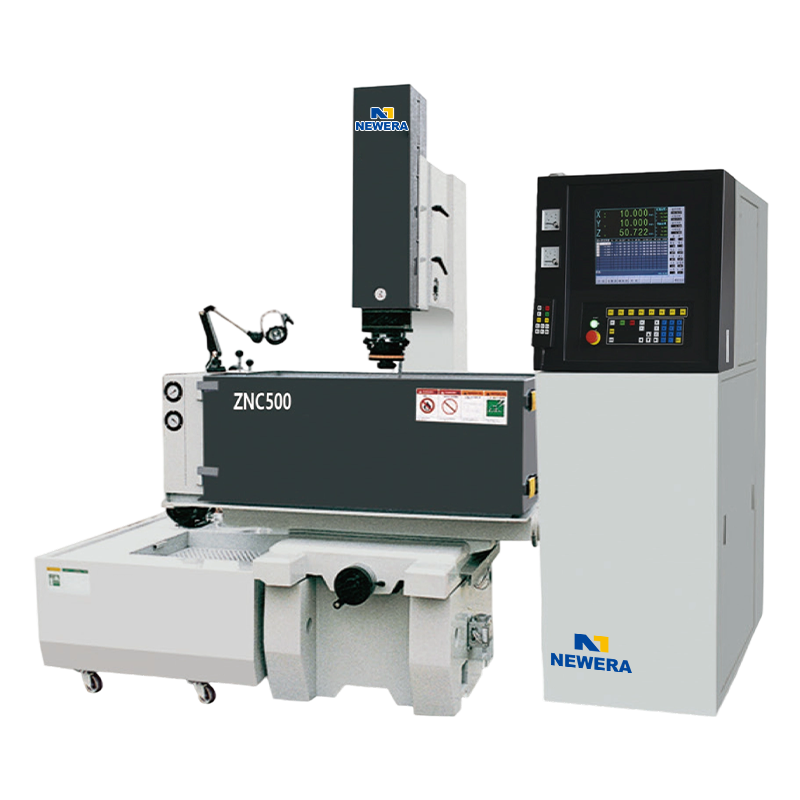
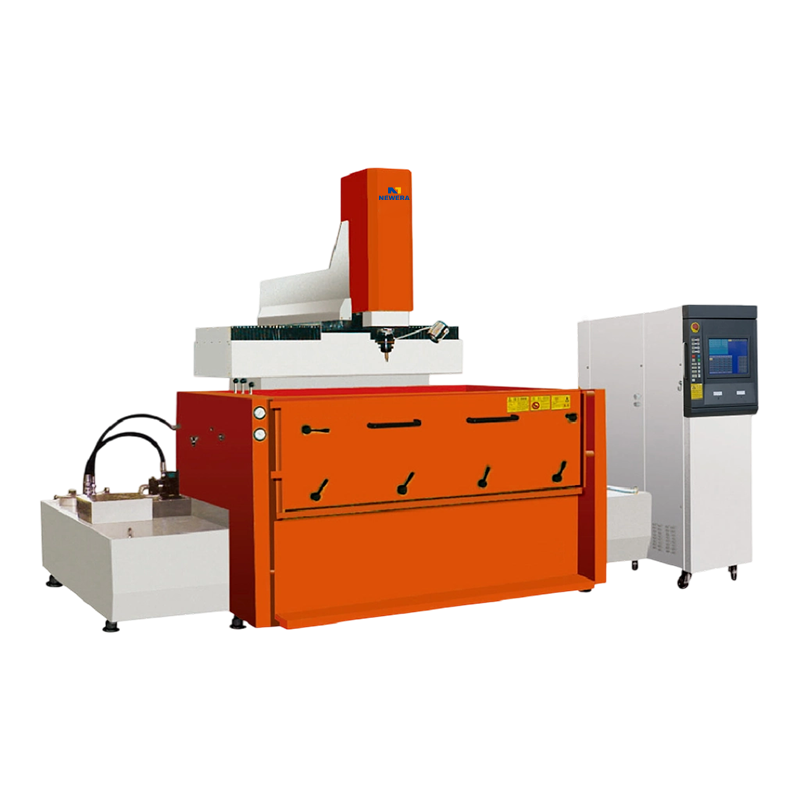
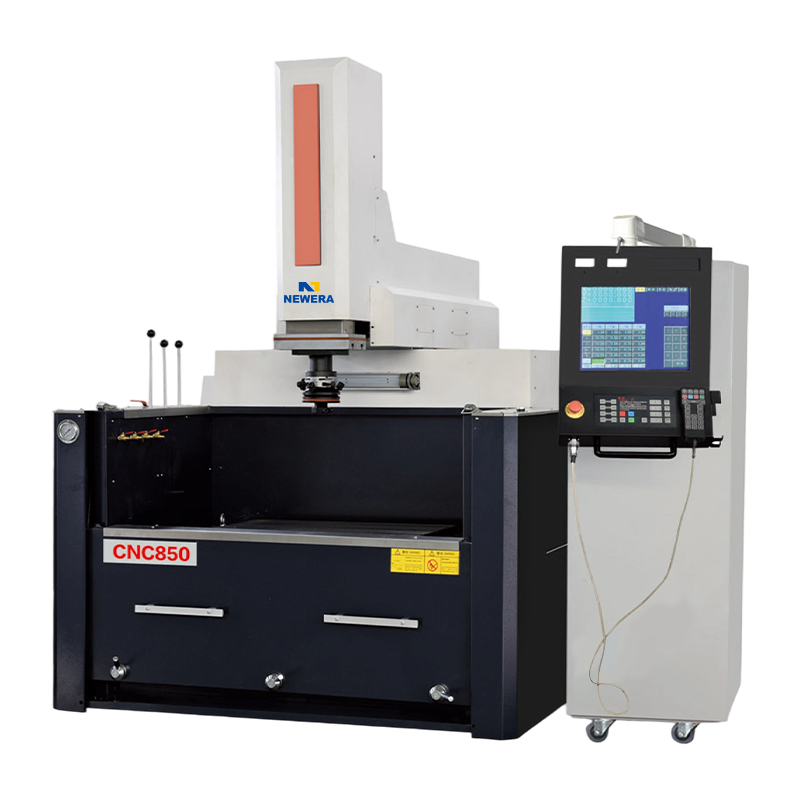
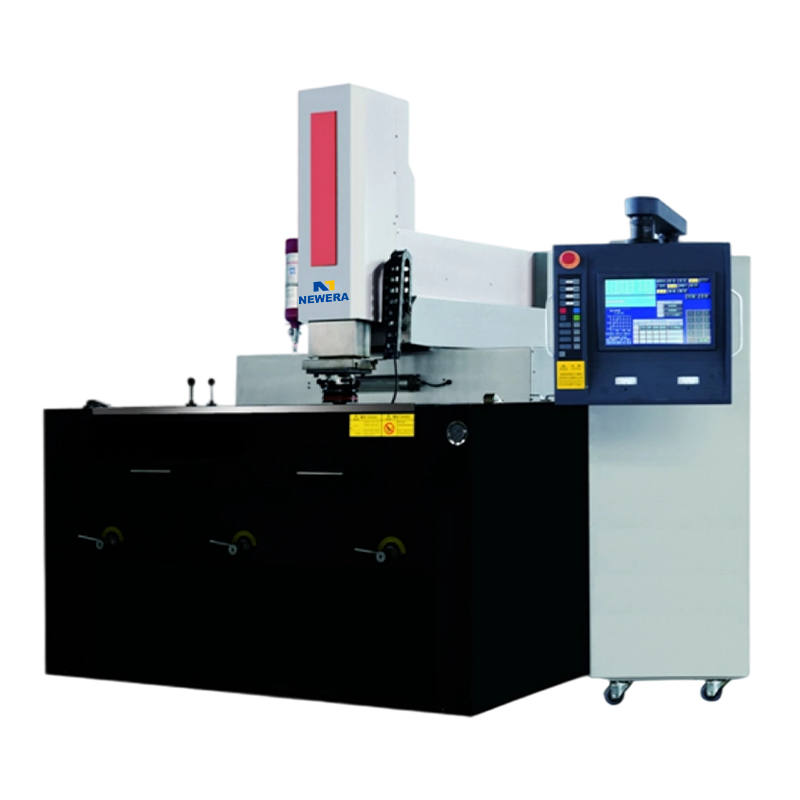
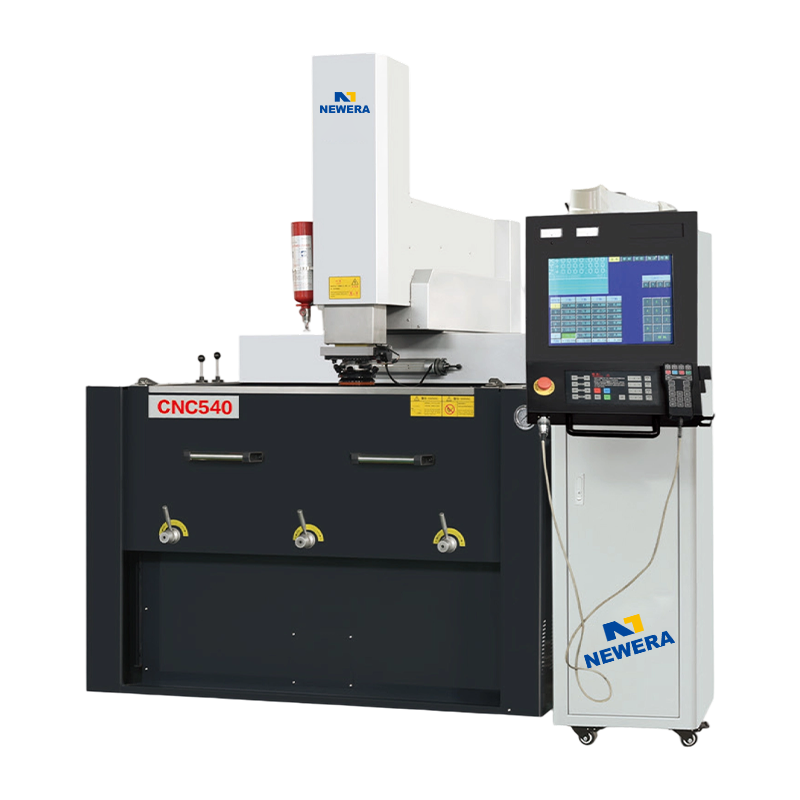
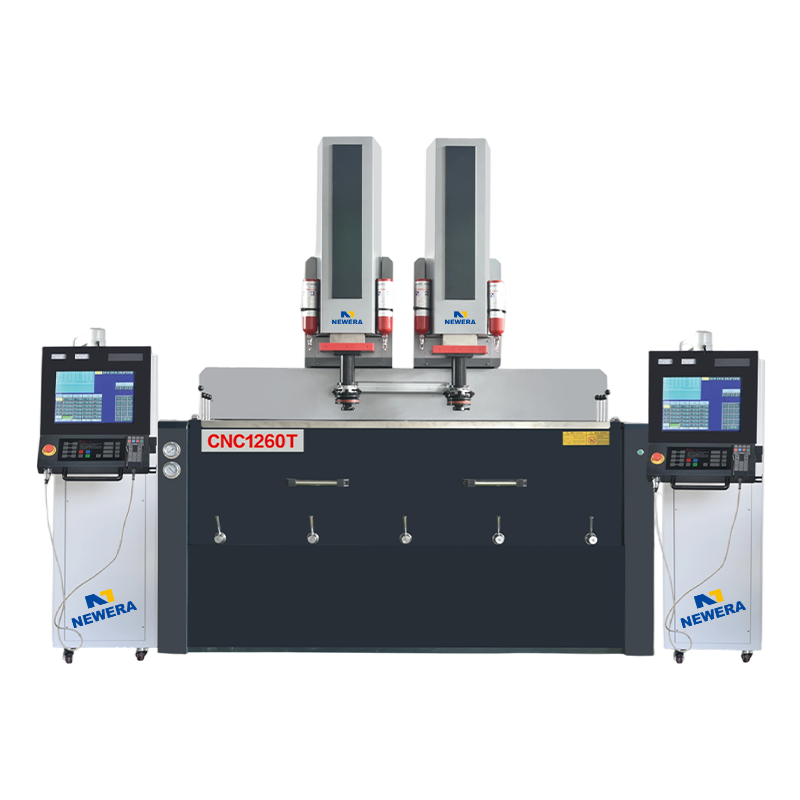
Specification
| Parameter | Specification |
| Machine Type | Sinker (ram) EDM |
| Worktable Size | 450 x 280 mm to 1100 x 650 mm |
| X / Y / Z Travel | 300 x 200 x 250 mm to 900 x 550 x 450 mm |
| Max Workpiece Weight | 500 kg to 2200 kg |
| Max Electrode Weight | 50 kg to 220 kg |
| Max Machining Current | 40 A to 80 A |
| Z-axis Drive | AC servo with jump function |
| Flushing Methods | Pressure, suction, side flushing |
| Best Surface Finish | Down to about Ra 0.2 um |
| Orbit Modes | Circular, square, and custom programmable |
| Tank Capacity | 250 L to 900 L |
| Protection | Oil level, temperature, and arc protection |
| Control | CNC controller with process library |
| Power Supply | 380 V, 3 phase, 50 Hz, others on request |
Application
Application Scenarios
| Industry | Typical Parts | Buyer Focus |
| Plastic Molds | Cavities with ribs and textures | Fine finish, low wear, repeatable electrodes |
| Metal Stamping | Punch and die contours | Sharp corners, size control |
| Aerospace Tooling | Slots, fixtures, nozzle features | Material range, stable deep burns |
| Electronic Connectors | Micro mold cavities | Small details, fine finishing, clean surface |
Target Customers
- Mold ShopsNeed predictable burns for cavities and cores
- Tool and Die MakersNeed strong roughing with accurate finishing
- SubcontractorsNeed a machine that runs mixed jobs reliably
- ResellersNeed a standard model with simple documentation
Suitable and Unsuitable Uses
- Cavities that need low electrode wear
- Hardened steel molds finished after heat treatment
- Features with deep narrow ribs
- Jobs where orbit finishing can replace polishing
- Through-hole cutting that wire EDM does better
- Large volume removal on soft metals
- Non-conductive materials
- Shops without any electrode preparation ability
Selection Guidance
- 1. Define cavity depthUse the deepest cavity to choose Z travel and the jump capability of the head.
- 2. Choose the electrodeGraphite suits fast roughing and complex shapes, while copper often gives a finer finish.
- 3. Select flushingDeep narrow cavities may need suction or pressure flushing to avoid carbon deposit.
- 4. Review safetyLook for level, temperature, and arc protection for unattended running.
Usage Notes
- Check electrode alignment with a dial gauge before starting
- Set jump height and timing to match cavity depth
- Monitor temperature of the dielectric during long runs
- Remove machining residue from the tank regularly
- Keep clamps and fixtures clean and conductive
- Log working parameters for each electrode and material
Advantages
- Fast jump control
The Z axis retracts and returns quickly to clear debris from deep cavities, which shortens burn time and lowers the risk of arcing.
- Orbit finishing
Programmable orbit steps allow one electrode to reach final size in stages, saving the cost and lead time of extra electrodes.
- Multiple flushing modes
Pressure, suction, and side flushing can be matched to the part, so carbon deposits are controlled and surface quality stays consistent.
- Protection systems
Oil level, temperature, and arc detection protect the part and the machine during unattended work, reducing fire and scrap risk.
- Straightforward operation
A graphical controller with stored process settings helps new operators start quickly, which reduces training time and trial burns.
- Tailored supply
Language, color, voltage, and accessory options can be set per order, so buyers receive a machine that fits their shop without redesign.
Frequently Asked Questions
- Q: What does a sinker EDM machine do?
- A: It burns a cavity into a conductive workpiece by eroding material with controlled sparks, using an electrode shaped as the inverse of the cavity.
- Q: Is a sinker the same as a ram or die sinking EDM machine?
- A: In practice, yes. The names describe the same ram-type machine used for cavities and cores.
- Q: How do I choose between graphite and copper electrodes?
- A: Graphite removes material quickly and is easy to shape, and copper often gives a finer surface. The best choice depends on part and finish.
- Q: What affects electrode wear?
- A: Pulse settings, polarity, electrode material, and flushing all affect wear. Our team can suggest starting parameters for your material.
- Q: Can I run the machine unattended?
- A: With proper flushing, level protection, and fire safety measures, many jobs can run with limited supervision, but local safety rules must be followed.
- Q: Do you accept OEM or ODM orders?
- A: Yes. We can adjust controller language, color, voltage, and accessories under OEM and ODM terms.
- Q: Can you provide a test burn?
- A: Yes. Share a drawing or sample and we can arrange a test burn with photos or video.
- Q: What happens after delivery?
- A: We provide manuals and remote guidance, and spare parts can be supplied when needed.
Contact us to learn more
CONTACT DETAILS
Nantong New Era Technology Co., LTD
Five-star Industrial Park, Chongchuan District, Nantong City, Jiangsu Province, China
TEL:+86-19851302688
E-Mail: [email protected]