

 русский
 عربى
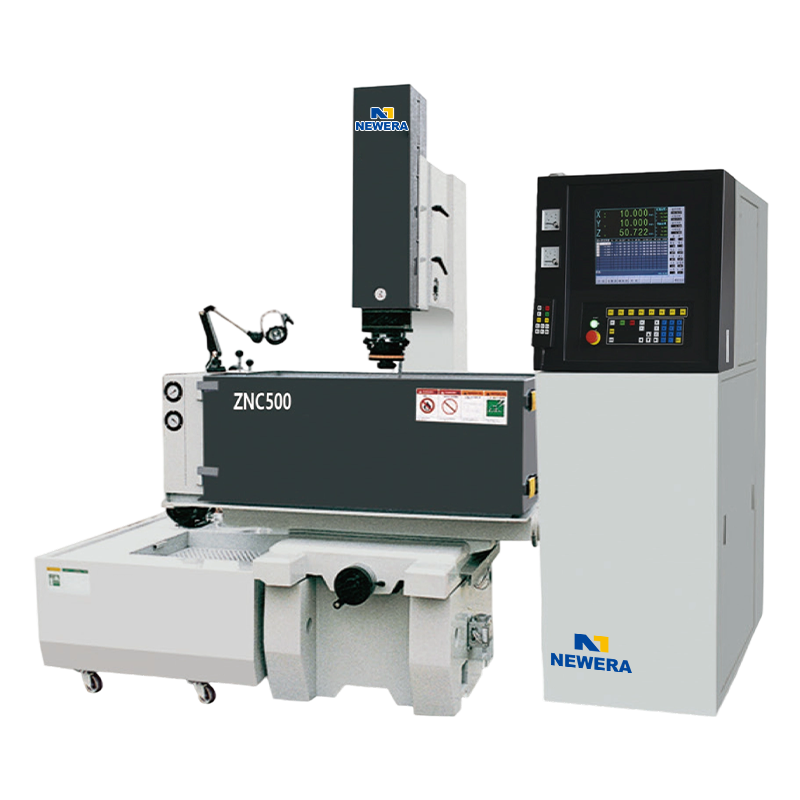
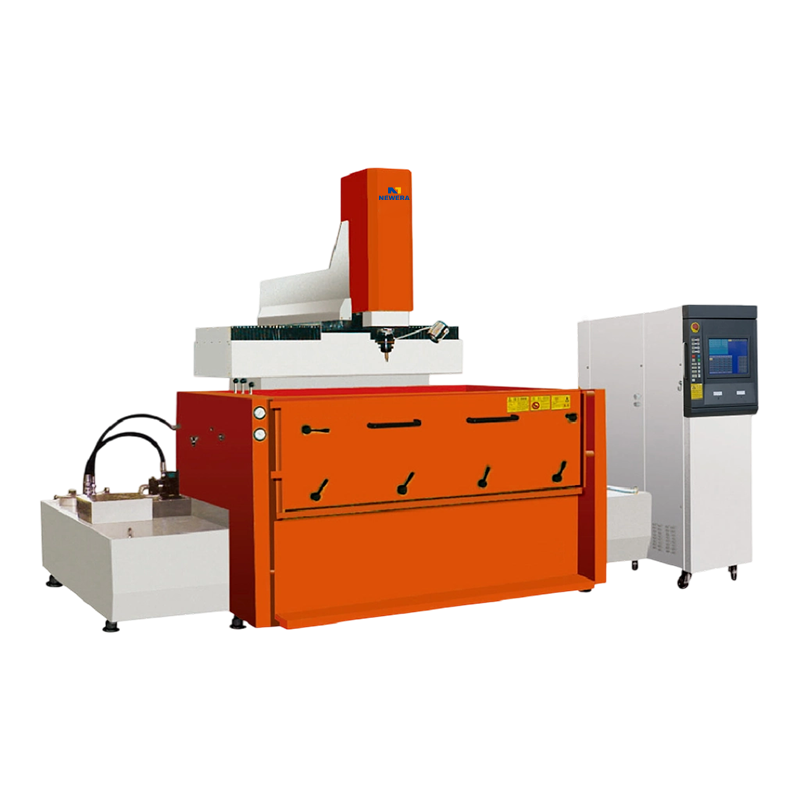
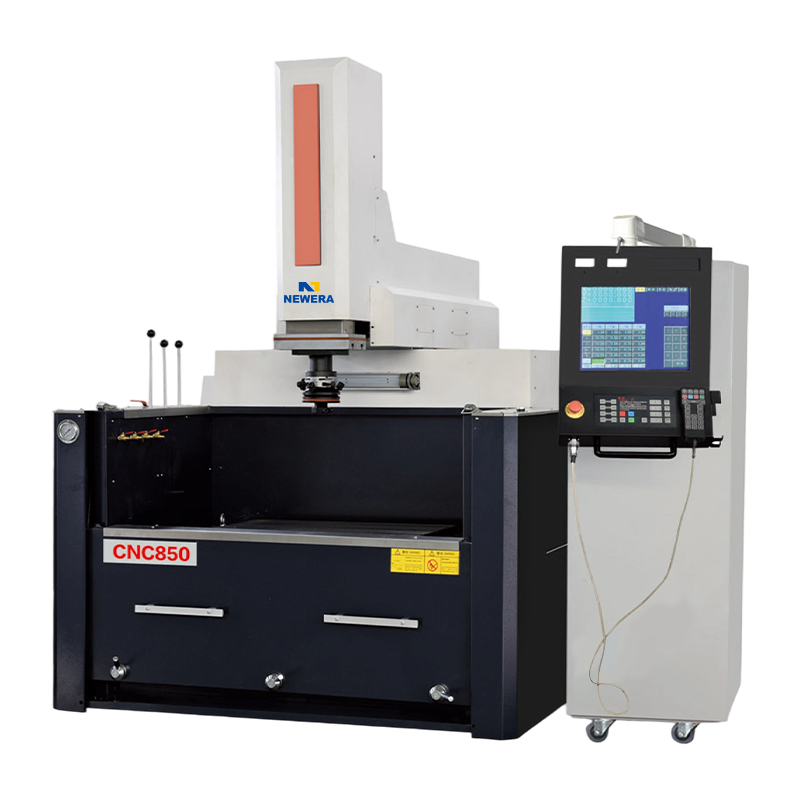
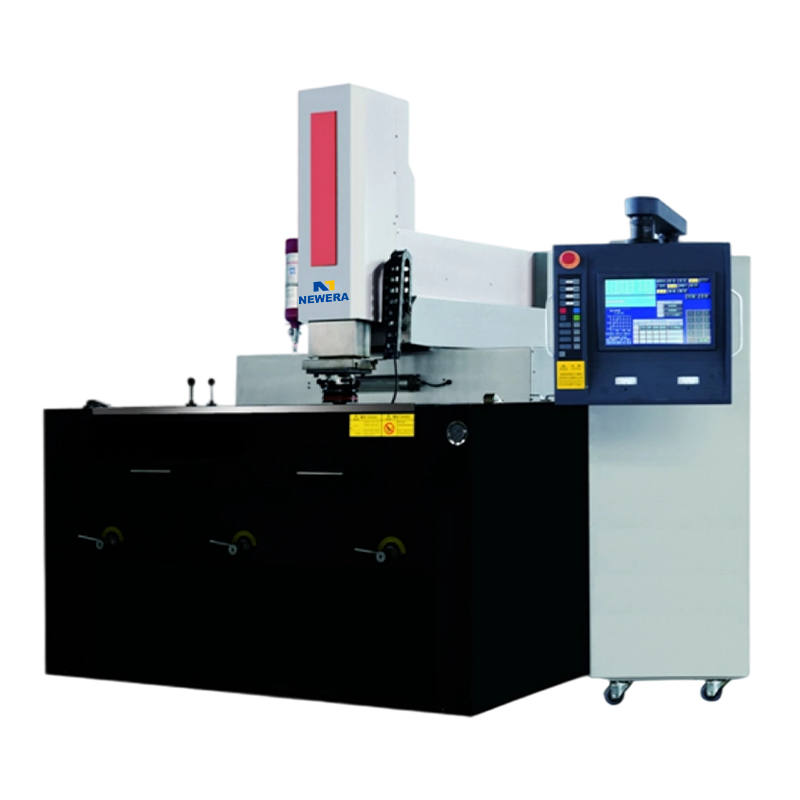
Die Sinking EDM Machine
-- Steady & Reliable Manufacturer --
Brief Product Description
A die sinking EDM machine is built to reproduce complex three-dimensional forms in hardened tool steel and carbide. A shaped electrode is lowered into the workpiece under dielectric oil, and the sparks erode an exact mirror image of the electrode. This is the working method behind many plastic molds, forging impressions, and die-casting inserts, where the final geometry would be impractical to cut with rotating tools.
Purchasers are typically mold shops, die manufacturers, and subcontract toolrooms, along with distributors in regions where mold making is growing. Their decision usually turns on four points: usable table and tank size, power of the generator, the finish quality that the fine circuits can deliver, and the cost of keeping the machine running, including oil, filters, and electrodes.
Nantong New Era Technology Co., Ltd. manufactures die sinking EDM machines as part of a broader line of numerical control equipment developed over more than 20 years. OEM and ODM service covers branding, panel language, color, voltage, and accessory sets. We can arrange sample burns for evaluation, and standard models can be ordered as single units. Contact us with your drawings and finish requirements for a matched proposal.
Surface quality is usually what separates one die sinking machine from another in real use. Fine-finish circuits, clean dielectric, and stable gap control work together to produce uniform texture and reduce hand polishing. We are glad to discuss your target finish, show test pieces, and recommend a generator and filtration setup that suits your mold or die type, so the machine delivers consistent results from the first week of operation.
- Best Suited ForHardened steel cavities and complex forms
- Surface QualityFine circuits for smooth, uniform texture
- Key ParametersTable, tank, current, finish range
- Running CostOil, filters, electrodes, power
- CustomizationBranding, language, voltage, accessories
- Order TermsSample burn, single unit, export crate
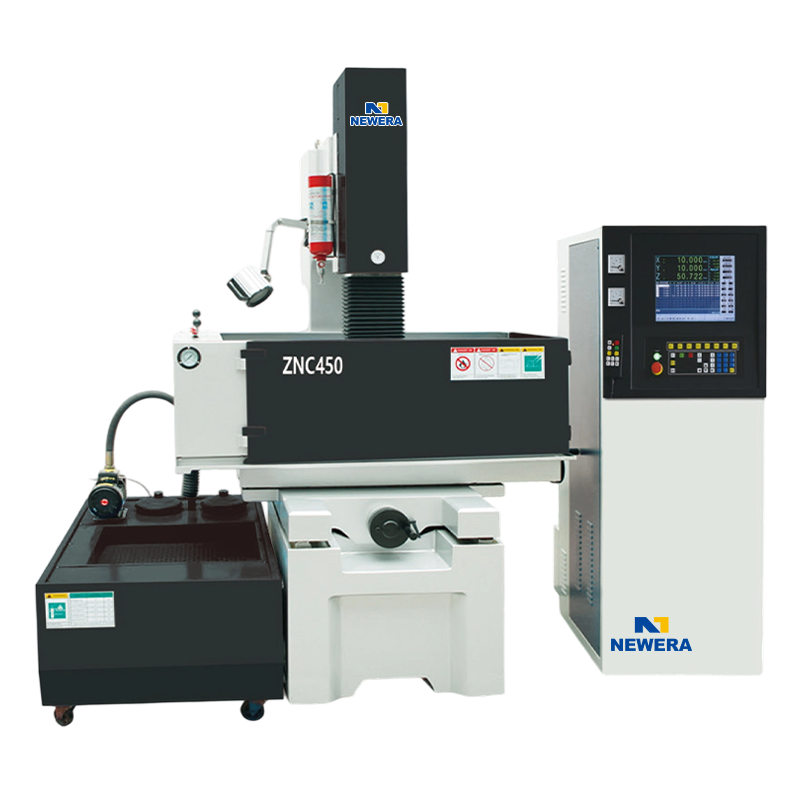
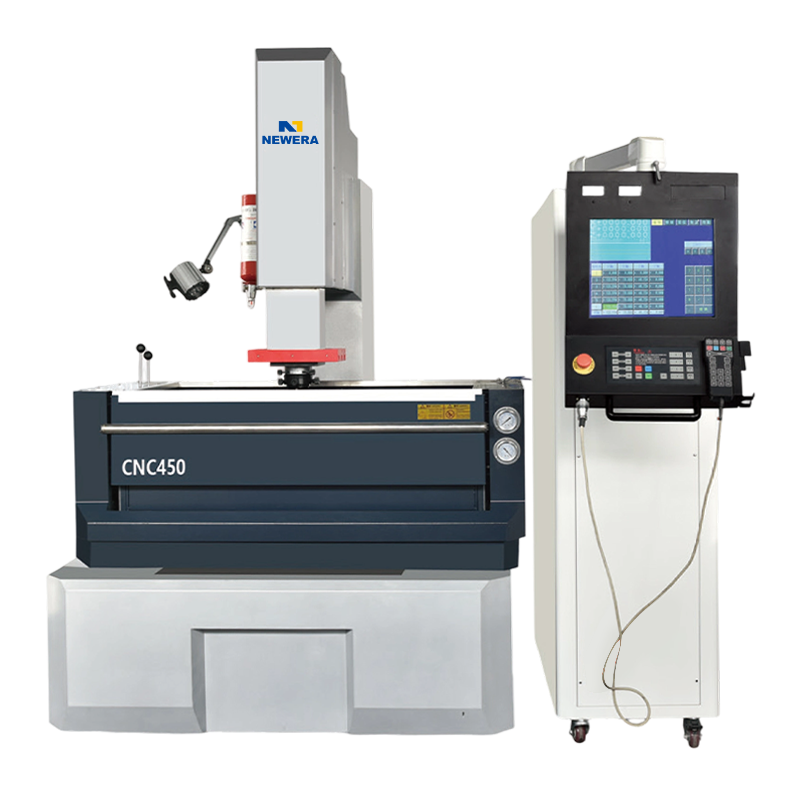
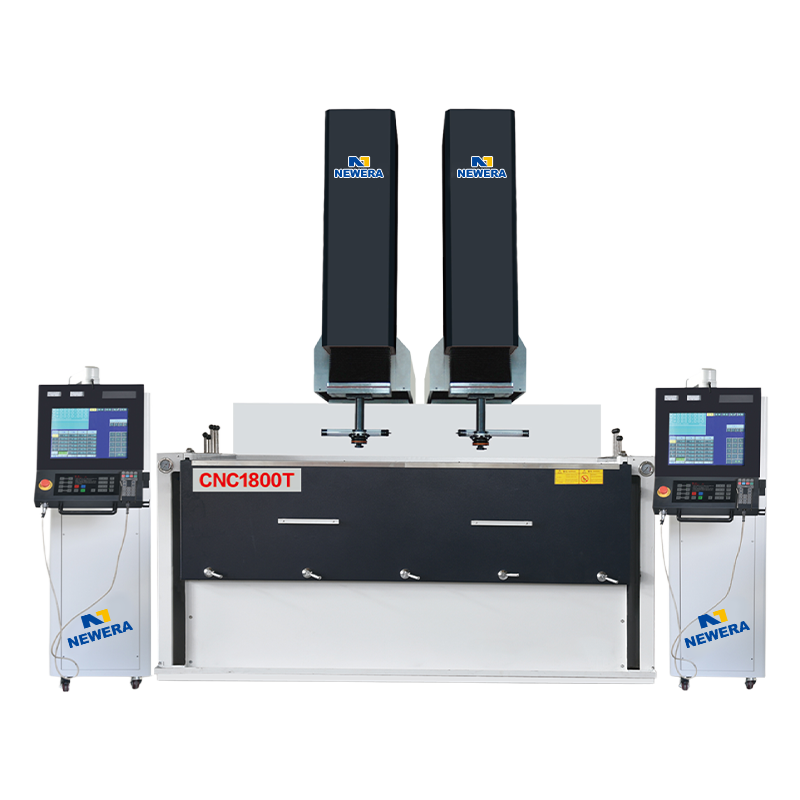
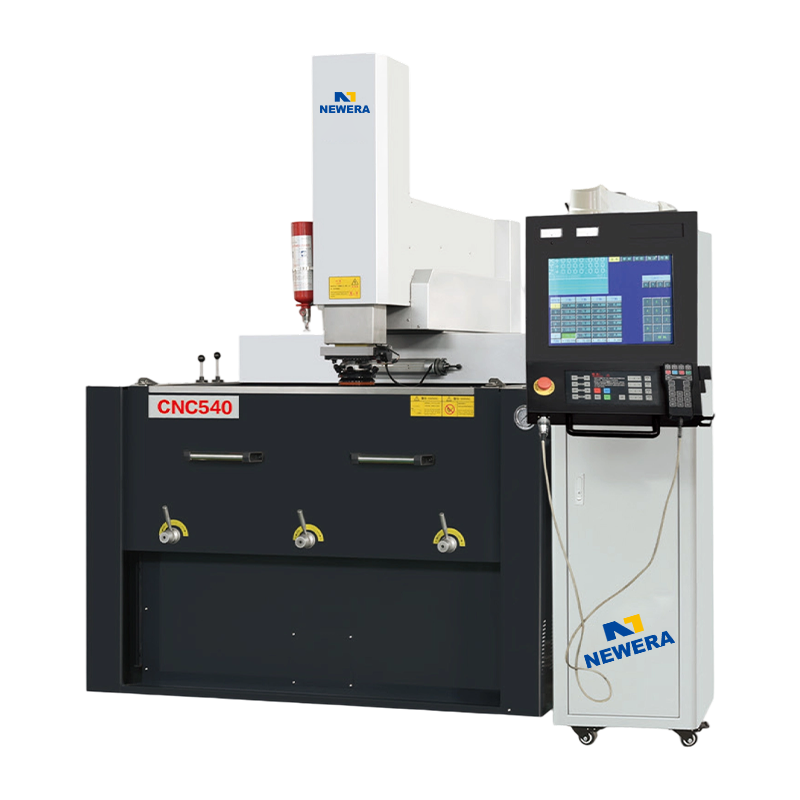
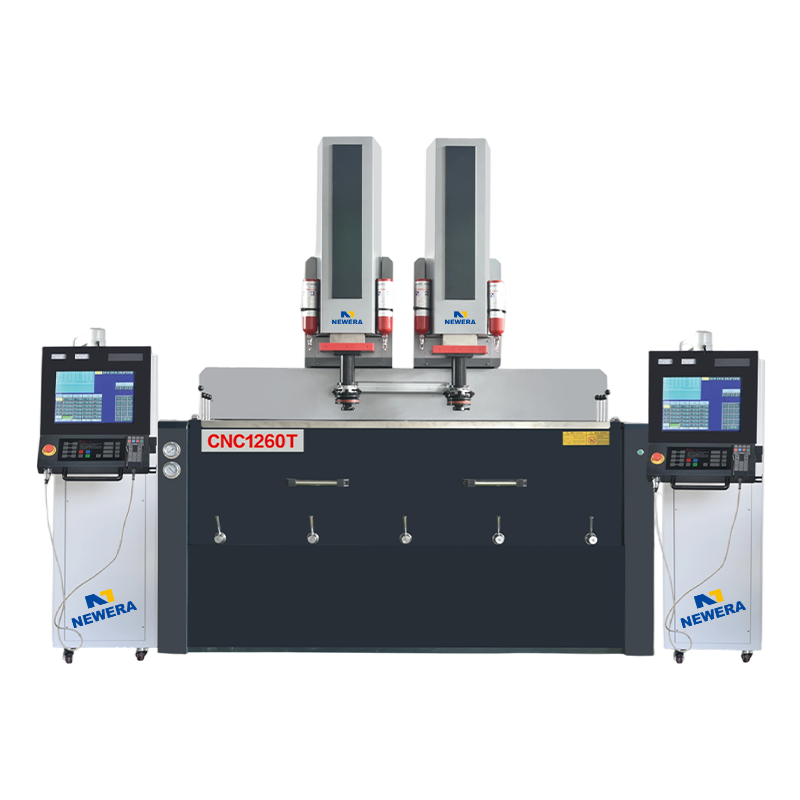
Specification
| Parameter | Specification |
| Machine Type | Die sinking EDM |
| Worktable Size | 500 x 320 mm to 1300 x 800 mm |
| X / Y Travel | 350 x 250 mm to 1100 x 700 mm |
| Z Stroke | 250 mm to 500 mm |
| Max Workpiece Weight | 600 kg to 3000 kg |
| Max Electrode Weight | 60 kg to 300 kg |
| Max Machining Current | 45 A to 120 A |
| Roughing Removal | Up to about 500 mm3/min, by model and material |
| Fine Finish | Down to about Ra 0.1 to 0.2 um |
| Electrode Wear | Low-wear roughing circuit available |
| Dielectric Tank | 300 L to 1000 L |
| Filtration | Paper cartridge, multi-stage on larger models |
| Control | CNC with process library and orbit control |
| Power Supply | 380 V, 3 phase, 50 Hz, adjustable by market |
Application
Application Scenarios
| Industry | Typical Parts | Buyer Focus |
| Injection Molds | Appliance housings, automotive trim cavities | Texture, finish, long-run stability |
| Forging | Closed-die impressions, preform dies | Heavy workpieces, roughing power |
| Die Casting | Inserts, cores, slider details | Hardness, accuracy, thermal stability |
| Rubber and Tire Molds | Pattern details, vent features | Fine detail, uniform finish |
Target Customers
- Mold FactoriesNeed steady results across many cavity jobs
- Die ManufacturersNeed large table and strong roughing
- Toolroom ContractorsNeed fast quoting and flexible setup
- Regional DealersNeed standard models with solid service support
Suitable and Unsuitable Uses
- Cavities requiring a consistent texture
- Heavy die blocks with large footprints
- High-hardness steel finished after heat treatment
- Molds where polish time must be reduced
- Fast bulk removal in soft metals
- Simple through holes
- Jobs where electrodes cannot be prepared
- Non-conductive materials
Selection Guidance
- 1. Pick by die sizeList your biggest block and select a table, tank, and weight rating with margin.
- 2. Check finish needsIf the end product is highly polished, ask for fine-finish test pieces.
- 3. Estimate running costInclude oil, filters, and electrodes in your yearly budget.
- 4. Request referencesAsk about installed machines and typical service response.
Usage Notes
- Keep the oil clean to protect finish and reduce arcing
- Preheat for a stable temperature before final burns
- Use fresh electrodes for the finishing pass when possible
- Follow the recommended polarity for each electrode type
- Inspect the machine level periodically
- Keep fire protection equipment close and ready
Advantages
- Low-energy finishing
A fine-finish generator circuit reduces the recast layer and gives a uniform texture, which lowers hand polishing time and improves mold surface consistency.
- Strong roughing
High current capability removes the bulk of material quickly on large blocks, shortening the total cycle on forging and casting dies.
- Large capacity
Generous table size and weight rating let you fix big mold blocks without special tooling, reducing handling risk and setup time.
- Controlled wear
Roughing settings that limit electrode wear keep dimensions closer to target, which means fewer electrodes per cavity and lower consumable cost.
- Rigid structure
Cast parts and precision guideways resist vibration during long burns, supporting accuracy on deep and detailed cavities.
- Support documentation
Manuals, wiring diagrams, and spare parts lists are included, so maintenance can be planned in advance and downtime stays short.
Frequently Asked Questions
- Q: What size die can this machine handle?
- A: It depends on the model. Table sizes range from compact to large formats, and weight ratings reach several tons. Please send the die dimensions.
- Q: Can the machine reach a polished finish?
- A: Fine-finish circuits can reach very smooth surfaces, and the final result depends on electrode quality and material. We can show test pieces.
- Q: How long do electrodes last?
- A: Electrode life depends on material, parameters, and cavity shape. Low-wear settings help, and we can suggest a starting strategy.
- Q: What running costs should I plan for?
- A: Typical items include dielectric oil, filters, electrodes, electricity, and routine spare parts.
- Q: Do you provide customization?
- A: Yes, including branding, panel language, voltage, color, and accessory sets under OEM and ODM terms.
- Q: Is a single-unit order possible?
- A: Yes, standard models can be ordered in single units.
- Q: Can you show a sample before shipping?
- A: Yes. A test burn with photos or video can be arranged on request.
- Q: What documents are included?
- A: User manual, wiring diagram, packing list, and inspection record are included.
Contact us to learn more
CONTACT DETAILS
Nantong New Era Technology Co., LTD
Five-star Industrial Park, Chongchuan District, Nantong City, Jiangsu Province, China
TEL:+86-19851302688
E-Mail: [email protected]