

 русский
 عربى
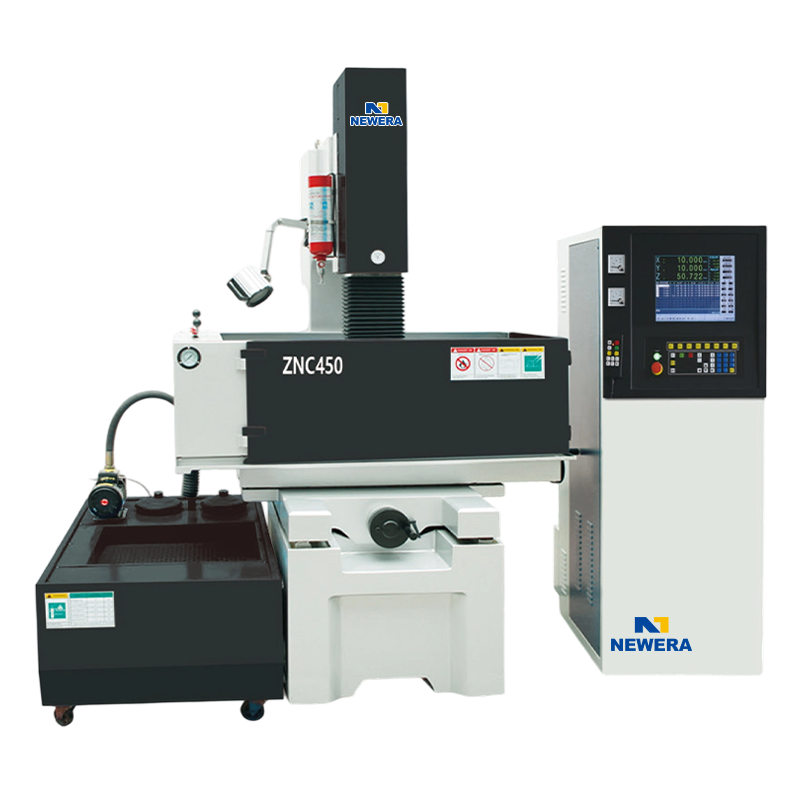
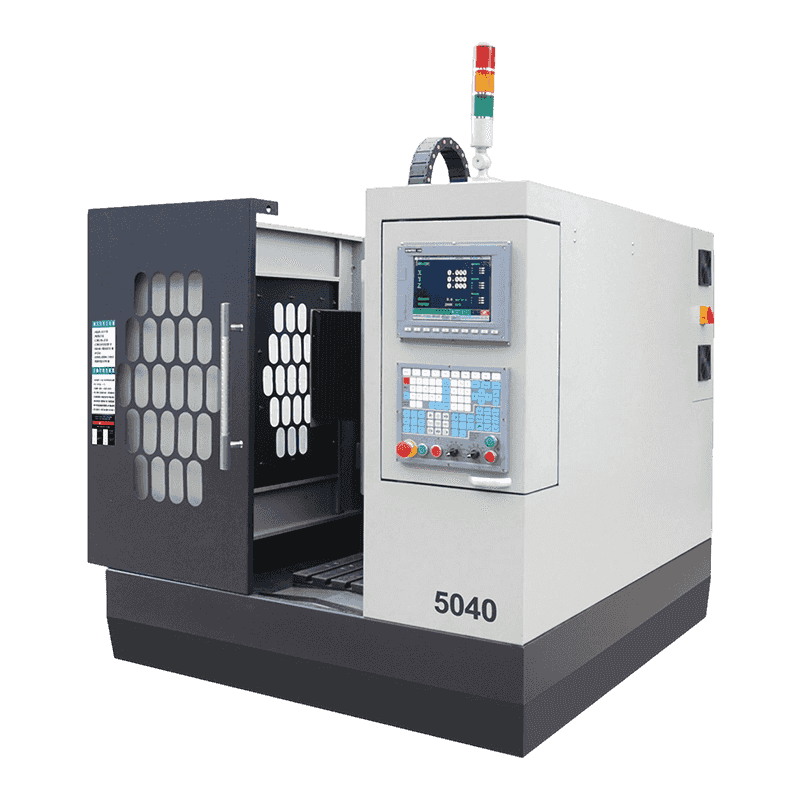
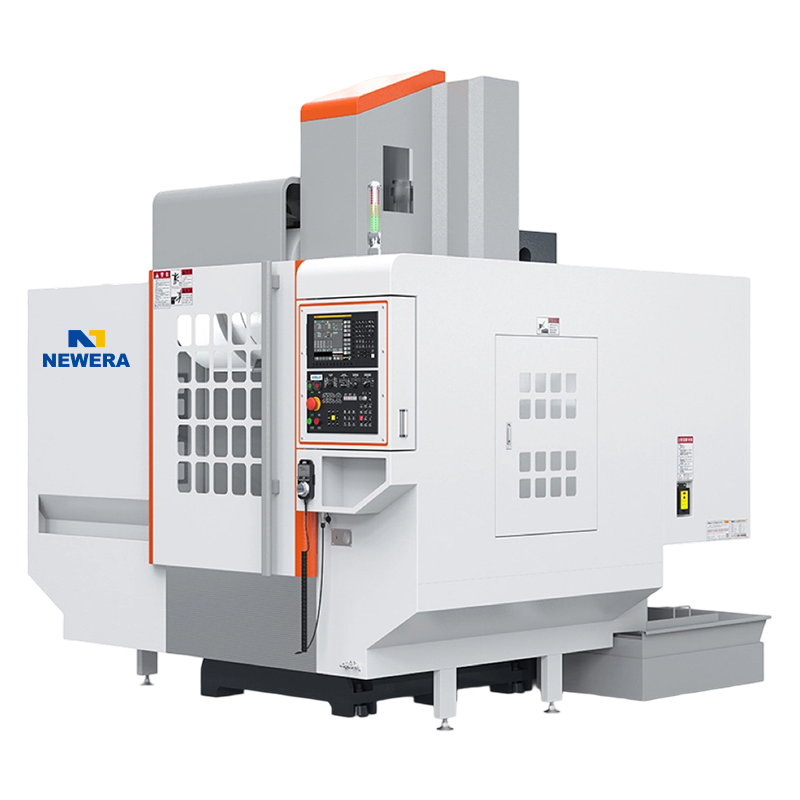
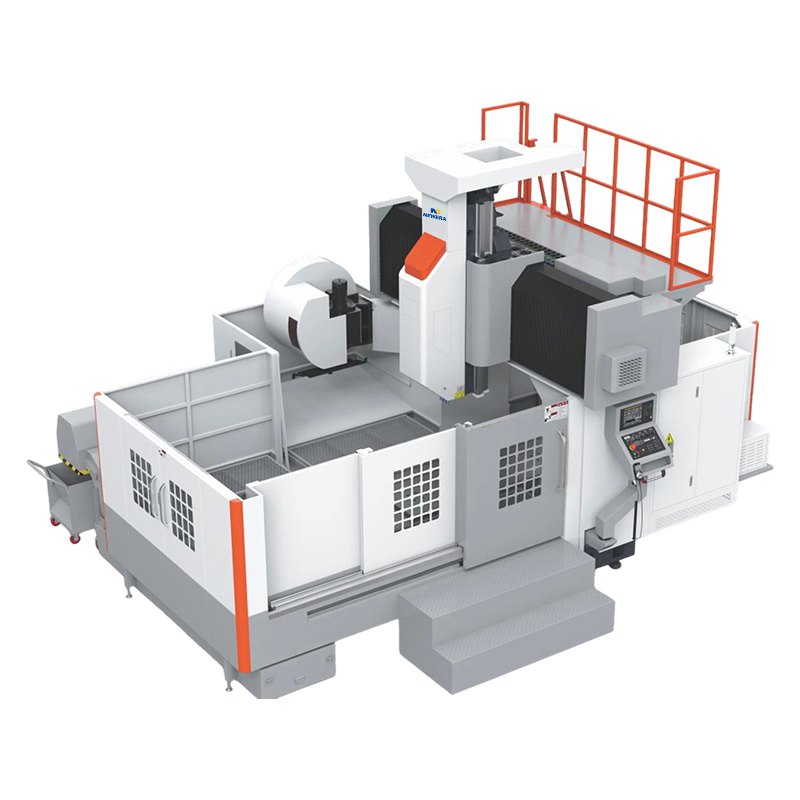
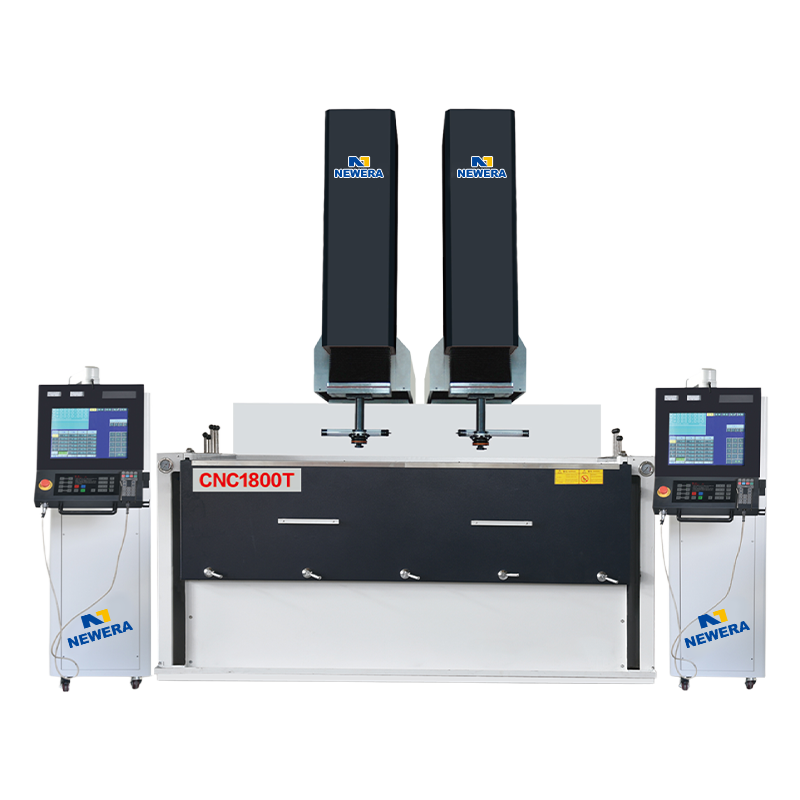
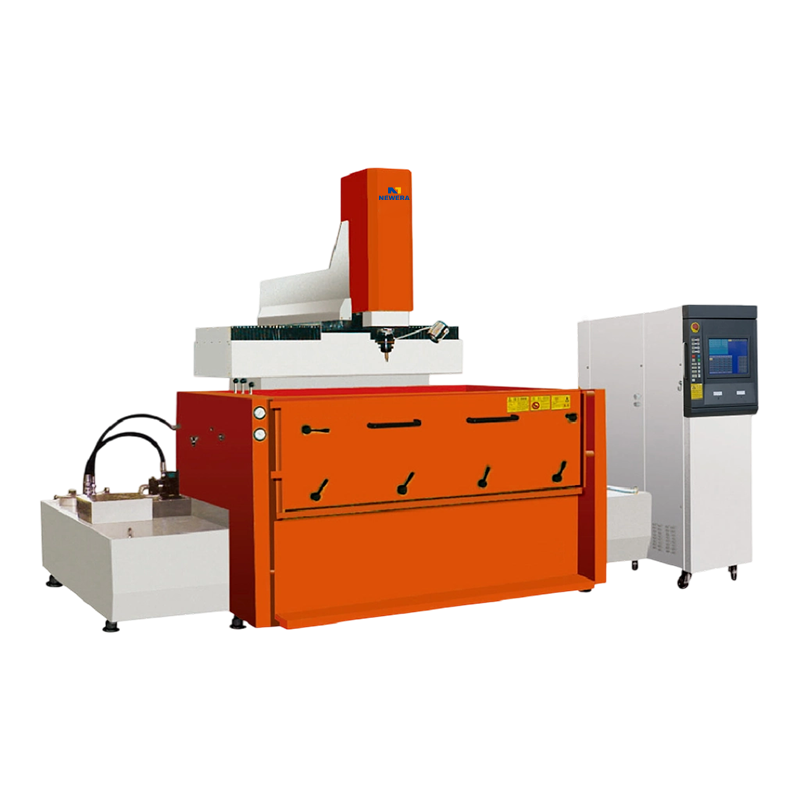
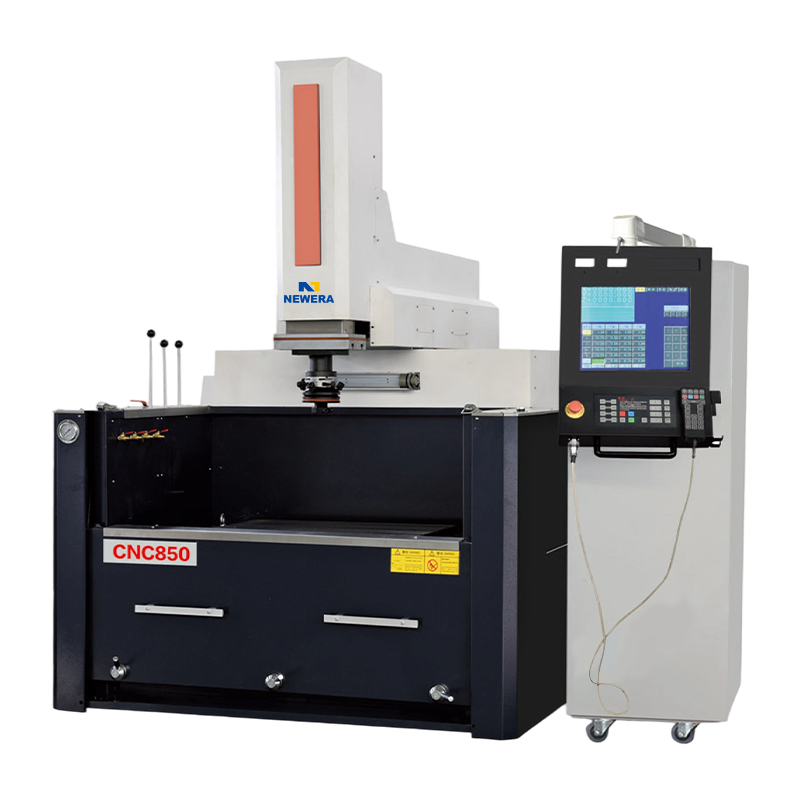
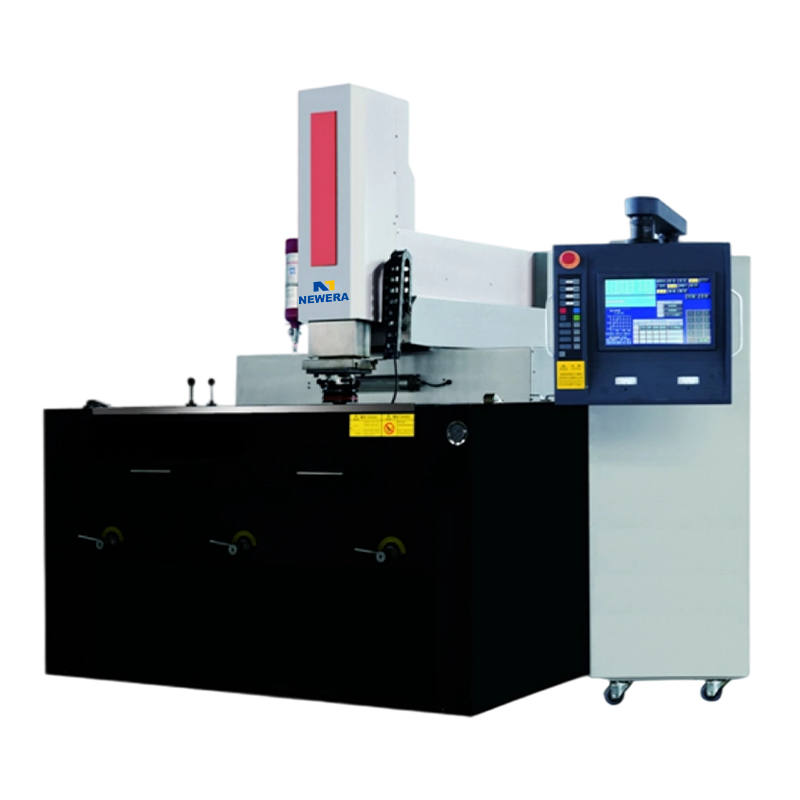
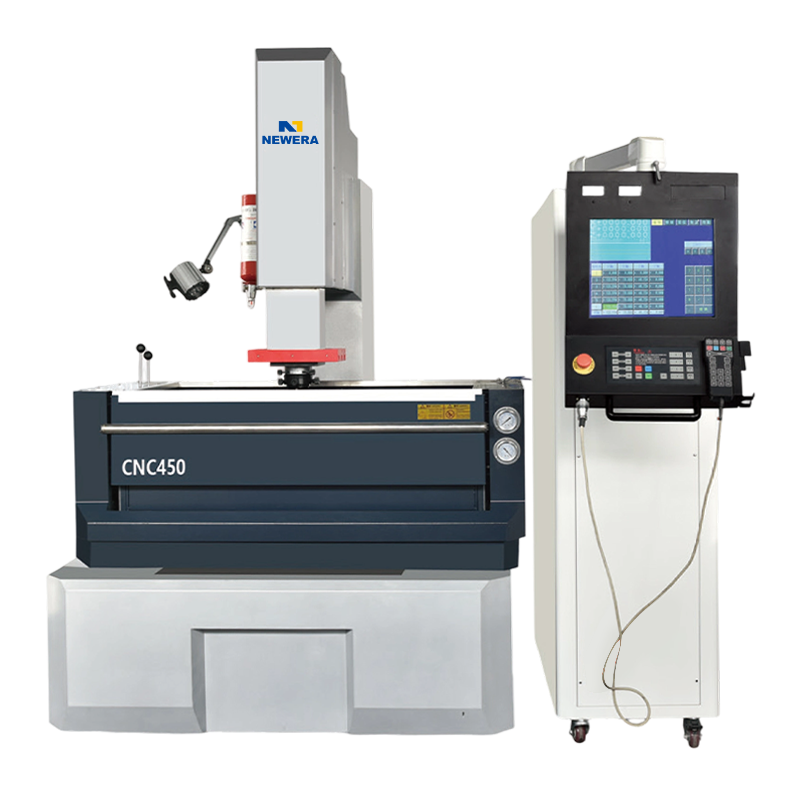
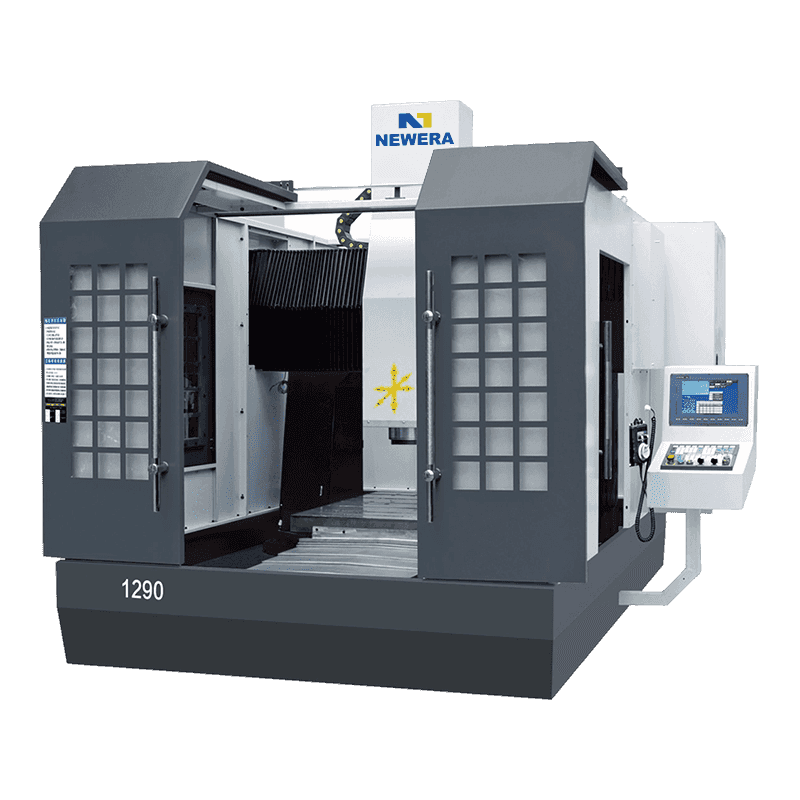
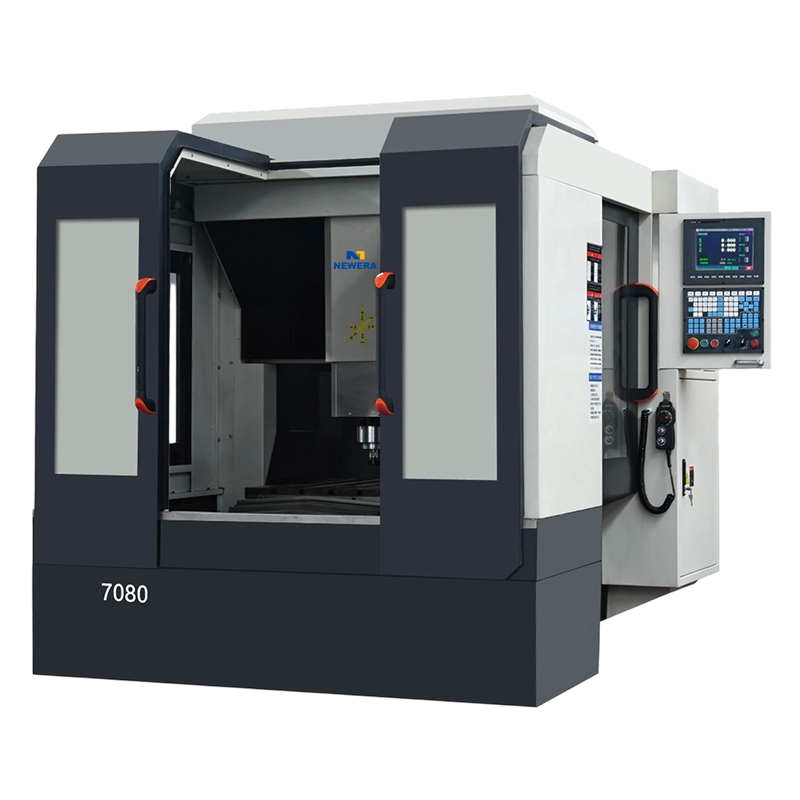
CNC Grinding Machine
-- Steady & Reliable Manufacturer --
Brief Product Description
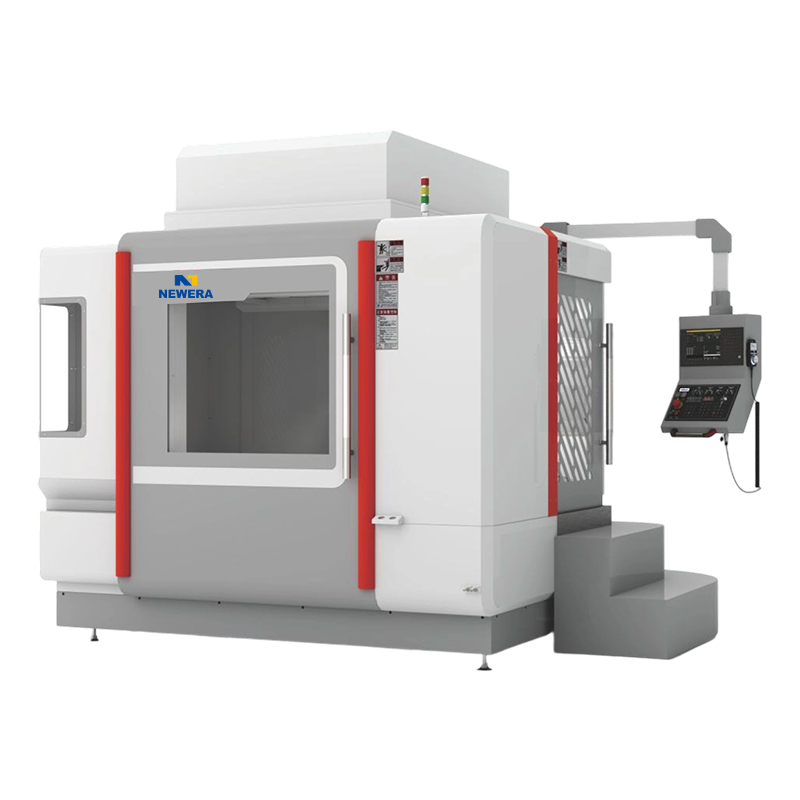
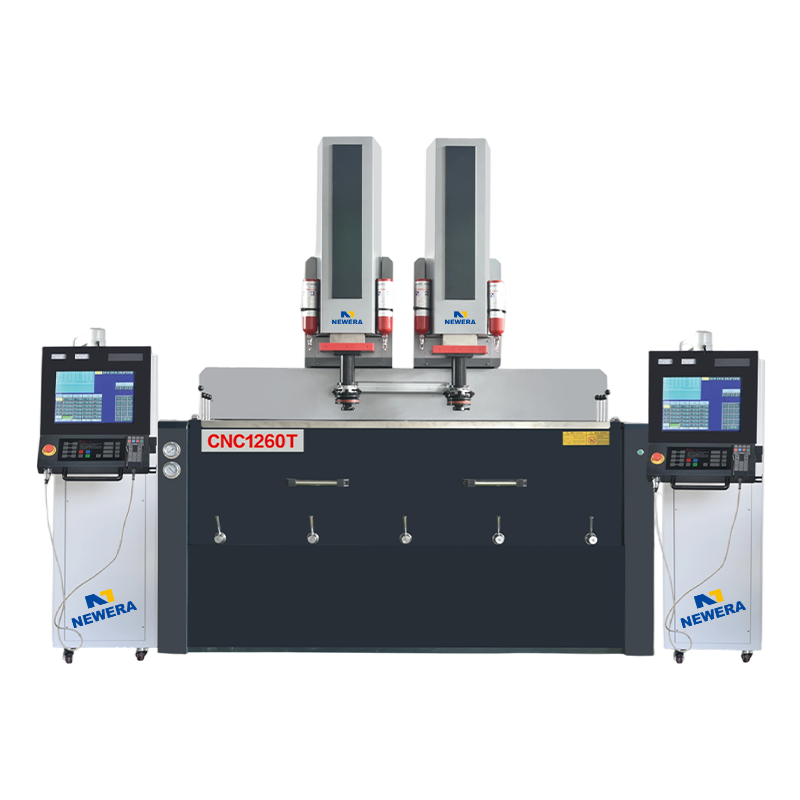
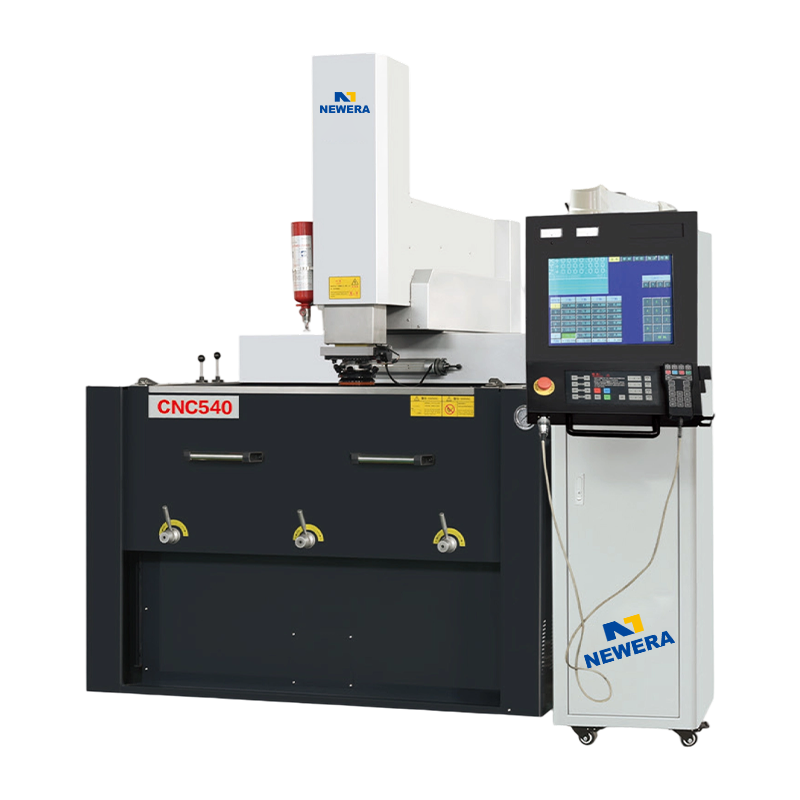
A CNC grinding machine uses numerical control to guide an abrasive wheel along programmed paths, giving precise, repeatable results on hardened parts. Compared with manual grinding, it automates dressing, feed, and sparking-out cycles, which improves consistency and reduces dependence on operator skill. CNC grinders are available for flat, cylindrical, and profile work.
Typical buyers are mold and die factories, precision tooling makers, automotive and bearing component suppliers, and subcontract grinding shops. They look at grinding size capacity, wheel dimensions, spindle power, feed resolution, controller capability, dressing system, and the repeatability of the finished size.
Nantong New Era Technology Co., Ltd. has built numerical control machines and CNC machine tools for more than 20 years, so control integration is a core strength. We support OEM and ODM options such as controller language, branding, and accessories, and we can discuss sample grinding. Standard models are available for single-unit trial orders.
To recommend the right machine, please share the part type, material, hardness, required tolerance, and surface finish, as well as batch size. We will advise on machine type, wheel and dressing setup, and coolant filtration, and confirm the configuration in a written quotation.
- ControlProgrammable CNC grinding cycles
- Typical UsersMold, tooling, automotive, subcontract shops
- Key ParametersCapacity, wheel size, feed resolution, dressing
- CyclesRough, finish, spark-out, dressing
- CustomizationController language, branding, accessories
- Order TermsSample grinding, single unit, export packing
Specification
| Parameter | Specification |
| Machine Type | CNC grinding machine |
| Controlled Axes | 2 or 3 axes, by model |
| Grinding Capacity | Up to 500 x 1500 mm for flat models, larger on request |
| Wheel Size | Typically 300 to 400 mm diameter |
| Spindle Power | 5.5 kW to 15 kW |
| Feed Resolution | 0.001 mm |
| Dressing System | Automatic with wear compensation |
| Programs | Multiple stored part programs |
| Coolant | Filtered system with tank |
| Workholding | Magnetic chuck or fixtures, by application |
| Interface | Graphical CNC screen, language selectable |
| Safety | Guarding, interlocks, emergency stop |
| Power Supply | 380 V, 3 phase, 50 Hz, others available |
| Customization | Controller language, branding, accessories |
Application
Application Scenarios
| Industry | Typical Parts | Buyer Focus |
| Mold and Die | Plates, inserts, guide components | Flatness, size repeatability |
| Tooling | Punches, dies, gauges | Profile accuracy, surface finish |
| Automotive | Precision components | Batch repeatability, cycle time |
| Subcontract Grinding | Varied customer parts | Quick changeover, stored programs |
Target Customers
- Mold FactoriesNeed consistent flat grinding of plates
- Tooling MakersNeed precise profile and finish
- Automotive SuppliersNeed repeatable batches
- Subcontract ShopsNeed flexible programs and short setup
Suitable and Unsuitable Uses
- Repeat grinding of the same parts
- Parts needing consistent size over long runs
- Mixed jobs with stored programs
- Operators with limited grinding experience
- Rare one-off simple grinding
- Parts beyond machine capacity
- Heavy stock removal in soft metals
- Shops with no programming ability
Selection Guidance
- 1. Define the part familyType of surface and size decide the machine.
- 2. Check dressingAutomatic dressing keeps size stable.
- 3. Review the controllerEasy programming shortens training.
- 4. Plan coolant and safetyFiltration and guarding protect quality and people.
Usage Notes
- Dress the wheel before each critical job
- Check wheel balance and mounting
- Verify program offsets with a test piece
- Keep coolant clean and concentration correct
- Allow thermal stabilization before final passes
- Use guards and follow safety rules
Advantages
- Automatic cycles
Roughing, finishing, and spark-out run from the program, which reduces operator influence and improves size consistency.
- Wear compensation
Automatic compensation after dressing keeps dimensions steady across long batches, reducing rejects.
- Stored programs
Saved part programs allow fast changeover between jobs, increasing productive hours in mixed-work shops.
- Fine resolution
Axis resolution of 0.001 mm supports precision work on hardened parts.
- Clear interface
A graphical screen with selectable language shortens operator training.
- Safety design
Guarding and interlocks protect operators during automatic cycles.
Frequently Asked Questions
- Q: What is the difference between CNC and manual grinding machines?
- A: CNC machines run programmed cycles with automatic feed and dressing, giving more repeatable results.
- Q: What kinds of parts can be ground?
- A: Flat plates, tooling parts, and precision components, depending on the machine type.
- Q: Can programs be stored?
- A: Yes, multiple part programs can be saved and recalled.
- Q: How is wheel wear handled?
- A: Automatic dressing with compensation keeps size stable.
- Q: What accuracy is possible?
- A: It depends on the model and setup. A test grind can confirm results.
- Q: Can the interface language be changed?
- A: Yes, under OEM and ODM terms.
- Q: Can I order a single unit?
- A: Yes, standard models can be ordered as a single unit.
- Q: What support is provided?
- A: Manuals, wiring diagrams, remote guidance, and parts supply.
Contact us to learn more
CONTACT DETAILS
Nantong New Era Technology Co., LTD
Five-star Industrial Park, Chongchuan District, Nantong City, Jiangsu Province, China
TEL:+86-19851302688
E-Mail: [email protected]