

 русский
 عربى
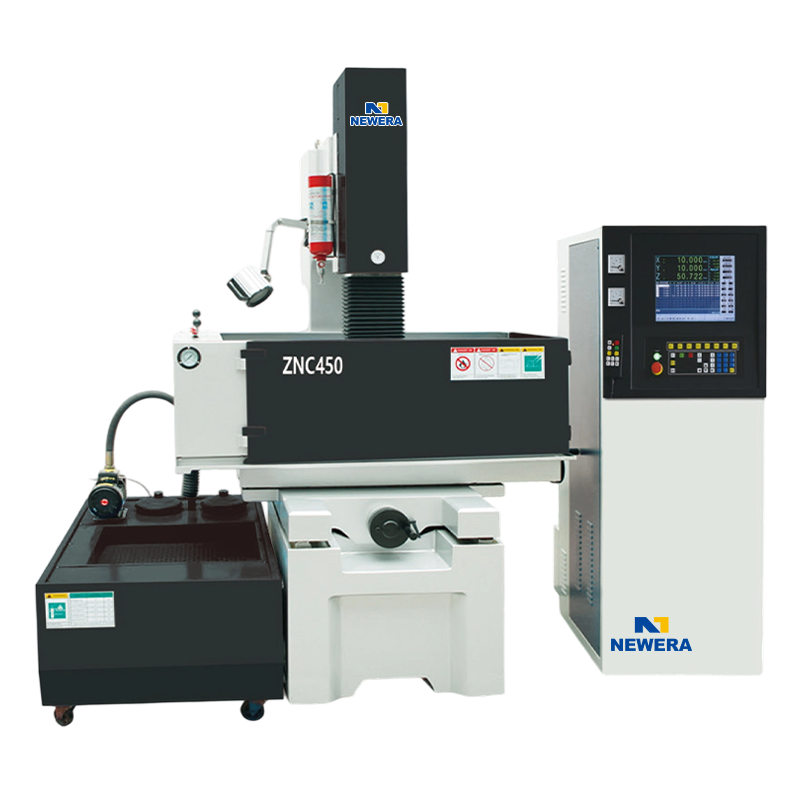
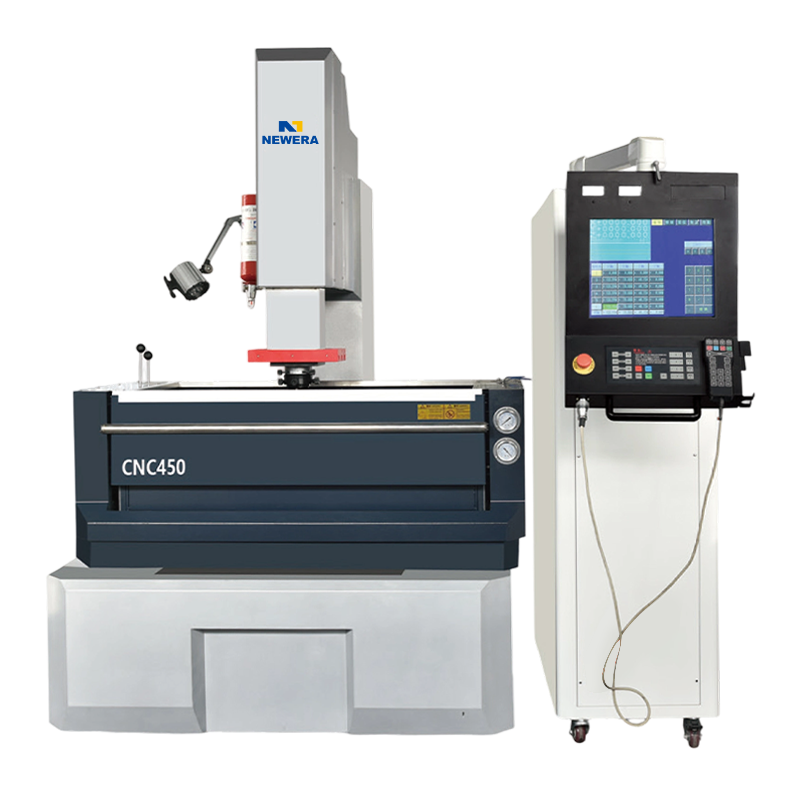
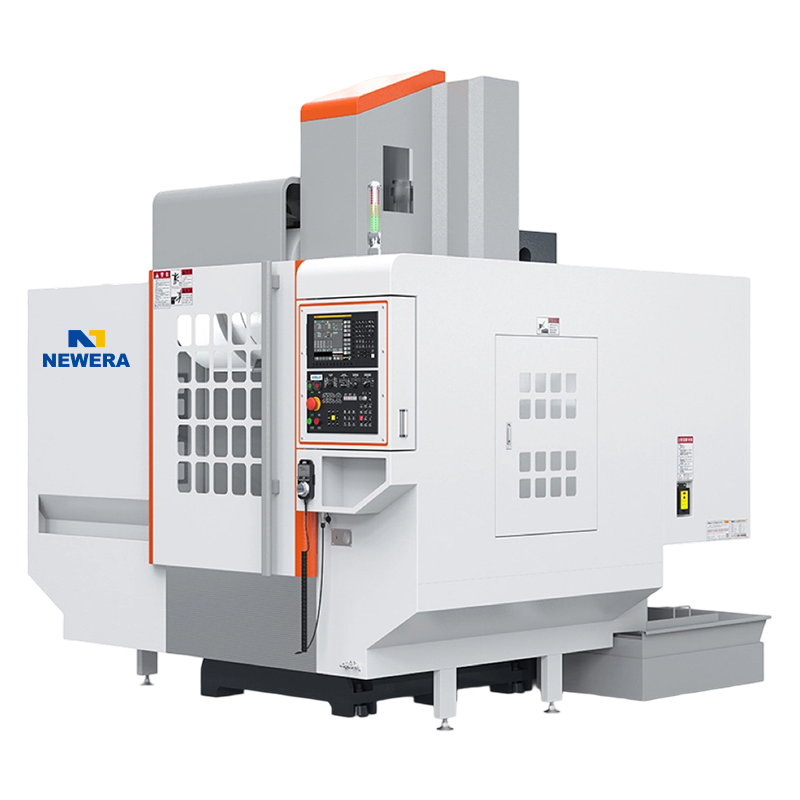
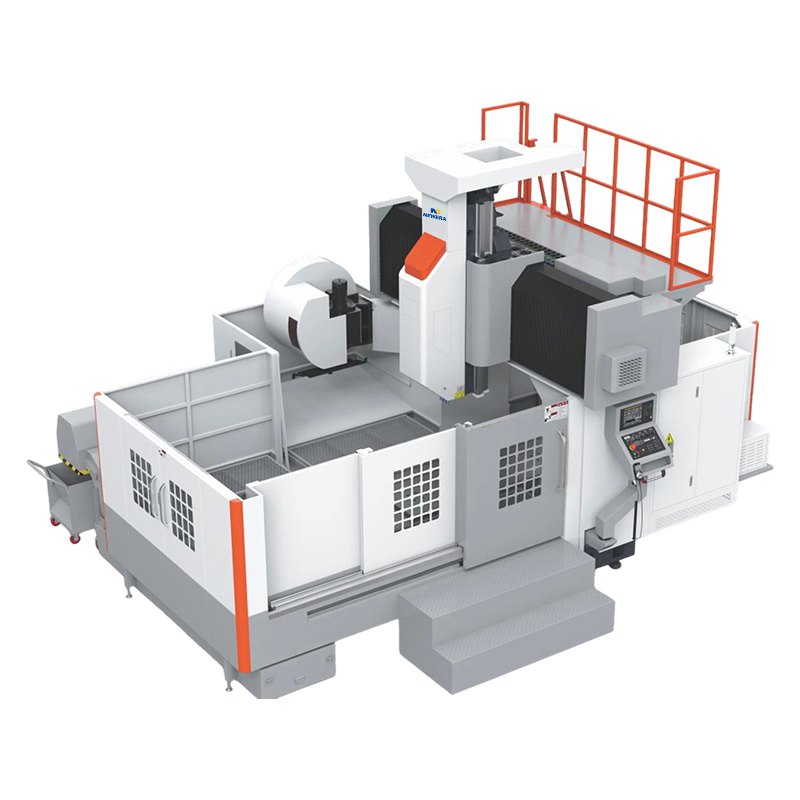
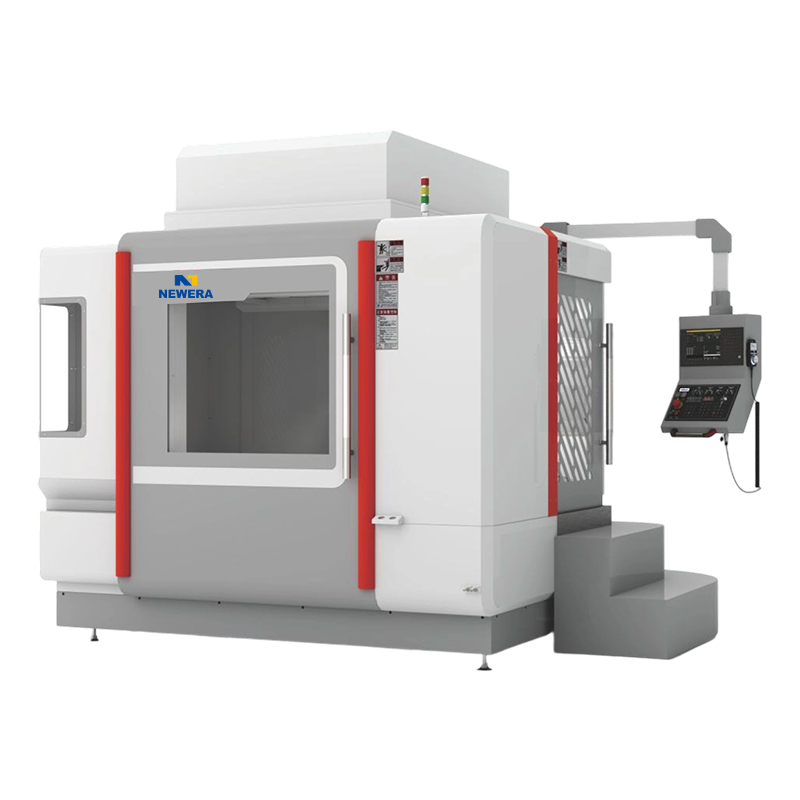
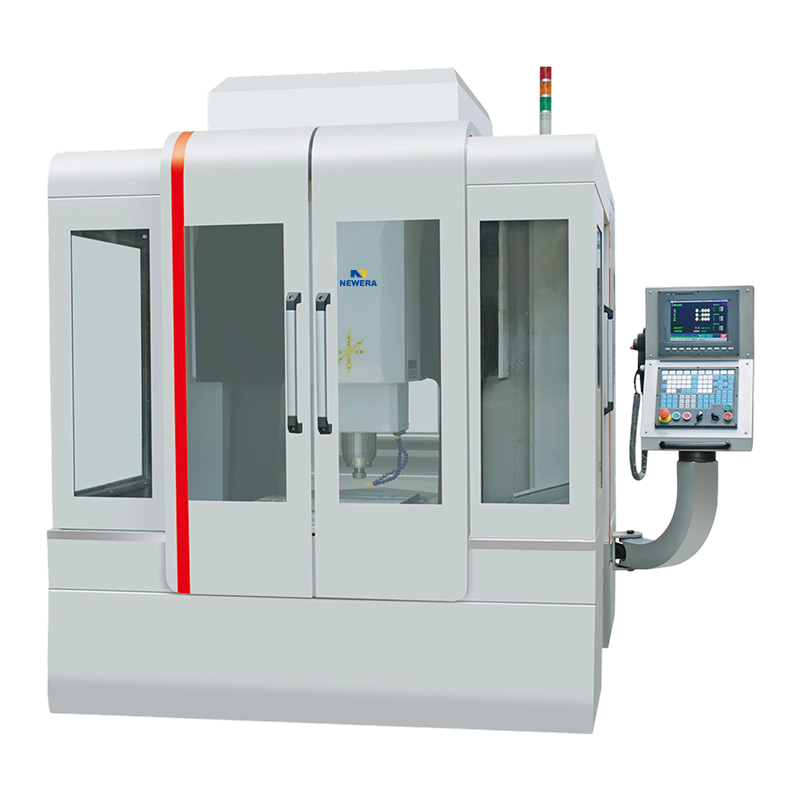
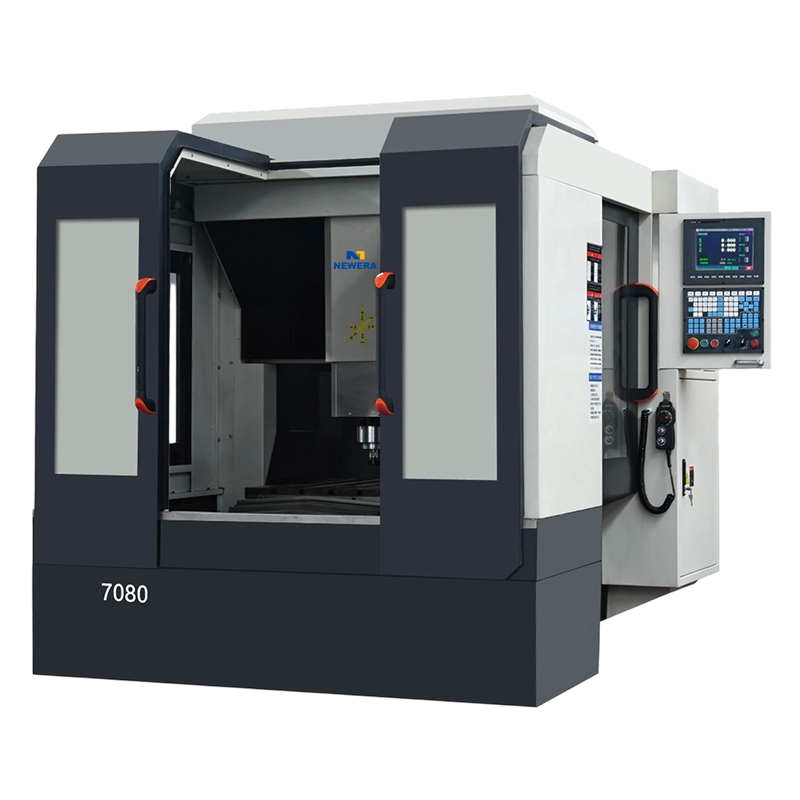
CNC Engraving Machine
-- Steady & Reliable Manufacturer --
Brief Product Description
A CNC engraving machine is a compact high-speed machine that cuts fine details with small cutters under numerical control. Strictly speaking it sits between a router and a light milling machine: spindle speed is high, cutting force is low, and the structure is designed for accuracy on small features. It is widely used for molds, metal and acrylic parts, signage, jewelry molds, and decorative work.
Typical buyers are mold shops, advertising and sign makers, craft and gift manufacturers, electronics part makers, and training centers, along with dealers who serve small workshops. They compare work area, spindle power and speed, tool changer options, machine rigidity, accuracy, control system, and dust or coolant arrangements.
Nantong New Era Technology Co., Ltd. has developed and produced numerical control machines and CNC machine tools for more than 20 years. We support OEM and ODM options including work area, spindle choice, controller language, branding, and accessories, and we can discuss sample engraving before you order. Standard models can be ordered as a single unit.
Tell us your material, smallest detail size, work area, and expected batch size. We will advise whether a light engraving machine or a stronger milling machine is more suitable, and recommend a spindle and tooling setup that gives clean results on your material.
- ProcessHigh-speed cutting of fine details
- Typical UsersMold shops, sign makers, craft and electronics makers
- Key ParametersWork area, spindle speed, rigidity, accuracy
- MaterialsAluminum, copper, brass, acrylic, wood, graphite
- CustomizationWork area, spindle, language, branding
- Order TermsSample engraving, single unit, export packing
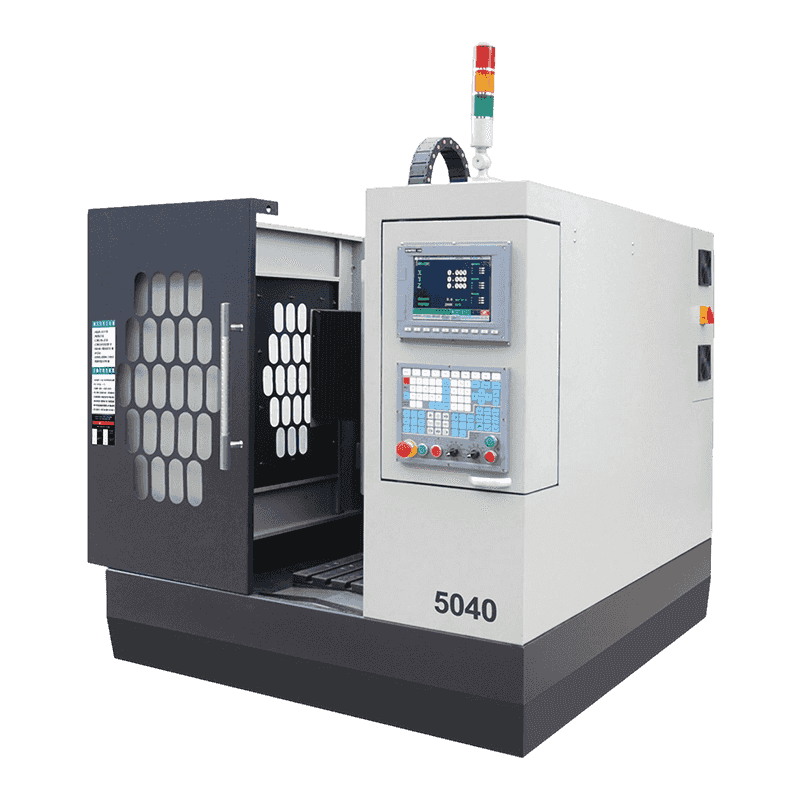
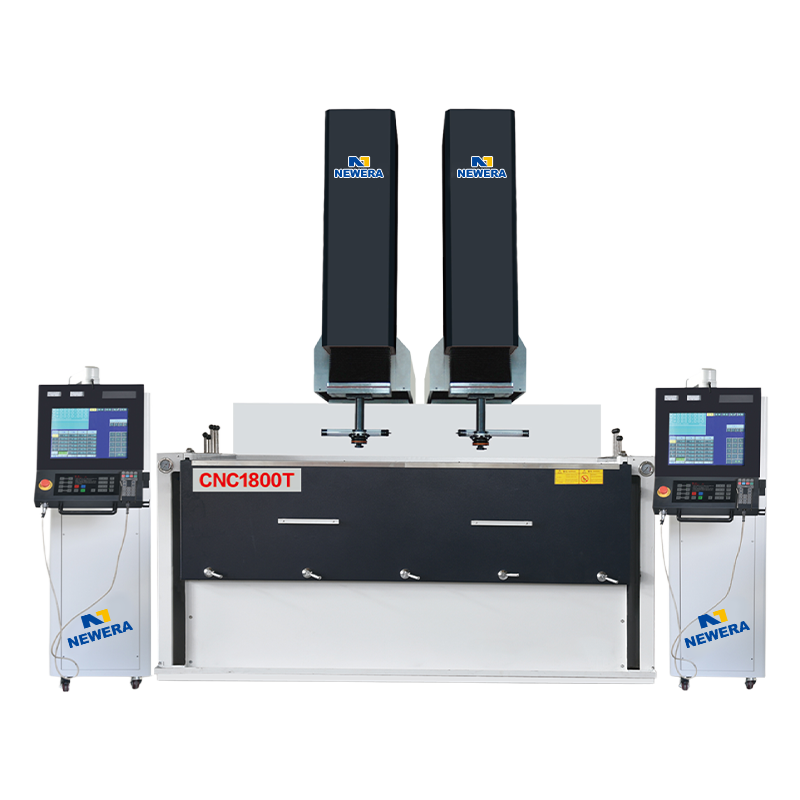
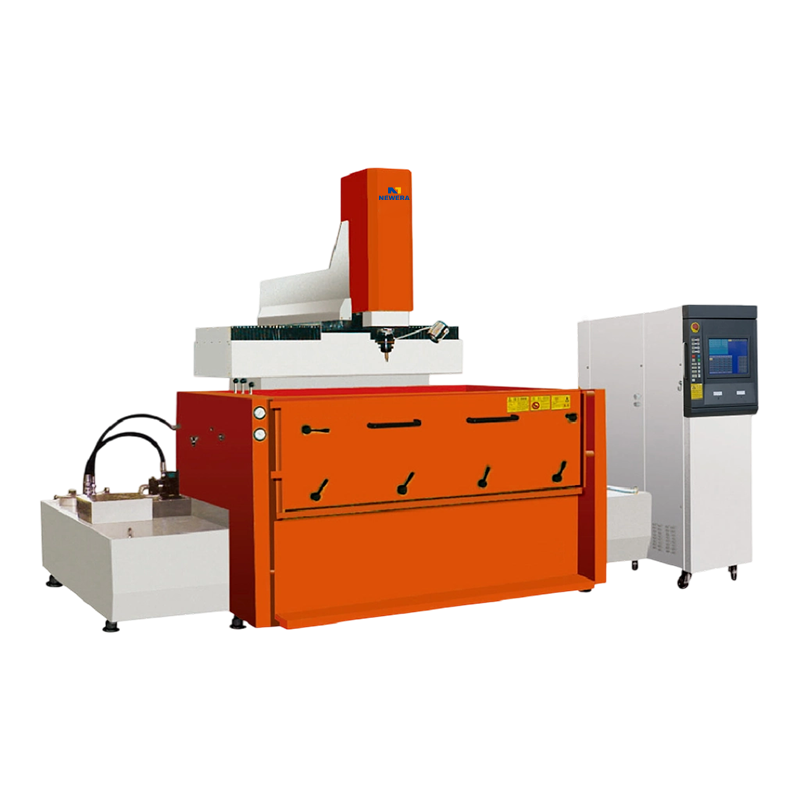
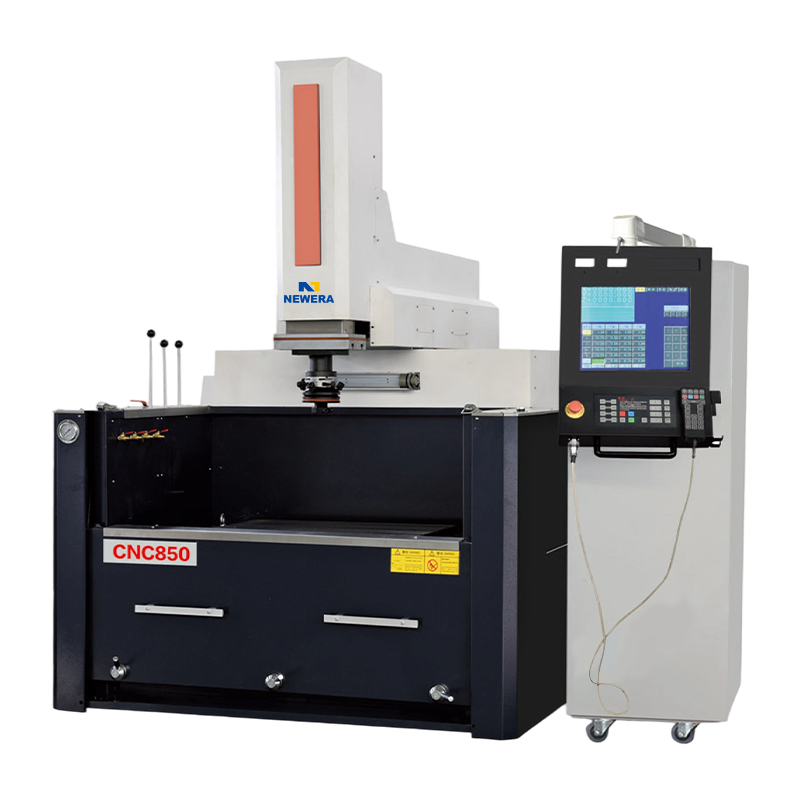
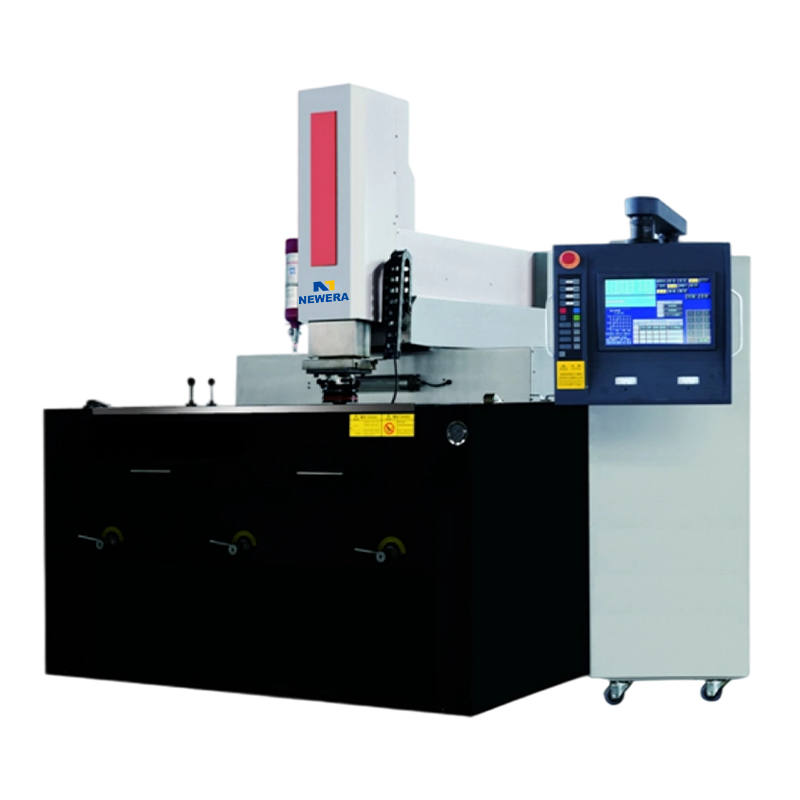
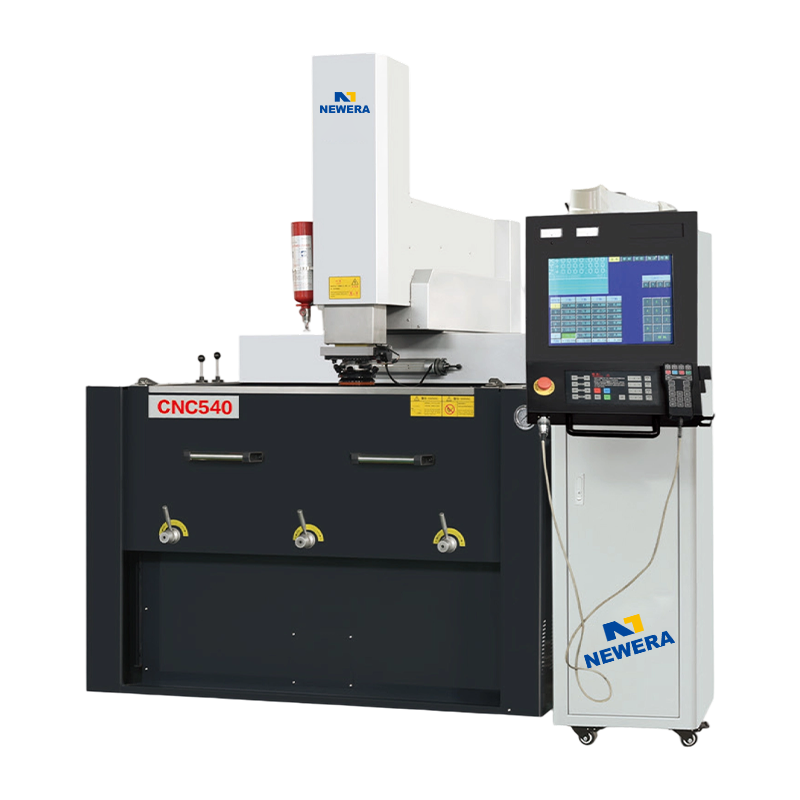
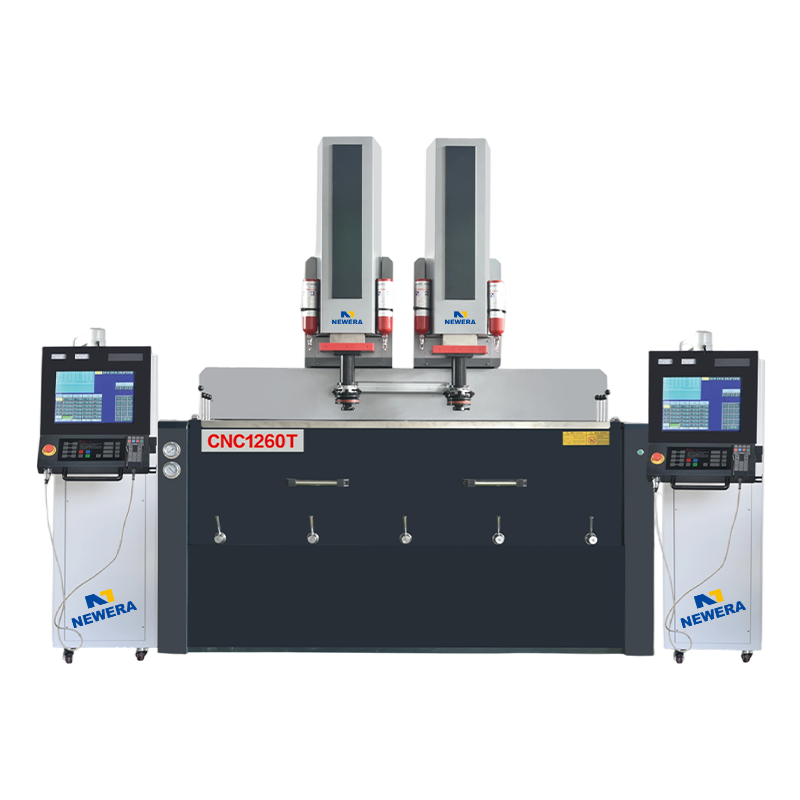
Specification
| Parameter | Specification |
| Machine Type | CNC engraving machine |
| Axis Configuration | 3 axes, 4th axis optional |
| Work Area | 300 x 400 mm to 1000 x 1300 mm |
| Z Travel | 150 mm to 300 mm |
| Spindle Speed | Up to 24000 rpm |
| Spindle Power | 2.2 kW to 7.5 kW |
| Tool Change | Manual or automatic, by model |
| Rapid Traverse | 20 to 40 m/min |
| Guideways | Linear guideways |
| Positioning Accuracy | Defined per model, confirmed in quotation |
| Dust or Coolant | Dust extraction or coolant, by application |
| Control | CNC controller |
| Power Supply | 220 V or 380 V, by model |
| Customization | Work area, spindle, language, branding |
Application
Application Scenarios
| Industry | Typical Parts | Buyer Focus |
| Mold Making | Small molds, electrodes, inserts | Detail, finish, accuracy |
| Signage | Letters, panels, logos | Speed, clean edges |
| Crafts and Gifts | Decorative parts, patterns | Fine detail, flexible materials |
| Electronics | Panels, small housings | Accuracy, repeatability |
Target Customers
- Mold ShopsNeed fine detail on small cavities
- Sign MakersNeed fast cutting of panels and letters
- Craft ManufacturersNeed flexible patterns and textures
- DealersNeed a popular small-format model
Suitable and Unsuitable Uses
- Fine lines, text, and small cavities
- Soft metals, acrylic, wood, and graphite
- Short to medium batches
- Shops that need compact equipment
- Heavy cuts in hardened steel
- Large heavy parts
- Very high torque roughing
- Jobs requiring a large work area
Selection Guidance
- 1. Check materialSoft materials suit light machines, harder ones need stiffer machines.
- 2. Match the work areaChoose by largest piece and fixture.
- 3. Select the spindleSpeed gives detail, torque gives cutting power.
- 4. Plan extractionDust or coolant needs depend on the material.
Usage Notes
- Use suitable cutters for the material
- Check collet and cutter runout
- Fix material firmly on the table
- Keep dust or chips cleared
- Warm up the spindle before fine work
- Follow the lubrication schedule
Advantages
- High-speed spindle
Speeds up to 24000 rpm let small cutters work efficiently, giving clean fine detail and smooth edges.
- Light and fast
A lighter moving structure accelerates quickly, shortening cycle time on detailed paths.
- Wide material range
Aluminum, copper, brass, acrylic, wood, and graphite can be machined with suitable tools, so one machine serves many jobs.
- Compact size
A smaller footprint suits small workshops and reduces installation cost.
- Flexible options
Work area, spindle, tool changer, and fourth axis can be selected to fit your work.
- Easy programming
Common programming software can be used, which shortens learning time.
Frequently Asked Questions
- Q: What is the difference between an engraving machine and a milling machine?
- A: An engraving machine is lighter and faster for fine detail, while a milling machine is stiffer and suited to heavier cuts.
- Q: What materials can it cut?
- A: Soft metals, acrylic, wood, graphite, and similar materials with suitable cutters.
- Q: Can it cut steel?
- A: Light cuts in soft steel may be possible. Hardened steel needs a stronger machine.
- Q: Is an automatic tool changer available?
- A: Yes, on selected models.
- Q: Can a fourth axis be added?
- A: Yes, as an option.
- Q: Do you offer sample engraving?
- A: Yes, send a drawing or sample.
- Q: Can I order a single unit?
- A: Yes, standard models can be ordered as a single unit.
- Q: What support is provided?
- A: Manuals, wiring diagrams, remote guidance, and parts supply.
Contact us to learn more
CONTACT DETAILS
Nantong New Era Technology Co., LTD
Five-star Industrial Park, Chongchuan District, Nantong City, Jiangsu Province, China
TEL:+86-19851302688
E-Mail: [email protected]